

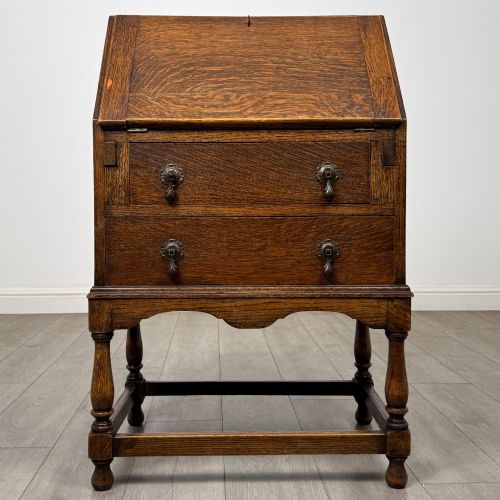
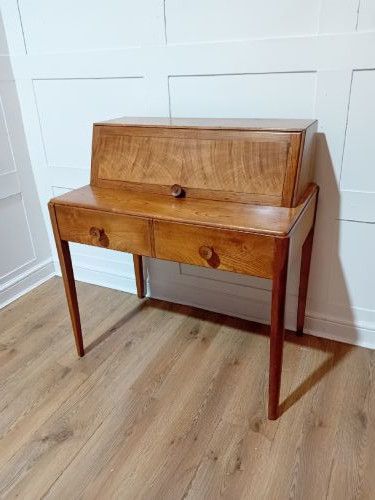
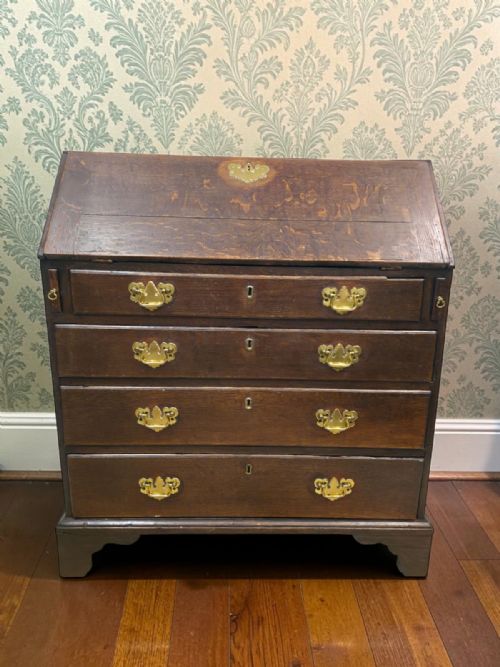
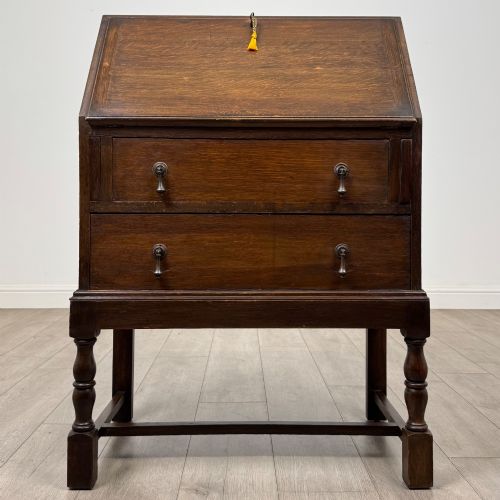
Oak Bureau Cabinet
An oak bureau cabinet combines a practical writing desk with enclosed storage, offering timber grain and fitted compartments for daily study.

Oak Bureau Cabinet
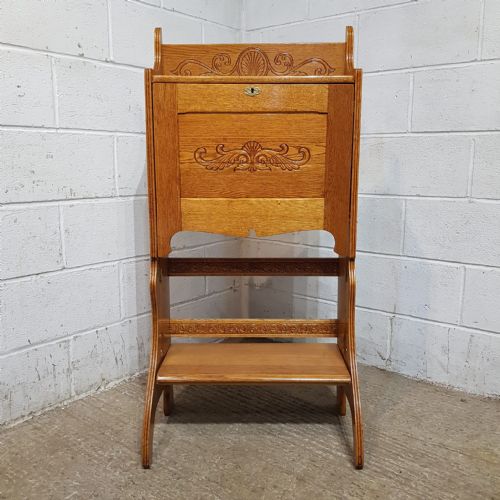
An oak bureau cabinet brings together a fall-front writing surface and upper bookcase shelving or lower storage drawers, originating in domestic and library settings.
The pieces appearing most frequently span the Georgian, Victorian, and Edwardian eras, alongside robust Arts and Crafts interpretations and 1930s examples.
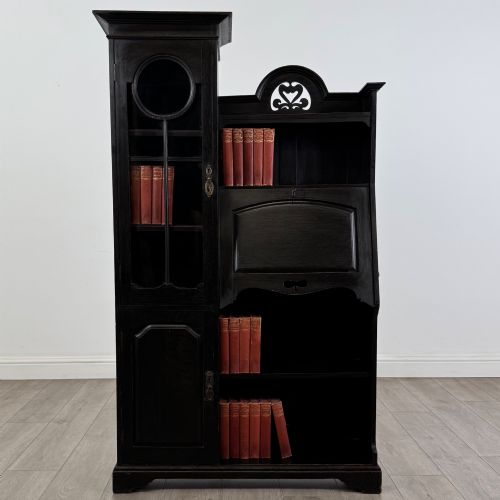
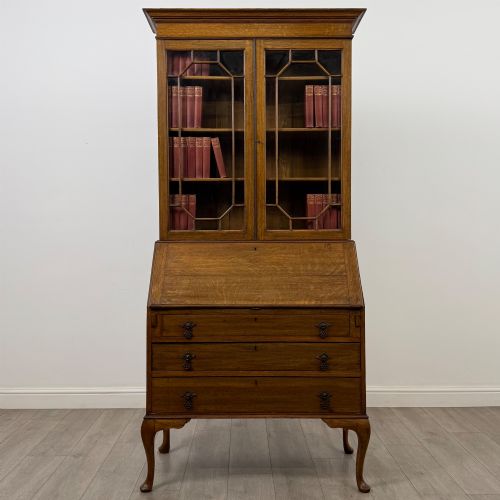
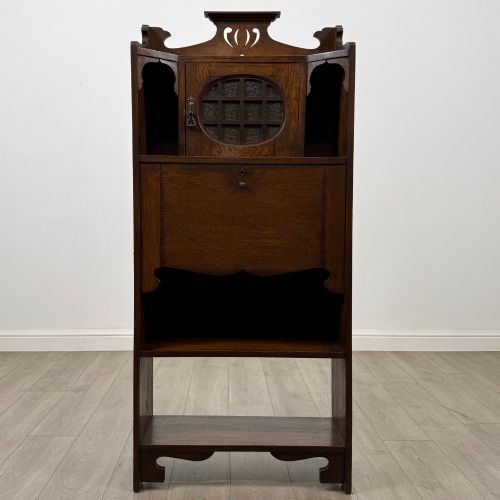
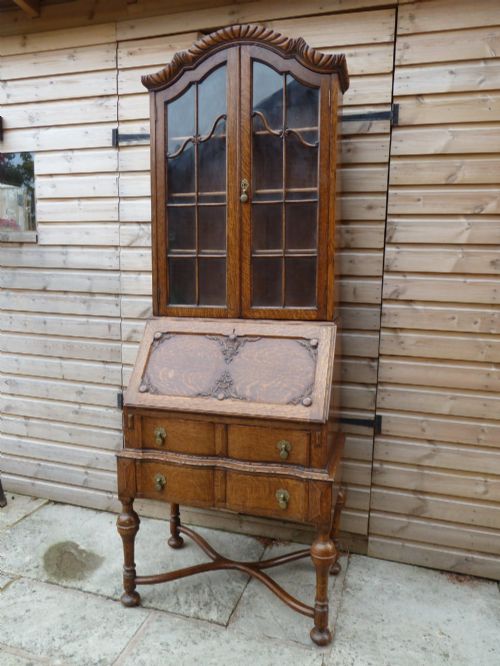
Buyers encounter distinct configurations, ranging from compact student models with glazed display doors to taller two-part bureau bookcases featuring stepped interior pigeonholes.
Materials and construction
Cabinet makers relied primarily on solid oak, selected for its durability and prominent grain, often highlighting golden, honey, or ebonised tones.
Functional details incorporate brass hinges, iron handles, leather writing inserts, and leaded glass panes within upper bookcase doors.
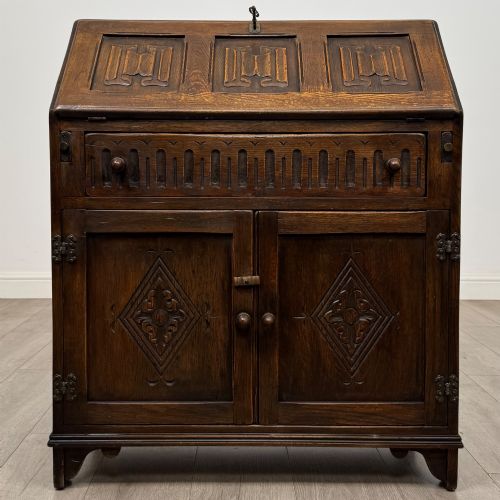
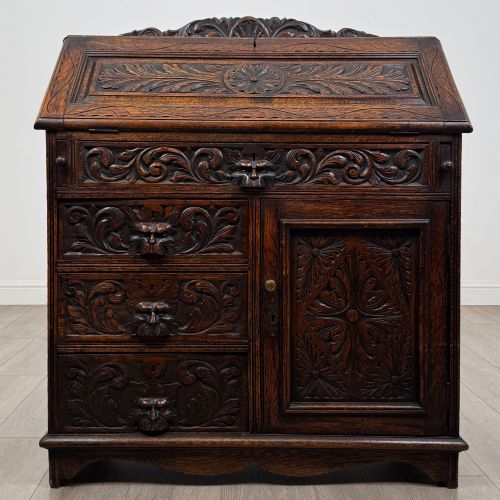
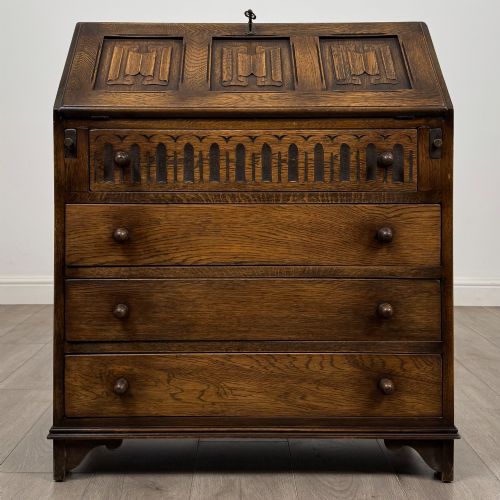
Decorative elements display hand carving such as linenfold panelling, green man motifs, or vernacular joinery typical of Cotswold school workshops.
Oak Bureau Cabinet Retail Price Guide 2026
Typical asking prices for oak bureau cabinet among the pieces listed under this phrase on Sellingantiques today, from the lower quarter to the upper quarter. They describe what is for sale here now, not the wider market.
The selection includes 17th-century vernacular strong boxes alongside 18th-century Georgian designs and early 20th-century Arts and Crafts student models.
Quality factors
Superior examples demonstrate careful timber selection with matching grain patterns across the fall front and drawer facades, whereas lesser pieces use simpler planking.
Internal complexity sets finer items apart, evident in stepped compartments, secret drawers, and precise dovetail joints rather than straightforward shelving.
Provenance and maker attribution elevate certain pieces, distinguishing standard regional furniture from documented studio outputs like those by Stanley Webb Davies or Arthur Basil Reynolds.
Arthur Basil Reynolds·Stanley Webb Davies·Bryn Mawr·The Bath Cabinet Makers·Larkin
The Oak Bureau Cabinet Glossary
- Fall front
- A hinged writing flap that drops down to create a horizontal desk surface. This panel conceals pigeonholes and small drawers when closed.
- Bureau bookcase
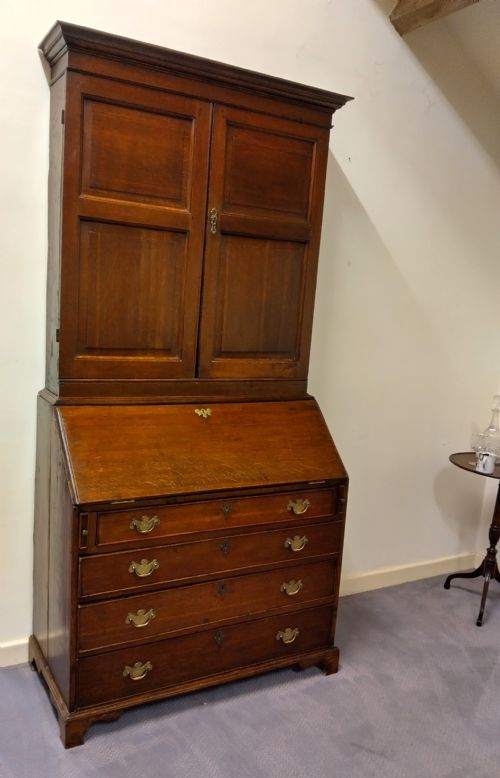
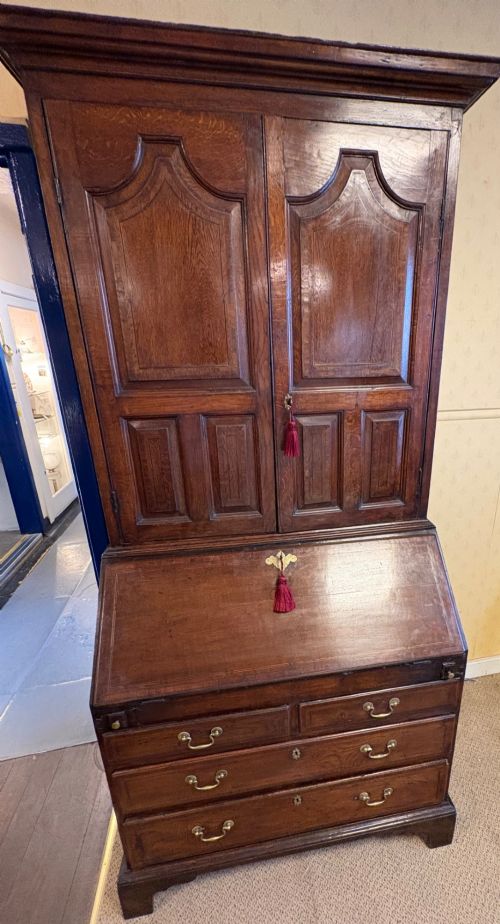
- A dual-purpose tall furniture form uniting a lower writing desk with an upper glazed or panelled shelving unit. It provides comprehensive study and library storage.
- Linenfold
- A carved wooden relief ornament resembling folded vertical linen fabric. This motif frequently decorates the panels of Edwardian and revival pieces.
- Stepped interior
- An arrangement of internal compartments and pigeonholes built in ascending tiers. It adds architectural depth to the writing section.
- Secretaire
- A cabinet or chest containing a pull-out writing drawer or drop-front desk compartment. It integrates concealed writing utilities into standard cabinetry.
Oak Bureau Cabinet: Frequently Asked Questions
How do I date an oak bureau cabinet?
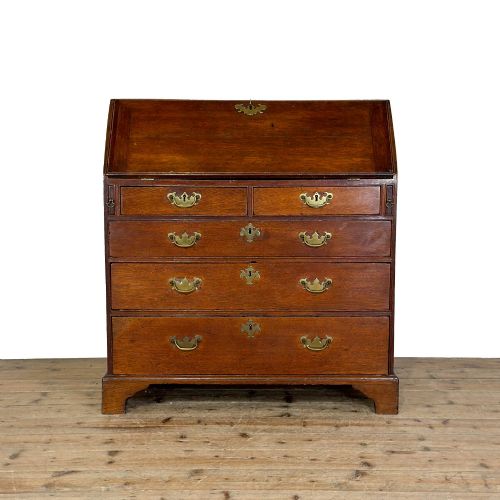
Dating relies on architectural proportions, handle hardware, and construction methods. Georgian examples often feature bracket feet and cockbeaded drawer edges.
Later Victorian and Edwardian iterations incorporate revival styling such as Jacobean turning or linenfold carving alongside machine-cut dovetailing.
What is the difference between a bureau and a bureau bookcase?
A standard bureau consists of a desk section with a writing flap positioned above drawers or a cupboard base. It is typically a single lower unit.
An oak bureau bookcase adds a substantial upper storage cabinet, usually enclosed by glass or wooden doors, designed specifically for holding books.
How do I care for antique oak furniture?
Antique oak benefits from stable indoor humidity and protection from direct sunlight, which can fade golden or ebonised finishes. Regular dusting with a dry, soft cloth maintains the natural timber sheen.
Applying occasional traditional wax polish nourishes the wood grain without building up sticky surface residues.
Are these cabinets suitable for modern laptops?
Many historical writing surfaces accommodate compact modern technology comfortably when the fall front is folded down. Internal pigeonholes also serve well for storing modern stationery and chargers.
Buyers should verify the interior depth and clearance of the specific writing flap before regular daily use.