




Oak Buffet with Rack
An oak buffet with rack combines a sturdy base with open display shelving, offering a practical storage solution for tableware.
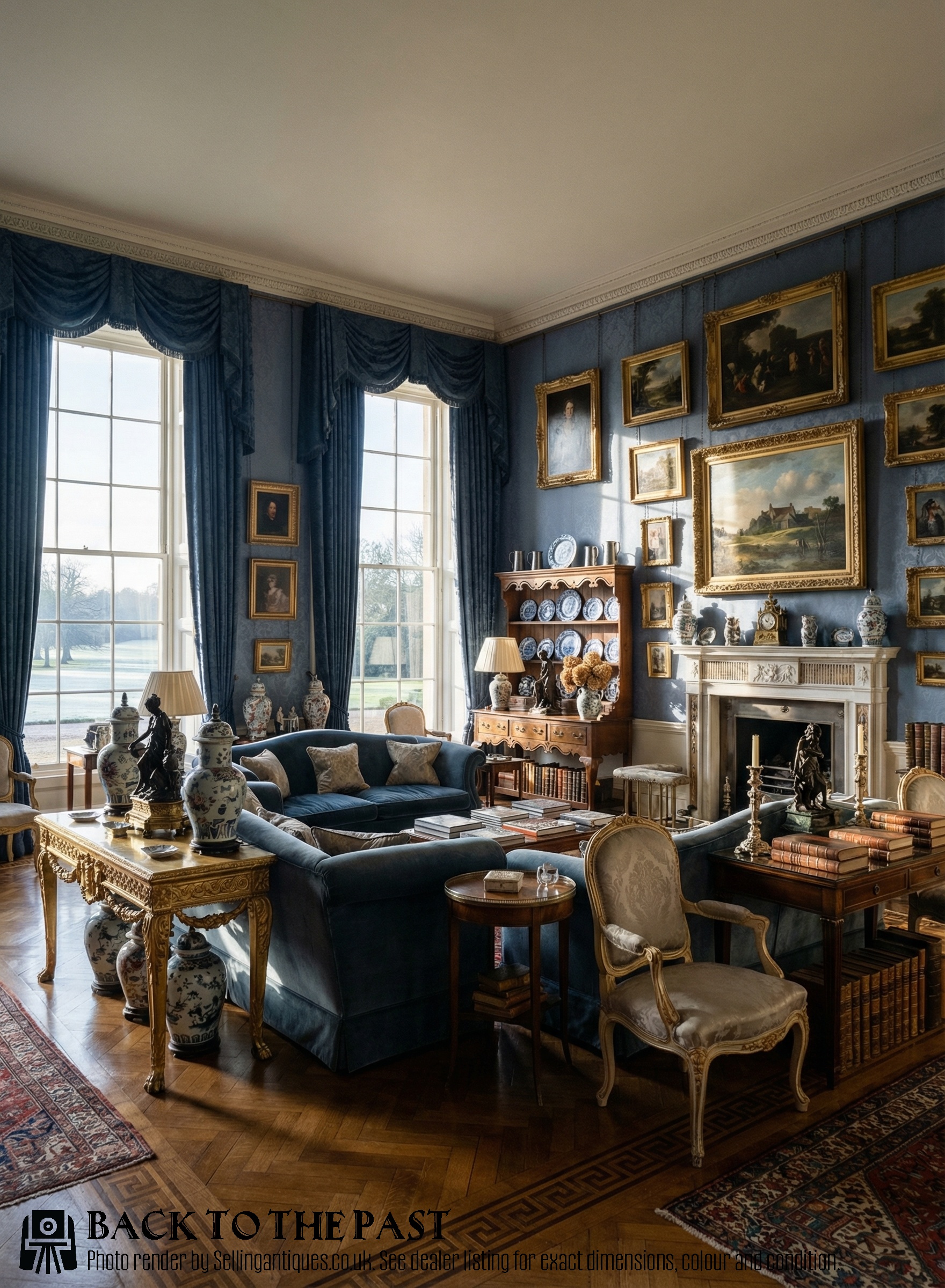
Oak Buffet with Rack
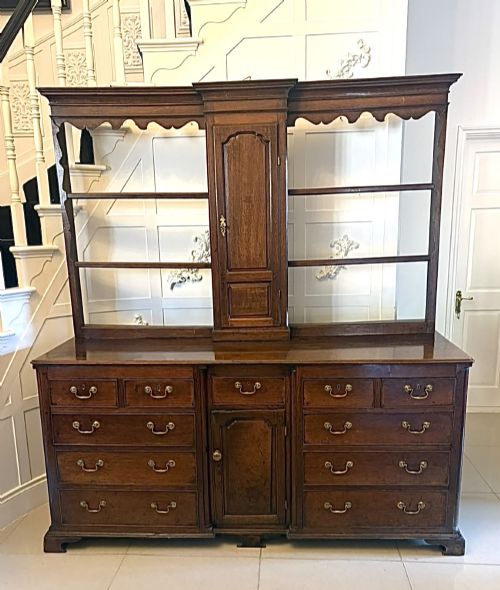
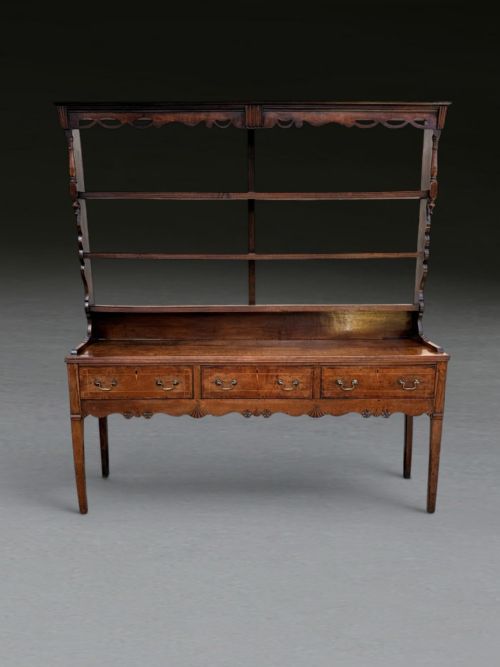
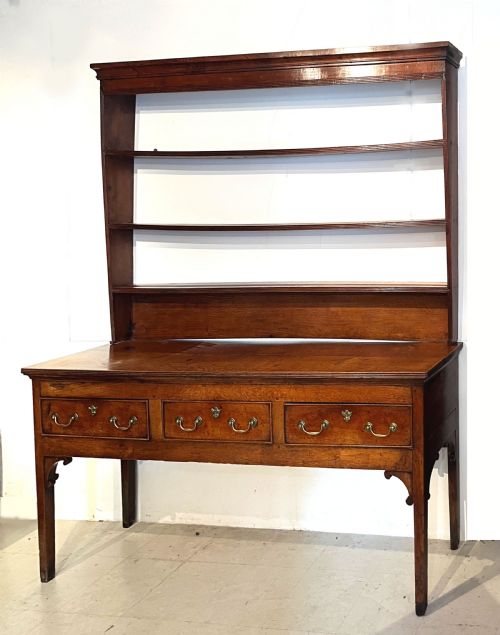
An oak buffet with rack is a substantial item of furniture combining a lower storage base, such as a sideboard or dresser base, with an upper plate rack. These pieces serve both display and storage functions for dining rooms and kitchens.
The selection on this page spans several centuries and styles, including 18th Century examples, Georgian pieces, and later Edwardian variations. You will encounter English Country designs alongside Arts and Crafts interpretations and Jacobean Revival influences.
Most items are constructed primarily from oak, occasionally incorporating secondary timbers like pine or mahogany, along with brass and iron hardware. Forms range from traditional Welsh dressers to breakfront drawer configurations and painted finish options.
How they were made
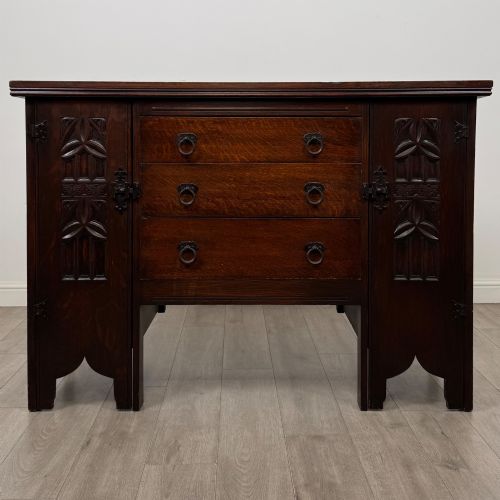
Construction relies heavily on solid oak timbers, joined using traditional cabinetmaking techniques suited to heavy domestic furniture. Many examples feature hand-carved ornamentation on the base or frieze, reflecting the stylistic preferences of periods from the 18th Century through to the Edwardian era.
Surface finishes vary from polished timber showing natural grain to painted finishes on select English country pieces. Hardware components such as brass handles and iron fittings complete the construction, matching the functional requirements of large storage furniture.
Oak Buffet with Rack Retail Price Guide 2026
Typical asking prices for oak buffet with rack among the pieces listed under this phrase on Sellingantiques today, from the lower quarter to the upper quarter. They describe what is for sale here now, not the wider market.
Some sturdy country examples include dedicated pot boards near the floor, originally designed to keep heavy iron pots away from damp flagstone kitchens.
What varies in quality
Quality in an oak buffet with rack depends on the integrity of the timber selection and the crispness of any carved detailing on the base or rack. Pieces originating from earlier periods often display superior hand-craftsmanship in their joinery compared to later revival items.
The harmony between the lower buffet and the upper rack influences the overall aesthetic success of the piece. Proportions, original hardware, and the condition of the timber surfaces set the finer examples apart from standard utilitarian items.
The Oak Buffet with Rack Glossary
- Dresser base
- The lower cabinet or sideboard portion of a dresser, typically fitted with drawers and cupboards. This forms the heavy foundation that supports the upper plate rack.
- Breakfront
- A cabinet design where the central section projects forward from the flanking sections. This configuration adds architectural depth to the lower buffet drawers.
- Pot board
- A low open shelf fitted between the legs of a traditional dresser near the floor, originally used for storing heavy pots and pans. This feature is common in country vernacular furniture.
Oak Buffet with Rack: Frequently Asked Questions
What is an oak buffet with rack used for?
These large furniture pieces serve to store dining utensils and cookware in the lower cupboards and drawers while displaying ceramic plates on the upper open shelves.
They function as both practical storage units and focal points for traditional dining rooms or kitchens.
How do I date an antique oak dresser?
Dating relies on examining the construction methods, timber characteristics, and decorative styles visible across the piece. Stylistic markers range from plain 18th-century vernacular designs to later Arts and Crafts or Georgian revival interpretations.
Hardware types and secondary woods used in the drawers provide further clues to the period of manufacture.
Are these pieces made entirely of solid oak?
While the primary visible structure is typically solid oak, secondary timbers such as pine or mahogany may appear in hidden areas like drawer linings or backboards.
Constructive materials vary depending on the regional workshop and the specific period of the piece.
How should I care for an antique oak buffet?
Maintain the timber by keeping the piece away from direct heat sources and sudden humidity changes that can cause the wood to split. Regular dusting with a dry cloth helps preserve the wax or polished finish.
Avoid using harsh chemical cleaners that might strip the historic surface.