
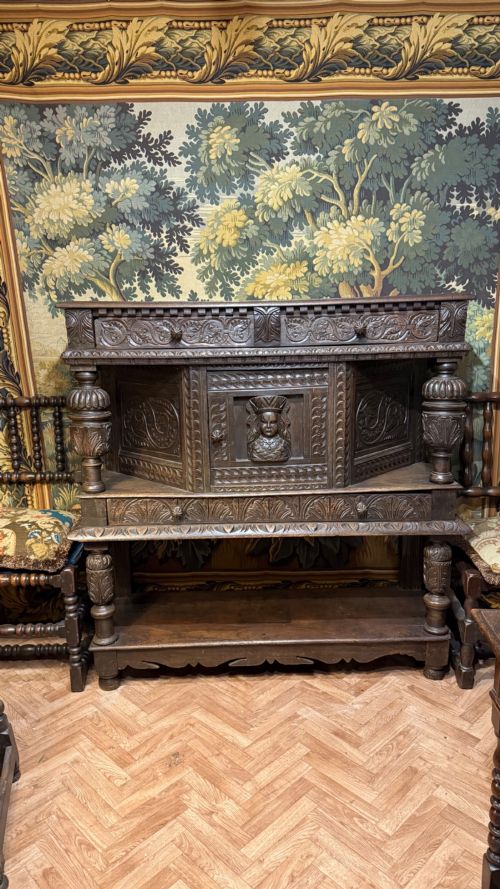
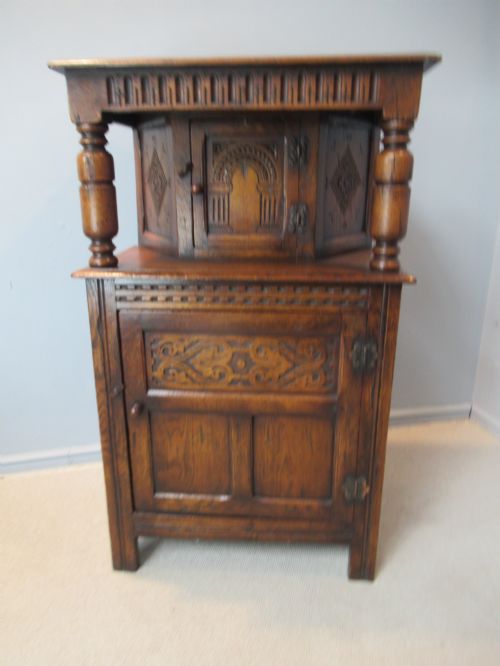


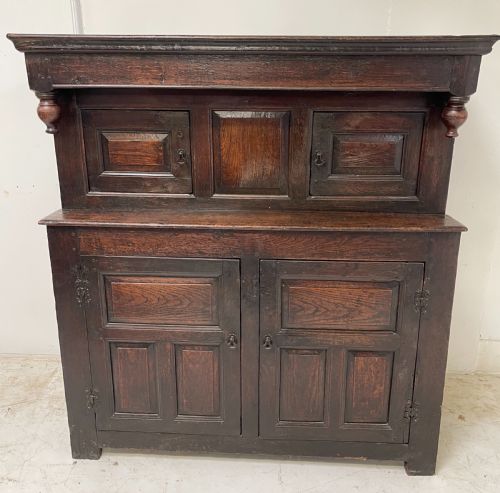


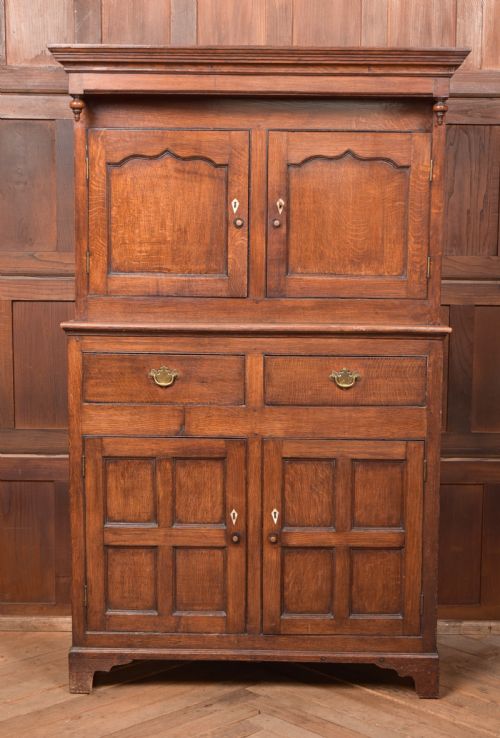

Oak Bread Cheese Cupboard
An oak bread cheese cupboard is a traditional provision store built to keep daily rations safe, offering deep regional character and honest rural utility.
Understanding the oak bread cheese cupboard
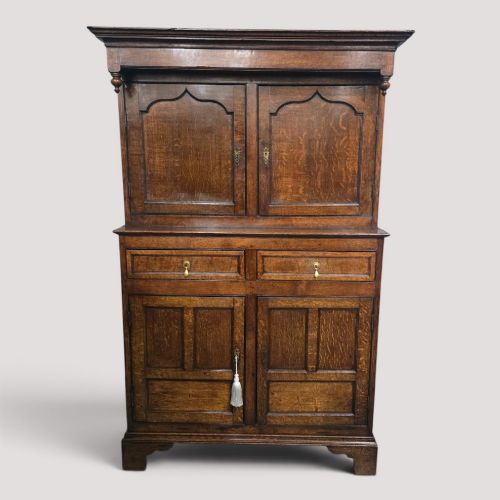
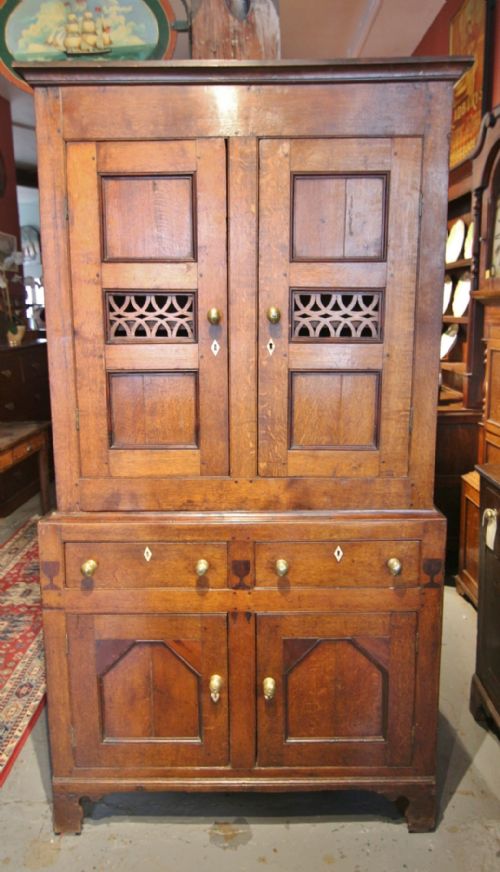
An oak bread cheese cupboard is a historic provision safe designed for domestic storage, closely tied to Welsh vernacular traditions from the Georgian and early nineteenth century periods. These utilitarian pieces typically combine enclosed compartments with ventilated or punched sections to keep provisions fresh.
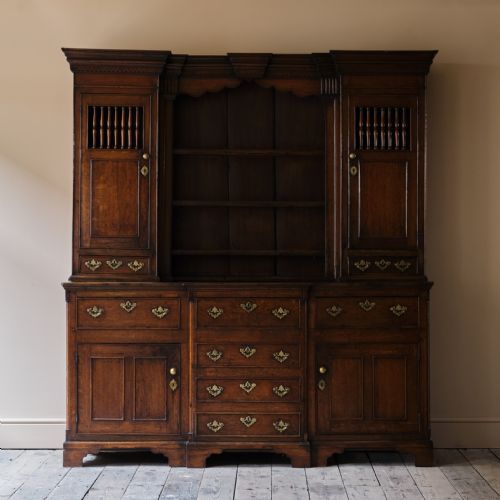
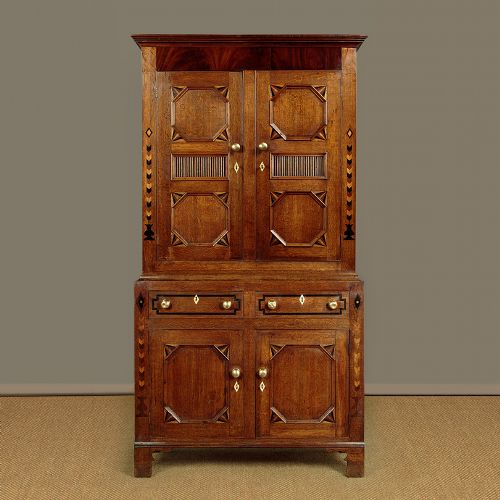
The search phrase also leads to related court cupboards and food cupboards spanning from the seventeenth century through to later revival pieces dated around nineteen twenty. While some examples display inlaid wood or carved detailing, the core form remains anchored in sturdy farmhouse functionality.
Materials and construction
Makers built these cupboards using solid oak, frequently augmented with brass hardware, iron fittings, and occasional bone details. The timber is worked with traditional joinery methods suited to heavy domestic use in rural kitchens.
Surviving examples show regional decorative touches such as inlaid wood work alongside carved elements seen in revival and earlier court cupboard styles. Surface finishes rely on natural grain and simple patination built up over generations of handling.
Retail Price Guide 2026
Typical UK retail prices for oak bread cheese cupboard, calculated from the Sellingantiques database of over a million retail prices indexed since 2003. This retail price guide relies exclusively on Sellingantiques data; no external sources or auction records are used, so the figures do not describe the wider market.
Early cheese stores sometimes included clever pierced panels to let the cheddar breathe while keeping out the farm cat.
Distinctions in quality and character
Quality in these cupboards rests on the integrity of the timber, the subtlety of regional vernacular details, and the proportion of the piece. Earlier seventeenth century examples or crisply executed Georgian pieces demonstrate superior joinery compared to later revival items.
The presence of original hardware, such as brass hinges or iron latches, and the retention of clean interior shelving elevate a piece. Variations in carving depth and the finesse of any inlaid wood ornamentation further separate standard utility cupboards from finer regional examples.
The Oak Bread Cheese Cupboard Glossary
- Bread and cheese cupboard
- A traditional kitchen cabinet designed specifically for storing household rations and provisions safely. These pieces often feature specific ventilation provisions in the door panels.
- Court cupboard
- A heavy timber storage cabinet featuring an upper stage set back on a lower base, commonly associated with seventeenth century and revival forms. They provide substantial display and storage space.
- Vernacular
- Architecture and furniture rooted in local traditions, utilising readily available materials like oak to serve everyday domestic needs. These items reflect regional building habits rather than court fashions.
- Inlaid wood
- Decorative technique where contrasting materials are inserted into recessed sections of the primary oak surface. This method creates geometric or floral patterns.
- Cwpwrdd bara caws
- The traditional Welsh term for a bread and cheese cupboard, highlighting its regional origins. These domestic pieces formed a central part of Welsh farmhouse kitchens.
Frequently Asked Questions
What is a bread and cheese cupboard?
A bread and cheese cupboard is a traditional farmhouse provision safe used in Welsh and Georgian kitchens to store daily rations.
These cabinets were designed with ventilation to keep food fresh before the advent of modern refrigeration.
How do I date an oak cupboard?
Dating relies on examining the construction methods, handle types, hinges, and overall joinery style visible on the piece.
Earlier seventeenth century examples show different carving patterns compared to Georgian or later revival pieces from nineteen twenty.
Where were these cupboards made?
Many surviving examples originate from rural workshops in Wales, reflecting distinct regional vernacular furniture traditions.
Local cabinet makers utilised native oak and simple hand tools to build sturdy furniture for farmhouse use.
How should I care for antique oak?
Keep antique oak furniture away from direct heat sources and sudden humidity changes to prevent the timber from splitting.
Apply traditional wax sparingly and polish gently with a soft cloth to maintain the natural finish.