




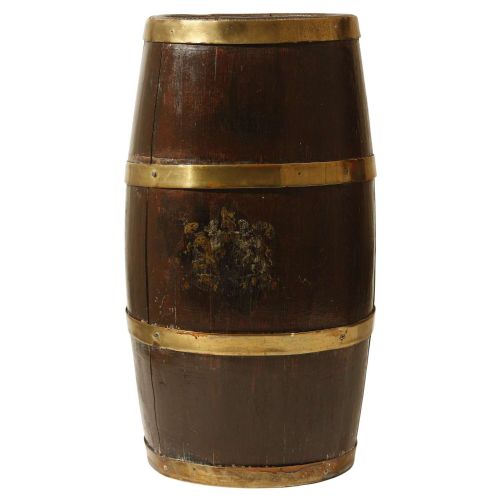


Oak Brass Umbrella Stand
An oak brass umbrella stand brings solid country house presence to a hallway, holding wet walking gear with heavy metal and timber authority.
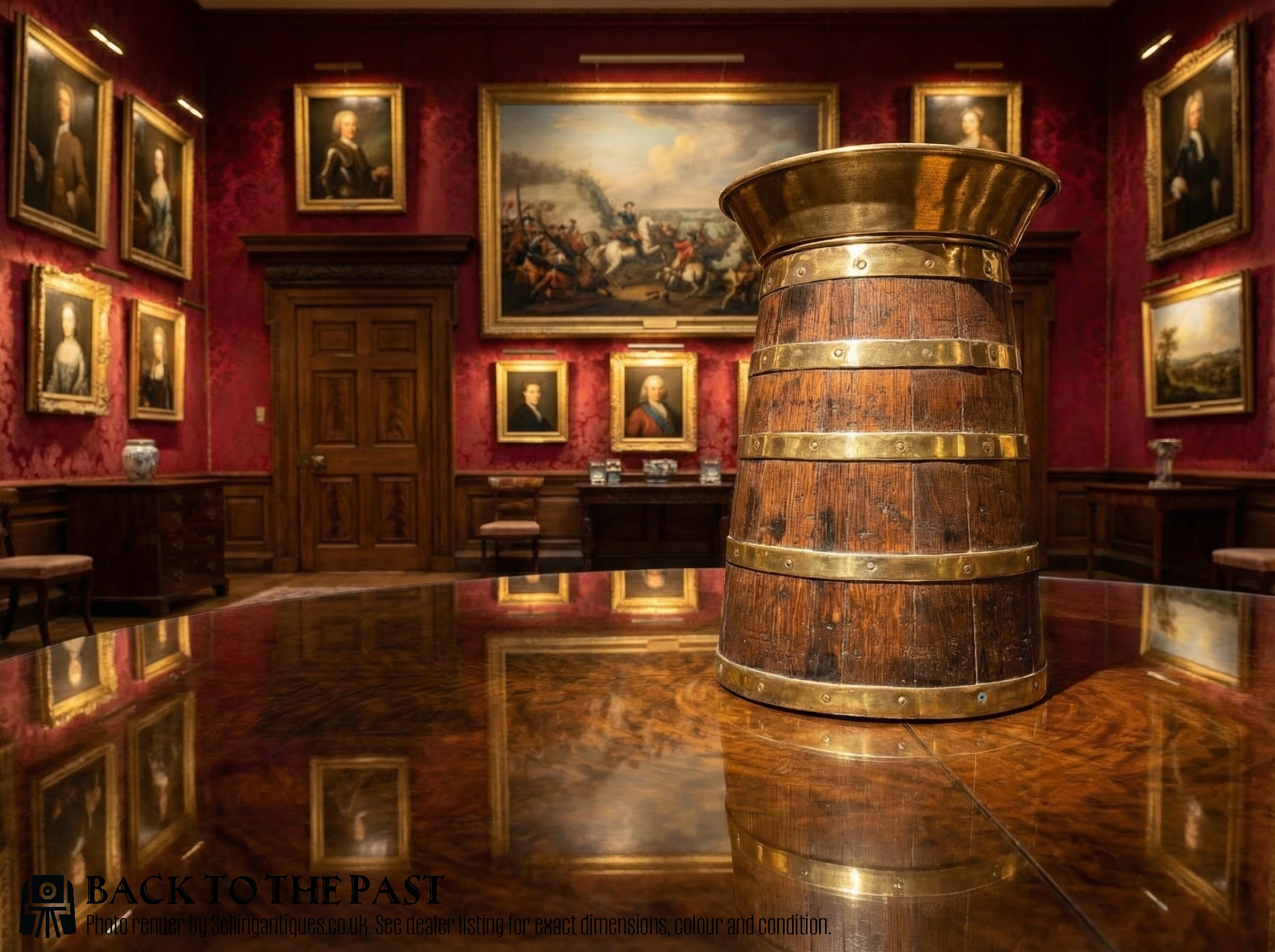
Oak Brass Umbrella Stand
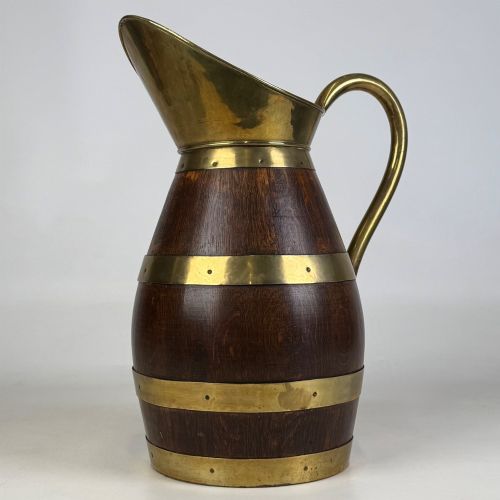
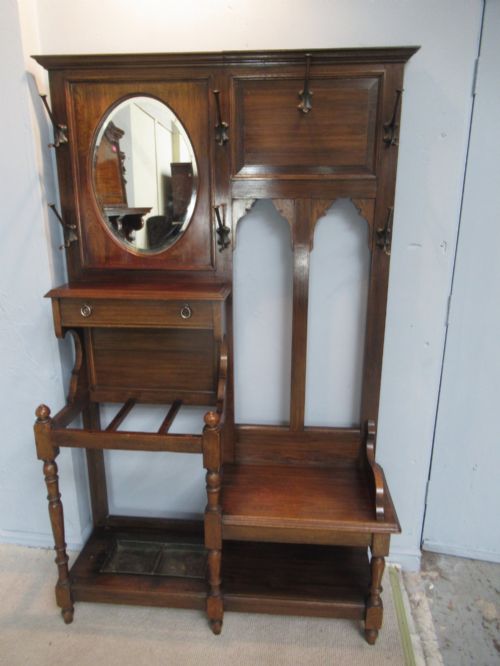
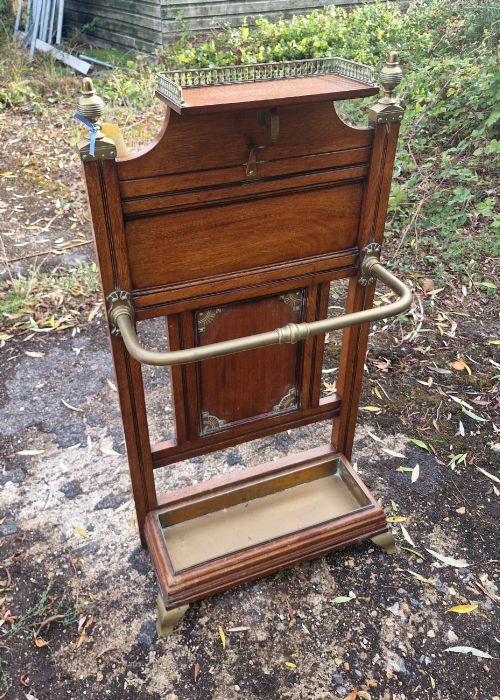
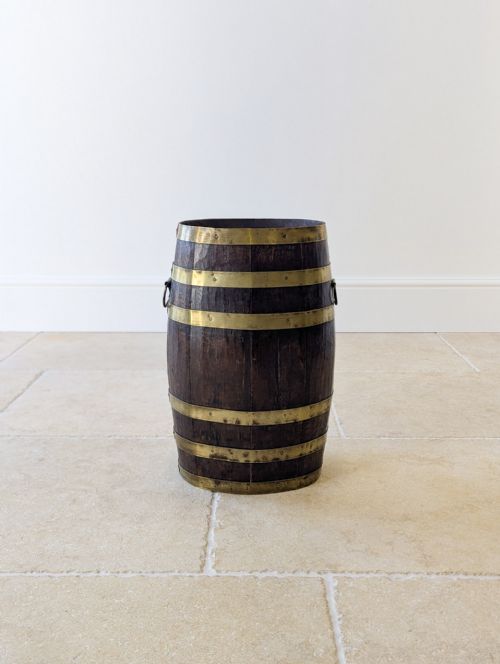
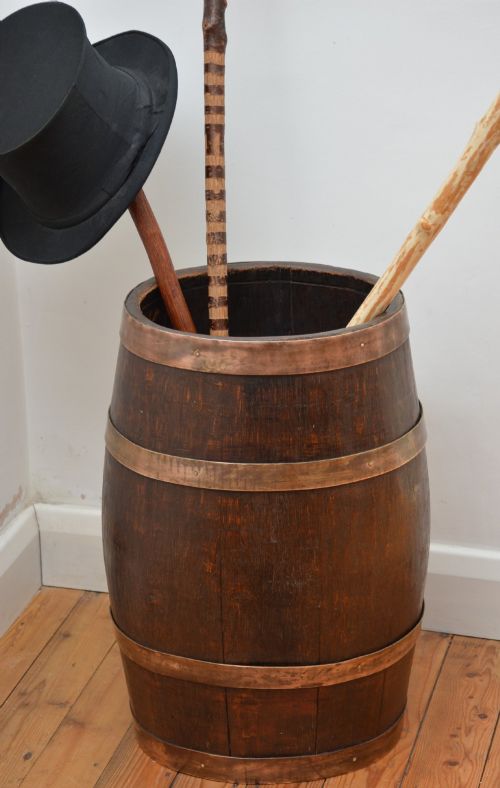
An oak brass umbrella stand gathers sticks, canes and wet umbrellas in a domestic hallway, taking forms that range from simple slatted racks to substantial hall furniture. When you search for an oak brass umbrella stand, you meet pieces built from timber staves secured with metal hoops, alongside upright stands incorporating hat and coat hooks.
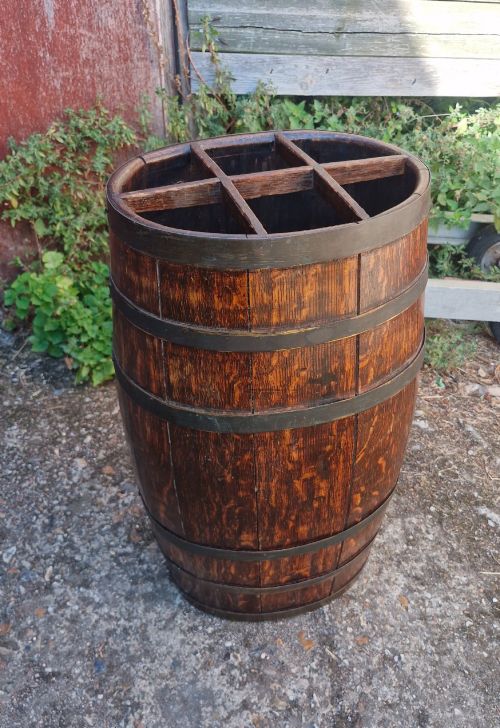
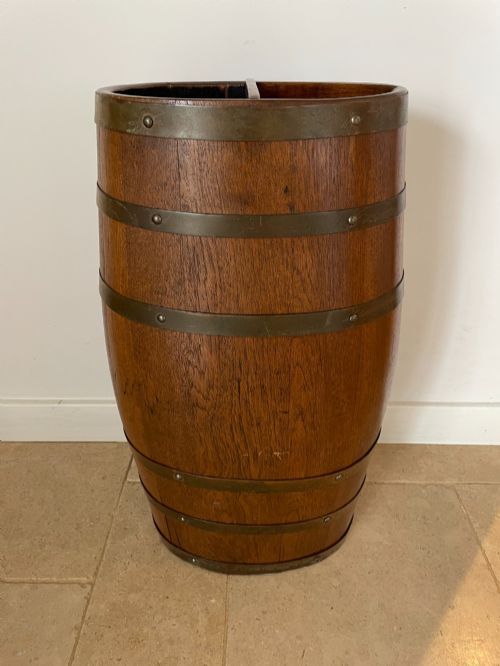
The material combination reflects nineteenth and early twentieth century utility, utilising durable wood for the main body and metal for structural reinforcement and drip containment. Many examples draw on coopered barrel construction techniques, appearing as round or oval vessels designed to stand against hall walls.
How they were made
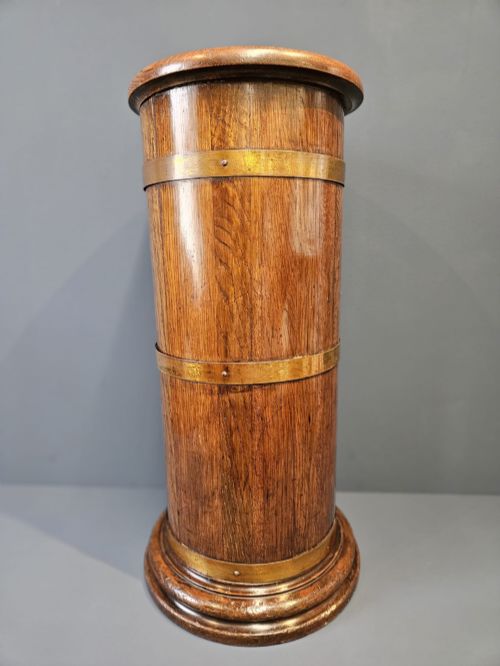
Maker construction relies on solid timber staves shaped and fitted together to form open barrel bodies, bound tightly by heavy metal bands or straps. These metal braces provide both structural tension to hold the wood staves in place and decorative contrast against the grain of the oak.
Joinery for hall furniture incorporates panels and framework fixed with pegs or traditional fasteners, integrating metal hooks, rails and drip trays into the timber assembly. Surfaces receive finishes that protect the wood from moisture while preserving the natural tone of the grain.
Listings feature oak combined with brass, copper, and iron, spanning Victorian, Edwardian, and Regency periods.
What varies in quality
Quality rests in the weight of the timber and the thickness of the metal bands holding the vessel together, separating heavy functional pieces from lighter decorative items. Superior examples display tight stave joints and substantial brass work that sits flush against the wood.
Proportion and execution define the standing of a piece, whether in a simple coopered barrel or a multi-functional hall stand incorporating mirrors and panels. Finer items show considered detailing in the brass mounts and handles, maintaining structural integrity across decades of heavy domestic use.
James Shoolbred·R.A. Lister
The Oak Brass Umbrella Stand Glossary
- Coopered
- Built from curved wooden staves joined edge to edge and bound with metal hoops, following traditional barrel-making methods. This technique creates strong, watertight vessels well suited to holding wet sticks.
- Brass bound
- Fitted with external metal straps that secure the wooden staves of a barrel or bucket. The brass adds structural strength while providing a bright decorative contrast to the dark timber.
- Hall stand
- A piece of furniture combining coat hooks, hat storage and an umbrella or stick rack. These items anchor the entranceway of a house by consolidating outerwear storage into a single unit.
- Arts and Crafts
- A design movement emphasising handcraftsmanship, simple forms and visible construction methods. Pieces from this tradition often display honest joinery and unfussy metalwork.
- Gothic Revival
- A style drawing on medieval architectural motifs such as pointed arches and quatrefoil cutouts. Objects in this vein apply historical church ornament to domestic furnishings.
Oak Brass Umbrella Stand: Frequently Asked Questions
How do I clean an oak brass umbrella stand?
Wipe the timber surface with a dry cloth and apply occasional wax to nourish the grain without trapping moisture in the wood.
Polish the metal components gently to remove tarnish, taking care to avoid getting metal cleaners onto the surrounding oak.
Are these stands waterproof?
Coopered barrel forms often feature internal bases designed to hold damp items, though historic vessels may require a modern liner to protect floors.
Solid timber construction tolerates wet umbrellas, but standing water left indefinitely can damage the base joints over time.
Where should I place an oak brass umbrella stand?
Position the piece in an entrance hall or porch where wet outerwear and walking sticks accumulate upon entering the house.
Keep the stand away from direct heat sources such as radiators to prevent the oak staves from drying out and shrinking.
How do I date an oak brass umbrella stand?
Examine the construction methods, fixing types and overall style to distinguish Victorian coopered barrels from later Edwardian hall furniture.
Look for registration numbers, maker stamps or patent marks stamped into the wood or metal components.