




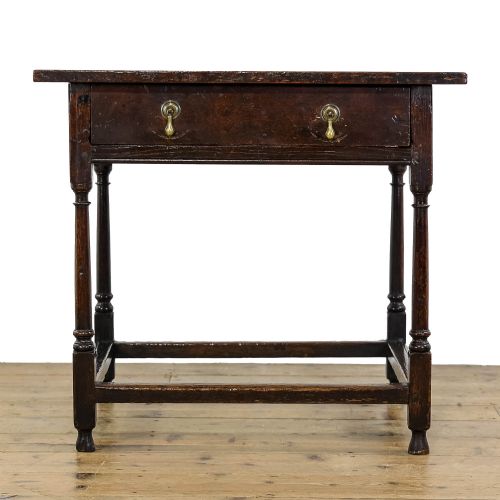


Oak Box on Legs
An oak box on legs is a practical piece for storage and display, combining sturdy timber with an elevated stand.
Oak Box on Legs
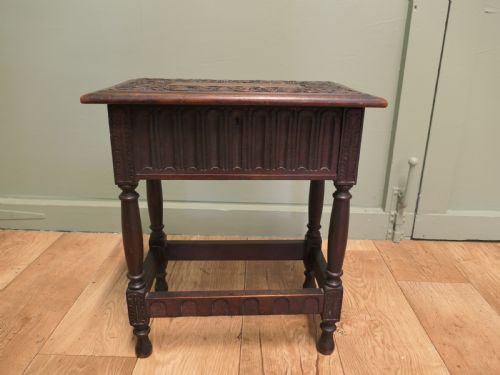
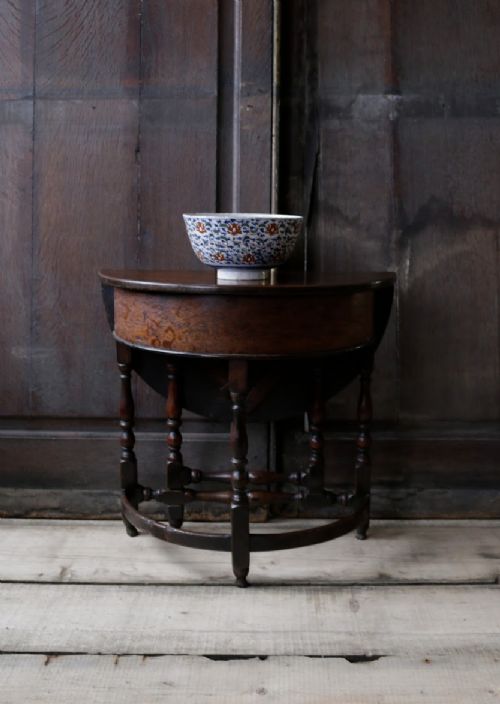
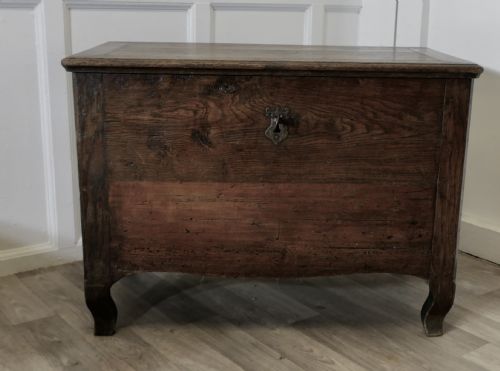
An oak box on legs unites lidded storage with an elevated timber stand, appearing in forms such as side tables, coffers, joint stools, and canteens across several centuries. You will most frequently encounter seventeenth century and eighteenth century examples, alongside nineteenth century interpretations built in earlier styles.
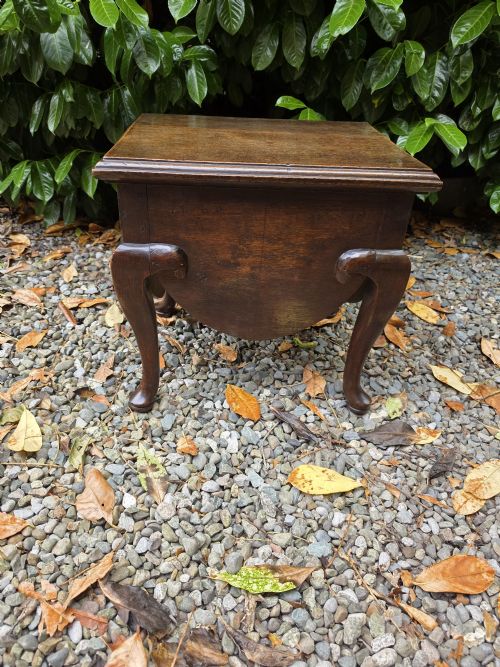
These pieces serve multiple functions in a room, acting as Bible boxes on stands, sewing boxes, close stools, and small side tables. The elevated design keeps stored items away from damp floors while providing a flat surface above.
How they were made
Joiners built these boxes and stands predominantly from solid oak, sometimes pairing the timber with brass handles, iron hinges, or wrought iron stretchers. Interior linings occasionally incorporate velvet for protecting delicate contents.
Construction methods rely on traditional framing and panel techniques for the boxes, joined securely to turned, cabriole, or square tapered legs.
Some seventeenth century examples doubled as indoor plumbing solutions before evolving into polite parlor side tables.
What varies in quality
The sophistication of the carving and the purity of the period style distinguish finer pieces from simpler utilitarian items. Early seventeenth century and William and Mary examples often display refined turnings and joinery.
The harmony between the box and its stand dictates the integrity of the piece, particularly where boxes have been united with bases at later dates.
Mappin & Webb
The Oak Box on Legs Glossary
- Joint stool
- A sturdy wooden stool built with pegged mortise and tenon joints, often used as a base or seat.
- Bible box
- A small lidded box historically used for storing sacred texts and writing materials.
- Close stool
- An enclosed box stool designed to house a chamber pot, often raised on legs.
- Cabriole leg
- A furniture leg featuring a double curve, typically swelling outward at the knee and tapering to a foot.
Oak Box on Legs: Frequently Asked Questions
What were oak boxes on legs used for?
These pieces functioned primarily for secure storage of household valuables, Bibles, or sewing equipment while providing a stable surface at a convenient height.
Over different centuries, makers adapted the form to serve as writing desks, side tables, or specialised stands.
How do I date an antique oak box?
Dating relies on examining the construction methods, tool marks, timber shrinkage, and hardware style visible on the piece.
Stylistic details like Jacobean turnings or William and Mary framing provide clear chronological markers.
Where should I place one in my home?
An oak box on legs fits well in hallways, living rooms, or bedrooms where it can double as a lamp table and a storage chest.
Keep the timber away from direct heat sources and strong sunlight to protect the finish.
Are these stands original to the boxes?
Many seventeenth and eighteenth century boxes survived while their original stands did not, leading to marriage with later bases.
Careful inspection of the timber grain and joint construction helps determine if the box and legs belong together.