



Oak Bedside Lamps
These oak bedside lamps bring warmth and solid character to a bedroom, combining practical surfaces with fitted lighting.
Oak Bedside Lamps
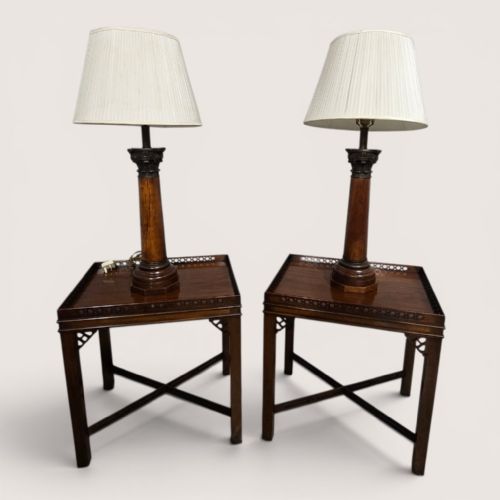
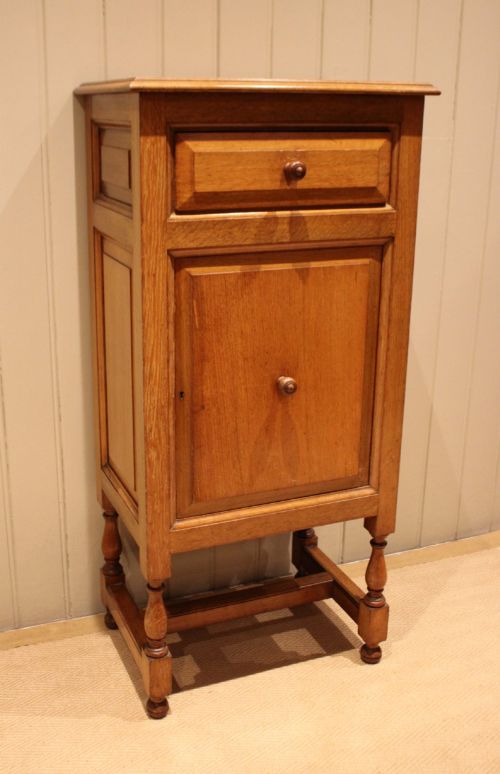
When searching for oak bedside lamps, buyers encounter a mix of converted side tables, small cabinets, and dedicated wooden lamp bases dating from the seventeenth century through to the 1930s. The selection relies heavily on early twentieth-century interpretations, Edwardian pieces, and Georgian forms adapted for domestic illumination.
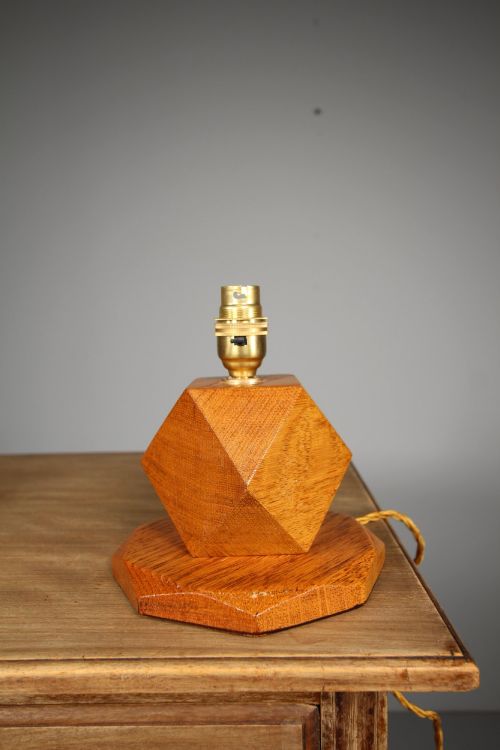
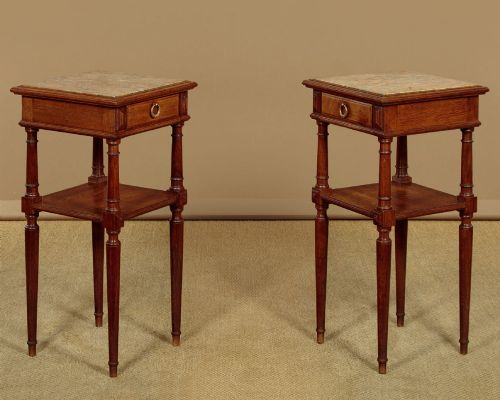
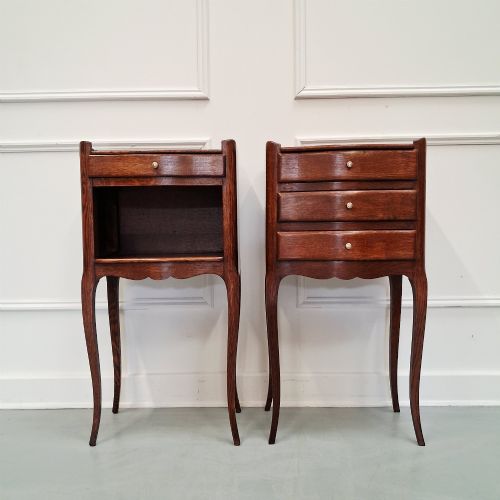
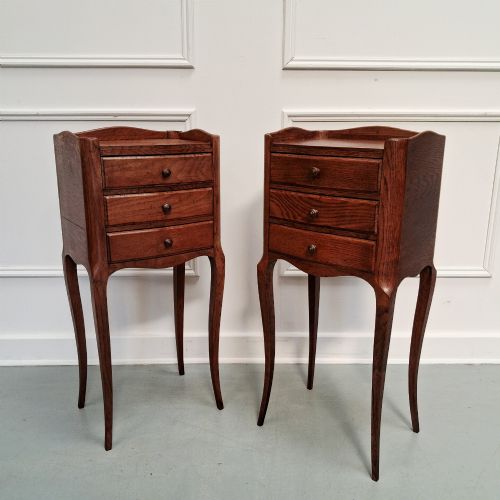
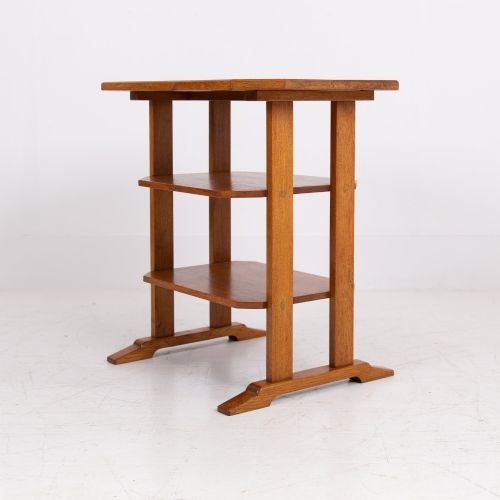
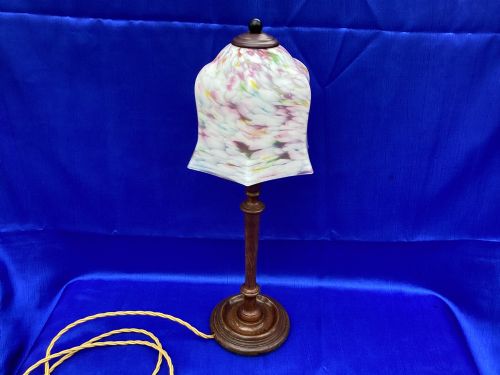
The most common formats on this page are compact side tables fitted with drawers or tiers, alongside turned wooden lamp bases originating from the Arts and Crafts and revival movements. French Provincial and English Country styles frequently appear alongside plain utilitarian designs from the 1920s.
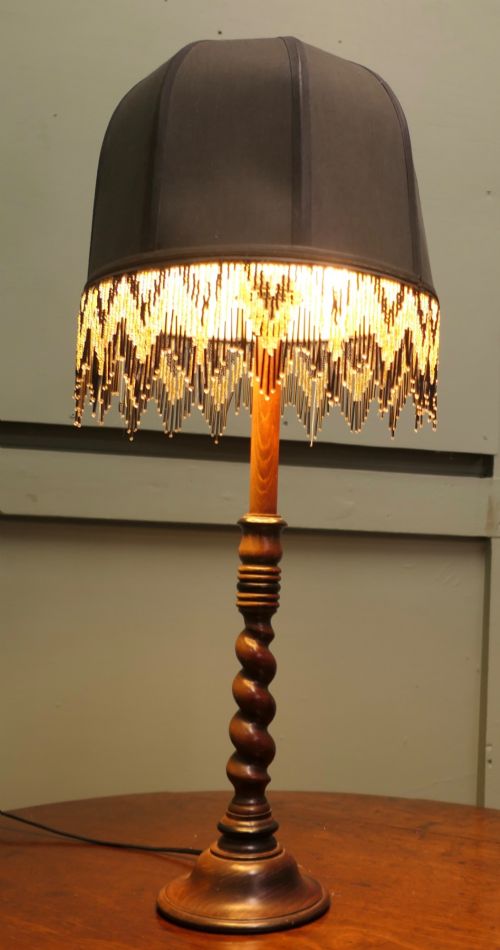
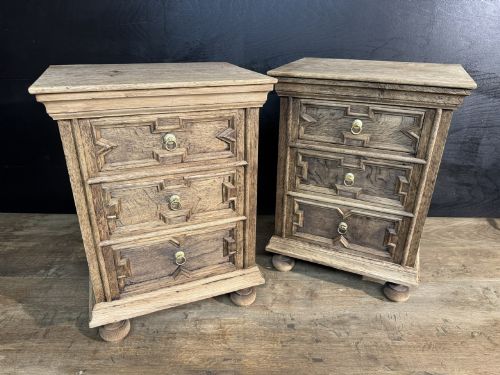
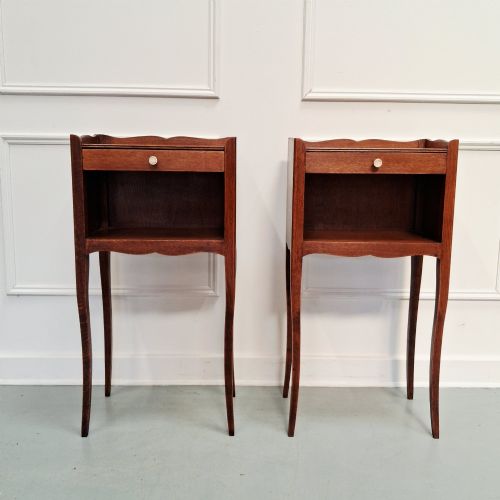
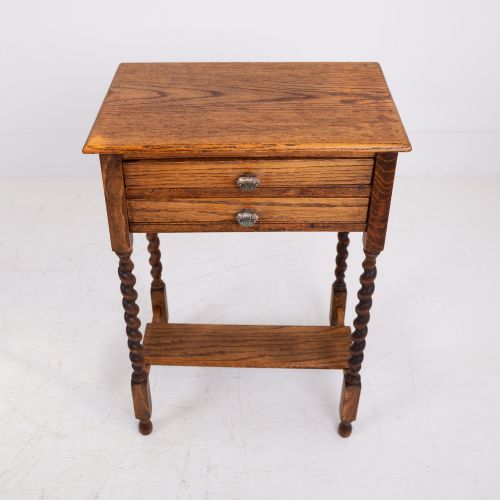
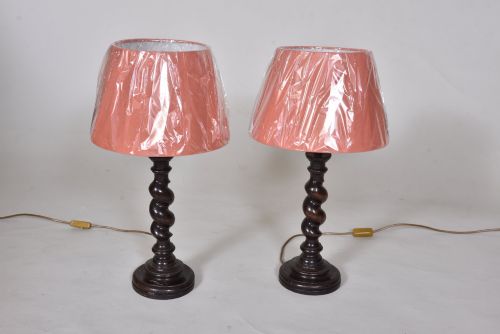
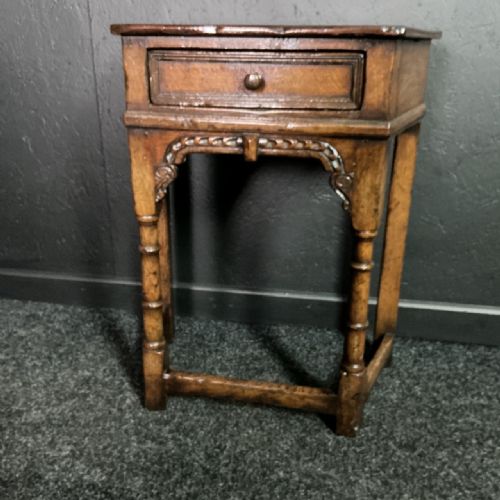
These items range from small cabinets with barley twist legs to simple lamp tables holding fabric shades. Buyers find both individual items and matched pairs suitable for bedside placement.
Materials and construction
Construction relies primarily on solid oak, dark oak, and painted oak, often accented with brass hardware, metal components, and occasional marble tops or canework. Timber is selected for grain pattern and durability, yielding sturdy frames that support electrical fittings.
Joinery methods reflect the period of origin, spanning traditional hand-carved elements seen in seventeenth-century pieces to simpler turned supports like bobbin and barley twist legs characteristic of the Edwardian era. Surfaces are finished with polish, paint, or bleach to alter the timber tone.
Oak Bedside Lamps Retail Price Guide 2026
Typical asking prices for oak bedside lamps among the pieces listed under this phrase on Sellingantiques today, from the lower quarter to the upper quarter. They describe what is for sale here now, not the wider market.
A solitary carved cherub watches over the bedroom from one particularly spirited 1920s wooden lamp.
Factors determining quality
Quality rests on the integrity of the timber selection and the precision of the joinery, distinguishing sturdy period constructions from later mass-produced items. Original surfaces and patination elevate a piece above heavily restored or stripped alternatives.
Proportion and balance dictate the success of converted tables and lamp bases, where harmonious scaling ensures the item sits correctly beside a bed without overwhelming the room.
The Oak Bedside Lamps Glossary
- Barley twist
- A turned wooden furniture leg resembling a spiral rope. This decorative carving appears frequently on Edwardian and seventeenth-century revival pieces.
- Bobbin turned
- A style of leg or support shaped like a string of bobbins or spools. It adds texture and visual interest to small tables.
- Cotswold School
- An early twentieth-century design movement focusing on handcrafted simplicity and honest material use. Pieces from this tradition show straightforward construction and respect for the grain.
- Etagere
- A set of open shelves for small objects. These French pieces often combine oak with marble and canework.
Oak Bedside Lamps: Frequently Asked Questions
Are these lamps converted from old tables?
Many listings combine antique oak side tables, small cabinets, and standard lamp bases that have been wired for electricity. The conversion process integrates modern fittings while retaining the original timber structure.
Buyers often select these multi-purpose items because they provide surface storage alongside a built-in light source.
How do I identify Edwardian oak pieces?
Edwardian oak items frequently feature characteristic turnings such as barley twist legs and simpler mouldings derived from earlier revivals. The timber often has a lighter warm tone compared to darker seventeenth-century examples.
Examining the underside and drawer construction helps confirm the period of manufacture.
Do these lamps come with shades?
Selected listings include fabric shades mounted to tall wooden table lamps or specific lamp bases. The visual balance depends on matching the shade scale to the sturdy oak base.
Details in the title usually indicate whether a shade forms part of the offering.
How do I care for antique oak?
Polished and painted oak surfaces require minimal maintenance using dry cloths to remove dust and occasional application of appropriate wax polish. Keeping the timber away from direct heat sources prevents warping.
Regular care preserves the natural grain and historic patination of the wood.