
Oak Art Deco Furniture
Oak art deco furniture combines robust timber with clean geometric lines, offering sturdy storage and display pieces that anchor a room.
Oak Art Deco Furniture
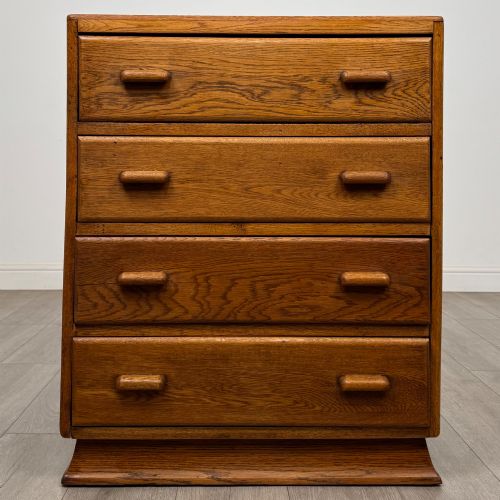
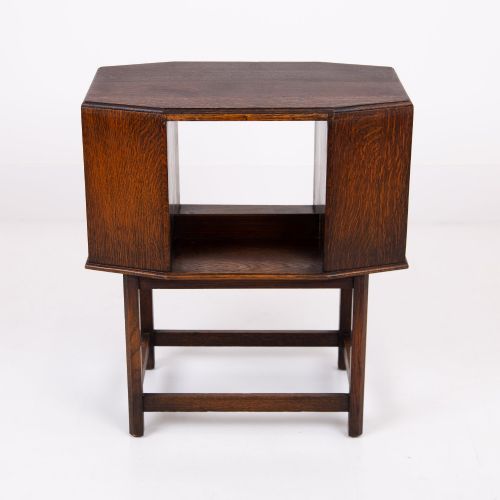
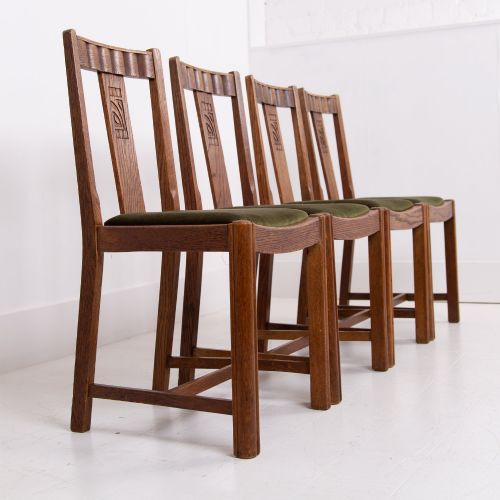
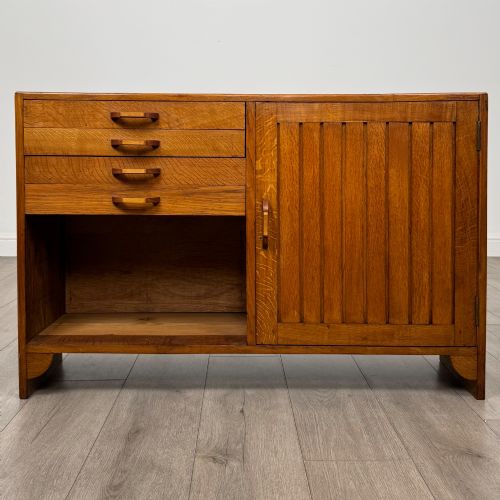
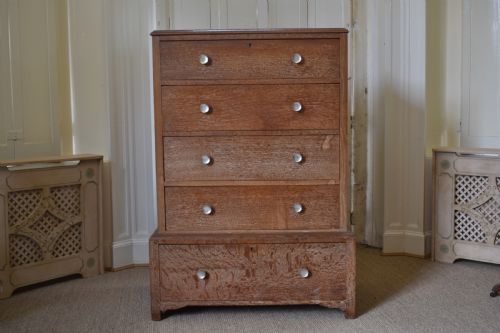
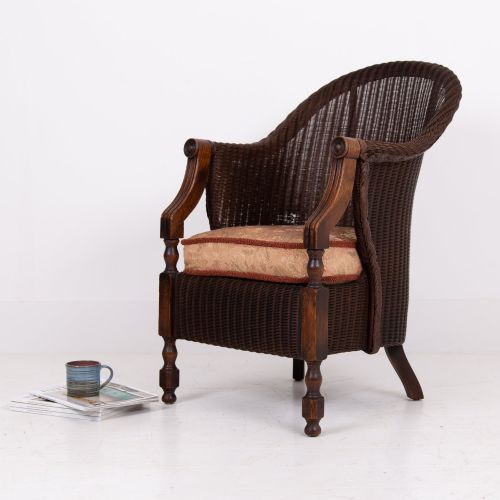
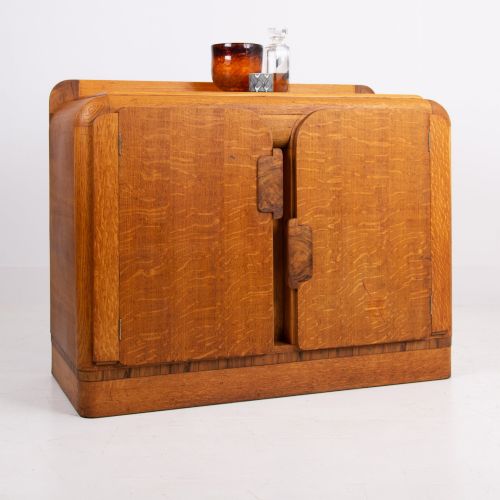
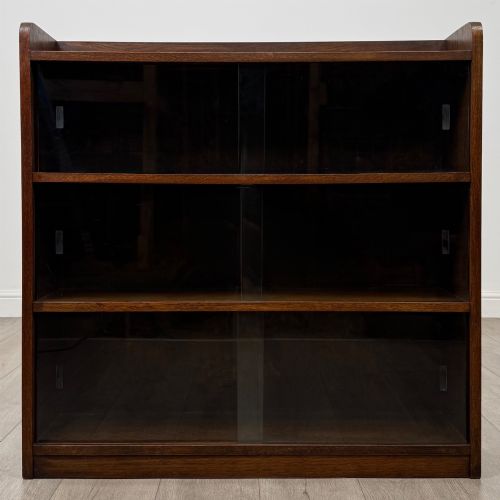
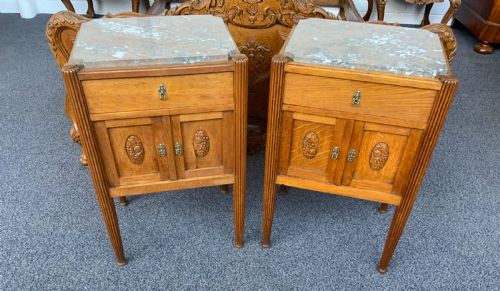
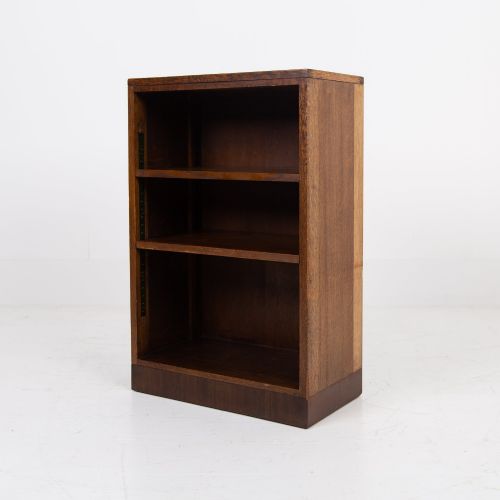
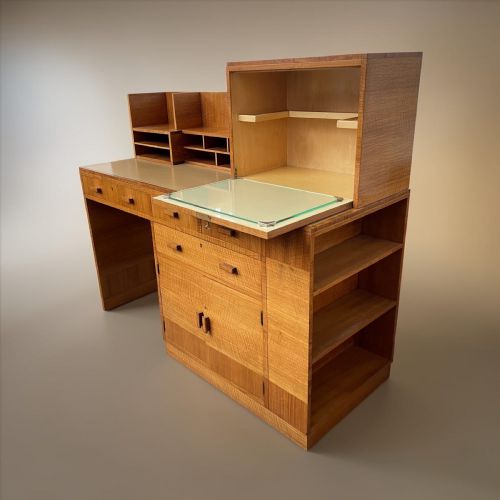
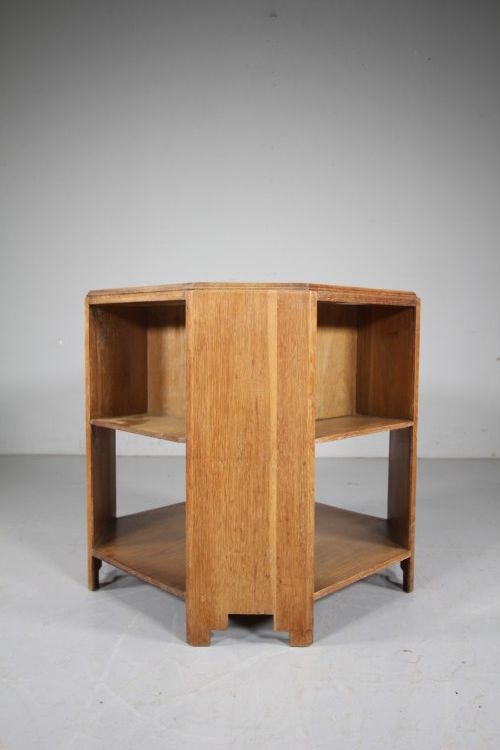
When searching for oak art deco furniture, you encounter practical domestic forms originating from the early twentieth century, spanning the nineteen-twenties and nineteen-thirties. The selection includes bookcases, sideboards, chests of drawers, desks, and coffee tables produced in Britain and France.
Most pieces align with the nineteen-thirty interwar period and modernist British design, utilising solid oak or oak veneer alongside glass, brass, and leather. Certain items exhibit limed oak finishes or specific stylistic influences associated with makers like Heal's and Betty Joel.
Evaluating craftsmanship and finish
Quality rests upon the selection of timber figures, ranging from standard golden oak boards to carefully matched blonde oak veneers and distinctive limed treatments. Superior examples demonstrate precise joinery and thoughtful proportions that reflect the modernist ethos of the era.
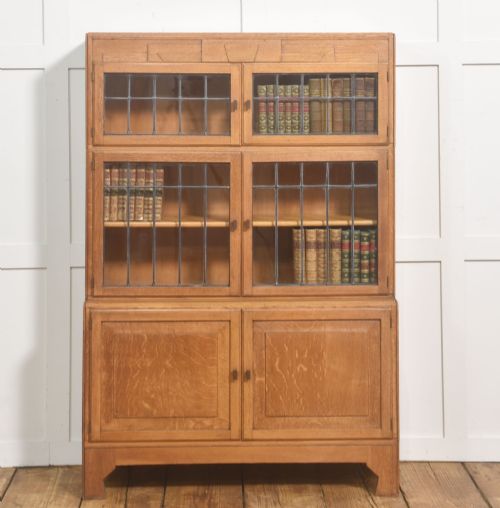
The integration of secondary materials like leaded glass, marquetry, and original brass hardware distinguishes standard utility items from pieces bearing maker attributions or specific retail labels.
Listings feature oak, limed oak, and oak veneer combined with glass, brass, leather, and fabric across pieces dated from nineteen hundred to nineteen thirty.
Heal And Son·Betty Joel·Harry And Lou Epstein·Gomme·B Cohen And Sons
The Oak Art Deco Furniture Glossary
- Limed oak
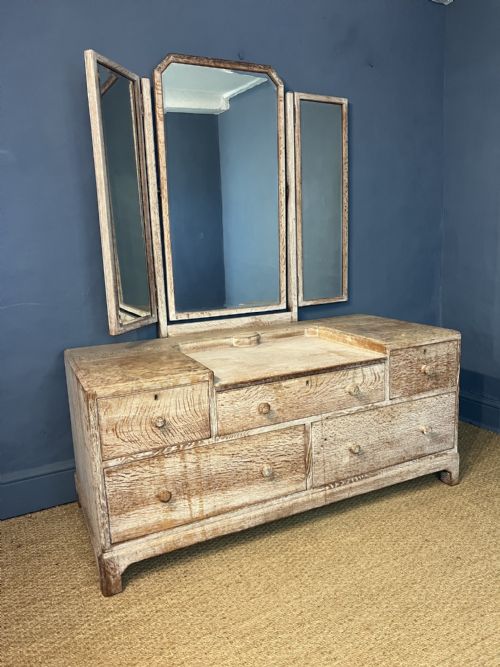
- A finishing technique applied to oak timber using a white or pale pigment to highlight the open grain and lighten the overall colour. This treatment gained popularity during the interwar decades on modern bedroom and living room suites.
- Oak veneer
- A thin layer of superior oak timber adhered to a base board of secondary wood to provide a stable, decorative surface. It allowed cabinet makers to create wide, smooth planes without the risk of warping associated with solid timber.
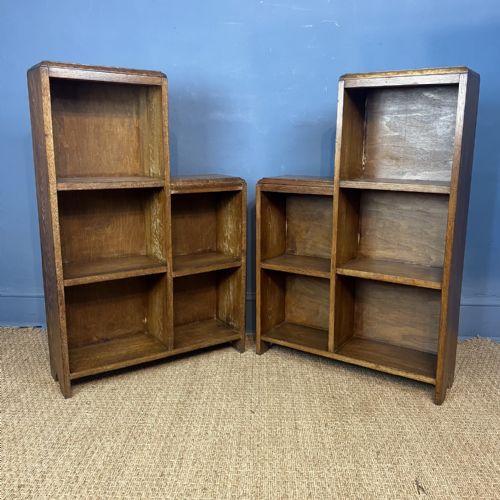
- Stepped bookcase
- A shelving unit featuring ascending or descending tiers that create a zig-zag or stepped profile. This architectural silhouette remains a defining characteristic of nineteen-thirties modernist design.
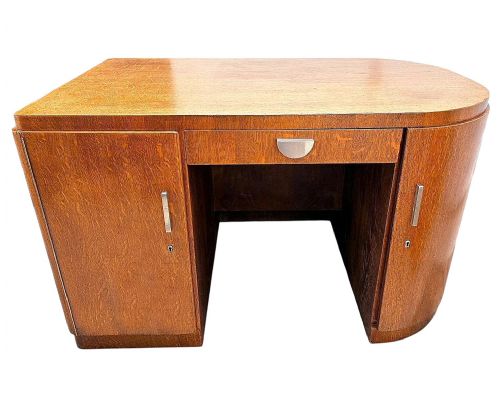
- D end desk
- A writing table finished with semicircular curved ends resembling the letter D. These pieces often permit access from multiple sides and were produced in solid or veneered oak during the modernist period.
- Marquetry
- The art of applying small pieces of veneer to a structure to form decorative patterns or pictures. In twentieth-century cabinet making, it surfaces on bedroom furniture suites to add subtle geometric contrast.
Oak Art Deco Furniture: Frequently Asked Questions
How do I identify genuine oak art deco furniture?
Authentic pieces display period characteristics such as geometric stepped forms, limed oak finishes, and modernist proportions typical of the nineteen-twenties and thirties. Look for traditional joinery methods and original hardware including brass fittings.
Examine the timber for oak veneers or solid construction consistent with British and French workshops of the interwar era. Maker labels or stamps occasionally provide direct attribution to prominent retail houses.
What rooms suit oak art deco sideboards?
Dining rooms and living spaces accommodate these substantial cabinets, which provide surface display space alongside interior shelving and drawers. Their geometric lines anchor a room while offering practical domestic storage.
Ensure adequate floor space for the substantial proportions of these oak pieces, which pair well with both period interiors and contemporary minimalist surroundings.
How should I care for limed oak surfaces?
Dust the timber regularly with a soft, dry cloth to prevent particulate buildup in the recessed grain. Avoid harsh chemical cleaners that strip the pale pigment from the oak pores.
Apply a microcrystalline wax sparingly when the timber appears dry, buffing gently to maintain the soft sheen characteristic of limed finishes from the period.
What is the difference between solid oak and oak veneer pieces?
Solid oak furniture utilises thick timber throughout the structure, offering heavier weight and uniform grain depth. These pieces withstand heavy domestic use and age with a deep patina.
Oak veneer applies a fine decorative timber layer over a stable core board, preventing warping across wide expanses like tabletops and sideboard doors while displaying sophisticated grain patterns.