



Oak Armorial Carving
An oak armorial carving brings heraldry and history directly into a room through rich wooden sculpture and hand-painted family crests.
Oak Armorial Carving
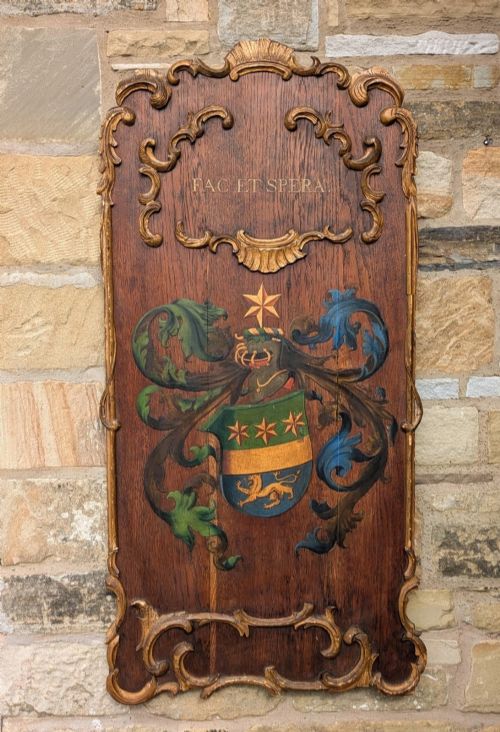
An oak armorial carving represents centuries of heraldic tradition, manifesting primarily as wall plaques, architectural salvage, and carved chairs. These pieces carry coats of arms, crests, and familial shields intended to display lineage, status, and allegiance.
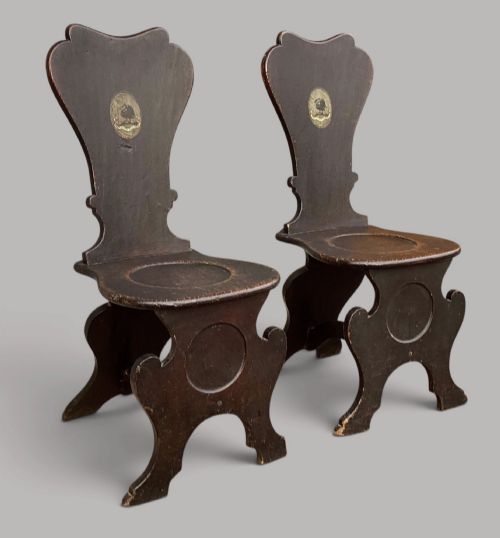
Buyers browsing this selection will most frequently encounter 19th-century interpretations alongside earlier 17th-century survivals. Forms range from freestanding hall chairs with painted backs to substantial wall sculptures and inset brass frames.
The aesthetic bridges domestic furnishing and monumental display, utilising dense timber as a canvas for lions, cherubs, and symbolic charges. Each item serves as both a functional seat or architectural element and a direct link to historical genealogy.
Materials and construction methods
Artisans carved these armorials predominantly from solid oak, occasionally utilising tiger oak or hardwood variants for added visual grain. This dense timber provided the necessary stability for deep relief carving and structural longevity.
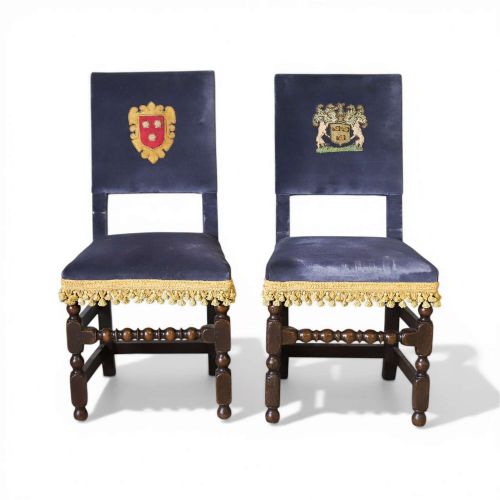
Many surfaces feature layers of paint, pigment, and gilt to accentuate the heraldic tinctures of the coat of arms. Additional detailing sometimes incorporates velvet upholstery and metallic fringe, particularly on ceremonial clan chairs.
Oak Armorial Carving Retail Price Guide 2026
Typical asking prices for oak armorial carving among the pieces listed under this phrase on Sellingantiques today, from the lower quarter to the upper quarter. They describe what is for sale here now, not the wider market.
A grinning cherub peers out from an architectural staircase panel, ensuring that ancestral heraldry retains a touch of spirited mischief.
Distinctions in quality and execution
The hierarchy of quality in these carvings rests upon the crispness of the chisel work and the anatomical accuracy of the heraldic beasts. Master carvers achieved depth and dimension that made shields and crests project dynamically from the background board.
Preservation of original polychrome paint and gilt significantly elevates the visual authority of a piece. Finer examples retain their historic pigments and integrated brass mounts without obscuring the underlying timber.
Edward Pearce·Nanninga Uitterdyke
The Oak Armorial Carving Glossary
- Armorial
- Relating to heraldry or coats of arms. It describes items decorated with familial or institutional crests and shields.
- Polychrome
- Painted or decorated in several colours. This technique brought realistic heraldic hues to carved wooden crests.
- Scabello
- A type of Renaissance chair characterised by a flat wooden seat and a high, carved back. They often feature armorial decoration on the backrest.
- Tiger oak
- Oak timber exhibiting prominent medullary rays that create a striped pattern resembling tiger skin. It is prized for its decorative grain in substantial furniture.
Oak Armorial Carving: Frequently Asked Questions
What is an oak armorial carving?
It is a wooden sculpture, plaque, or furniture element featuring a hand-carved or painted coat of arms. These pieces historically denoted family lineage, noble status, or royal allegiance.
They combine the durability of dense hardwood with intricate heraldic iconography designed to make an authoritative visual statement within a grand interior.
How were these pieces used historically?
Owners displayed them prominently in great halls, libraries, and staircases to assert family heritage and social standing. Functional items like hall chairs and settees also incorporated heraldic crests into their structural backs.
Architectural panels and wall shields served primarily as permanent displays of lineage, functioning much like physical certificates of ancestry.
How do I hang a wall plaque safely?
Given the substantial weight of solid oak and brass framing, secure wall mounting requires heavy-duty fixings anchored directly into wall studs or masonry. Professional assessment of the hanging weight ensures the panel remains secure.
Ensure the mounting hardware supports both the vertical load and the outward projection of deeply carved sculptural elements.
How do I distinguish 17th-century pieces from later revivals?
Examining the tool marks, timber shrinkage, and joinery reveals clues regarding the date of manufacture. Early pieces exhibit hand-hewn surfaces and patination developed over centuries of exposure.
Revival pieces from the 19th century often display distinct stylistic traits associated with Gothic or Carolean revivals, utilising machine-assisted precision alongside traditional carving.