





Novelty Animal Pin Cushion
A novelty animal pin cushion brings miniature silver and bronze beasts straight to the dressing table with undeniable charm.
Novelty Animal Pin Cushion
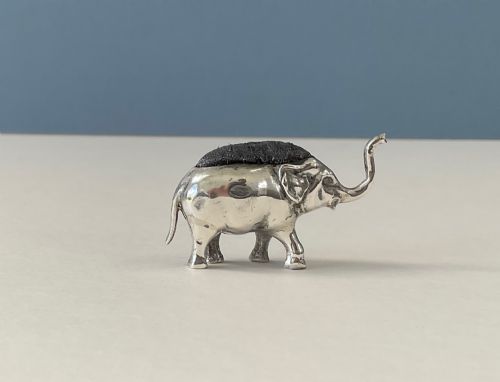
A novelty animal pin cushion combines small-scale sculptural casting with a functional sewing accessory, most frequently taking the form of silver or bronze creatures fitted with fabric or velvet pads. The selection here centres on Edwardian and Victorian examples shaped as familiar domestic animals and exotic wildlife.
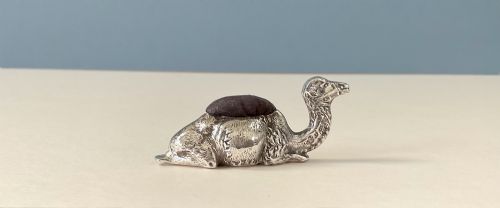
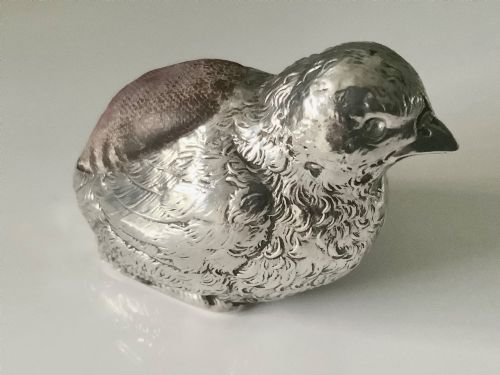
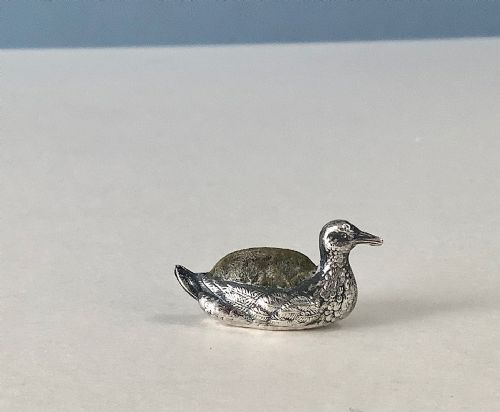
Makers fashioned these pieces to sit upon vanity surfaces and desks during the late nineteenth and early twentieth centuries. The range of animals includes dogs, birds, and farmyard figures alongside more distant beasts such as camels and kangaroos.
Edwardian interpretations dominate the available pieces, often capturing creatures in seated or recumbent poses. Each form balances the weight of cast metal against the soft insertion point for pins.
How they were made
Silversmiths and bronze founders cast these diminutive animals using traditional techniques to shape sterling silver, bronze, and glass components. Artisans then fitted coloured velvet or fabric tightly into designated hollows or recesses within the metal bodies.
Certain cold painted bronze pieces received hand-applied pigments directly onto the metal surface to create naturalistic coloration. Every creature relies on precise casting to capture posture and texture without losing the internal space required for the cushion pad.
Novelty Animal Pin Cushion Retail Price Guide 2026
Typical asking prices for novelty animal pin cushion among the pieces listed under this phrase on Sellingantiques today, from the lower quarter to the upper quarter. They describe what is for sale here now, not the wider market.
The listings span pieces from the Victorian and Edwardian periods, utilising sterling silver, bronze, and velvet.
What varies in quality
The degree of anatomical definition in the casting separates standard examples from finer sculptural works. Artisans who detailed fur, feathers, and facial expressions produced pieces with greater visual presence.
The survival and integration of the original velvet or fabric insert also influence the overall character of the piece. Well-fitted pads that complement the metal body maintain the intended proportion of the miniature.
The Novelty Animal Pin Cushion Glossary
- Cold painted bronze
- A method where bronze sculptures receive non-fired oil paint finishes. This technique allowed makers to render naturalistic animal markings.
- Recumbent
- Lying down or resting in a horizontal position. Many pig and camel cushions utilise this stable posture.
- Sterling silver
- A silver alloy containing substantial pure metal content alongside strengthening elements. This material accounts for the majority of the metal frames here.
- Edwardian novelty
- Objects produced during the reign of Edward VII that combine utility with whimsical humour. These designs frequently target domestic tabletop accessories.
Novelty Animal Pin Cushion: Frequently Asked Questions
What animals appear on these pin cushions?
The pieces span domestic dogs such as pugs and bulldogs alongside wildlife including stags, lions, foxes, and ducks. Exotic animals like camels and kangaroos also occur.
Each creature reflects the Edwardian and Victorian taste for small sculptural desk items.
Which periods do these cushions date from?
The available selection reaches back to the nineteenth century, with strong representation from the Edwardian era and the 1910 to 1920 decades.
Victorian examples also feature among the silver miniature animal forms.
What materials make up the bodies?
Sterling silver and bronze form the rigid outer structures of the animals, occasionally accented with glass elements. Velvet and fabric provide the soft surfaces for holding pins.
Some bronze pieces feature cold painted coloration applied directly to the metal.
How were these items used originally?
Owners kept them on dressing tables and sewing desks to hold pins close at hand during needlework. Their decorative animal forms ensured they remained in plain sight as ornaments.
They bridge the gap between practical sewing tools and miniature Victorian or Edwardian display pieces.