

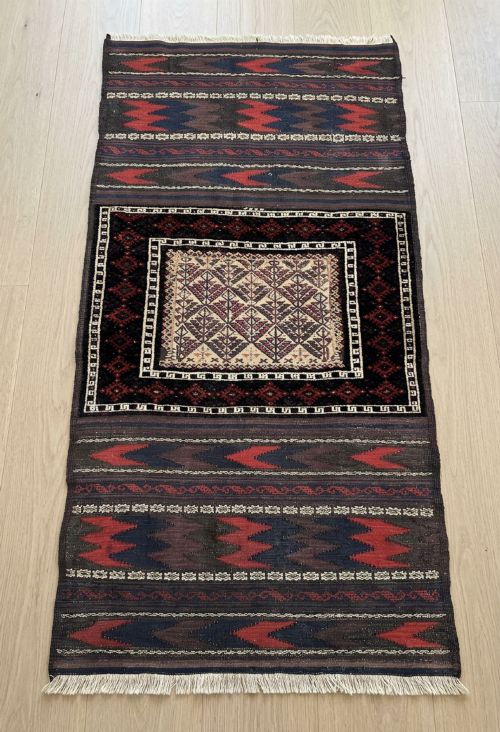
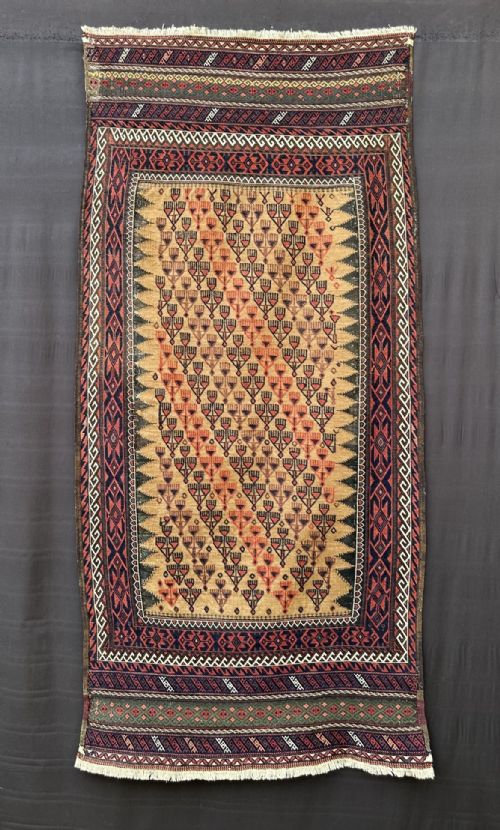
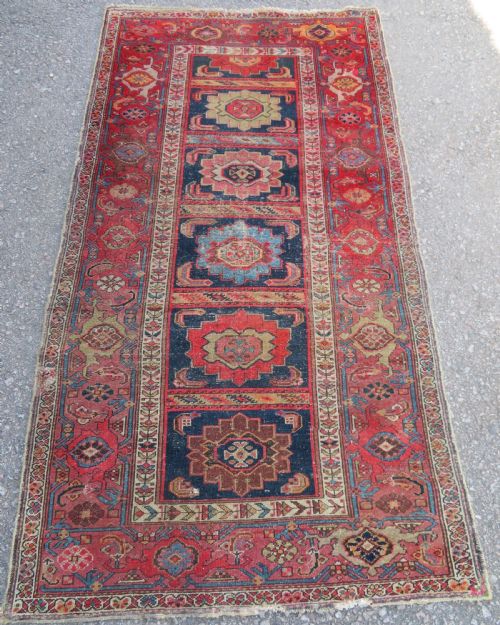


North Persian Runner
When choosing a north persian runner, you are selecting a handwoven piece of village or tribal history designed to anchor a hallway or narrow space.
North Persian Runner
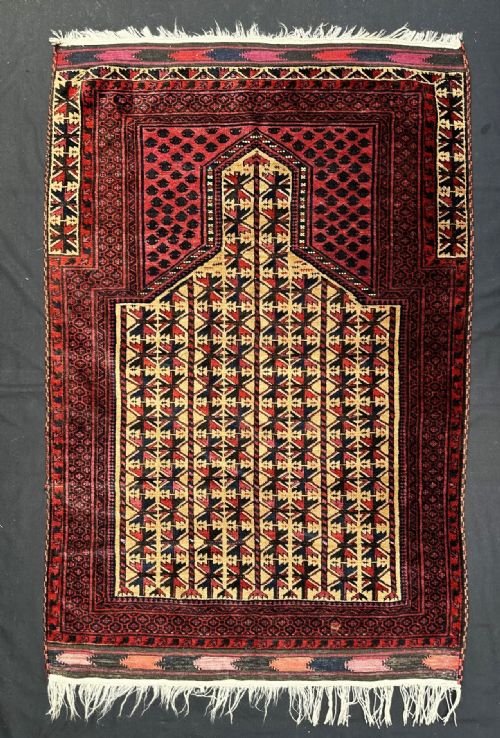
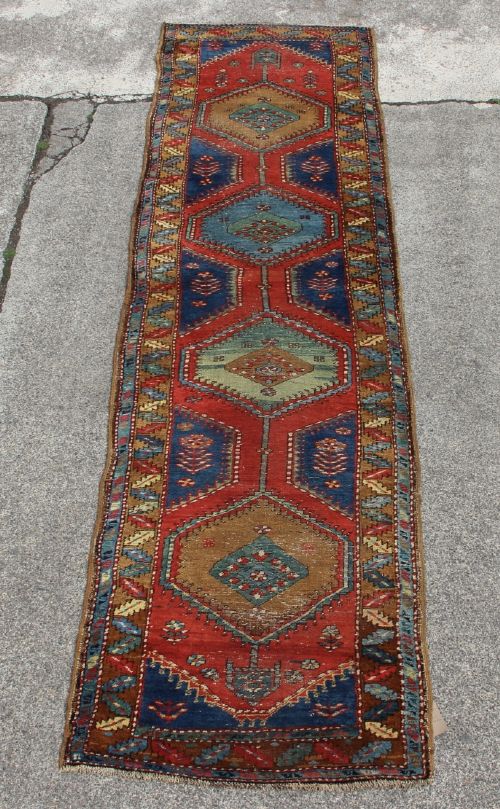
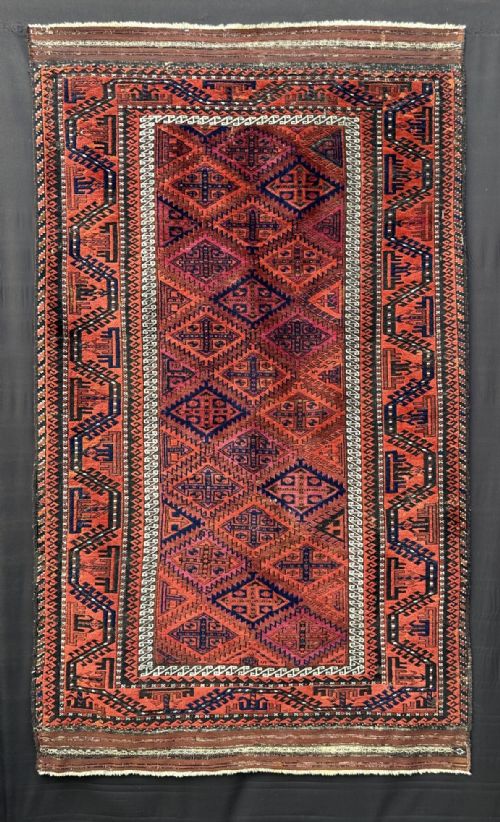
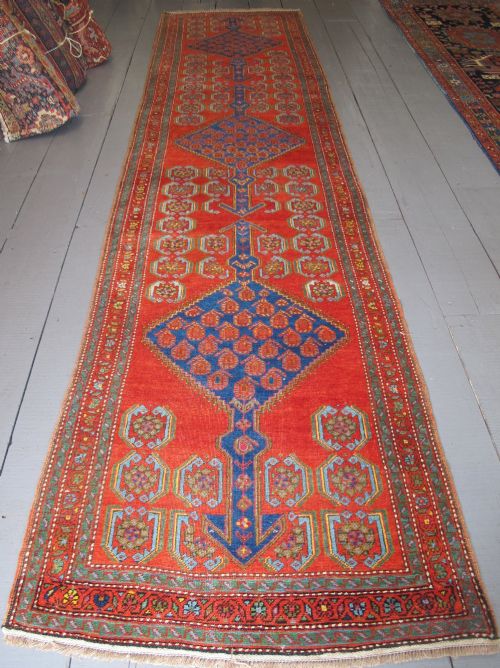
A north persian runner is a long, narrow floor covering originating from the rug-weaving villages and tribal regions of northern Persia, spanning the late nineteenth and early twentieth centuries. These pieces display diverse regional patterns, including geometric Kurdish village designs, Heriz formats, and traditional tribal motifs tailored for corridors and galleries.
The format typically presents an elongated rectangular proportion suited for narrow spaces like hallways and landings. Pieces range from fine village weaves to heavier tribal floor coverings produced across communities such as Sarab, Feraghan, and Karaja.
Makers utilised traditional regional designs passed down through generations, incorporating local iconography such as the crab pattern, stylized birds, and geometric medallions. Each carpet reflects the distinct aesthetic of the specific tribal confederation or village where it was knotted.
Materials and Construction
These textiles are constructed primarily from wool pile hand-knotted onto sturdy cotton foundations. The natural resilience of local wool provided the durability necessary for high-traffic corridors and domestic use.
Weavers employed traditional upright vertical looms, utilising hand-spun yarns dyed with natural substances derived from local plants and minerals. This foundational technique accounts for the varied patination and enduring structure of the surviving pieces.
North Persian Runner Retail Price Guide 2026
Typical asking prices for north persian runner among the pieces listed under this phrase on Sellingantiques today, from the lower quarter to the upper quarter. They describe what is for sale here now, not the wider market.
Several runners capture charming domestic moments, including tiny birds perched securely upon trees and tribal figures woven directly into the pile.
Evaluating Quality
Quality in these floor coverings rests upon the fineness of the knotting, the structural integrity of the foundation, and the balance of the overall design. Tighter knot counts generally allow for sharper geometric definition and more intricate secondary borders.
The depth and harmony of the natural dye palette also dictate value, with balanced coloration and even wear demonstrating superior craftsmanship. Pieces exhibiting clear tribal motifs and stable wool foundations represent the upper tier of the selection.
Waring and Gillow
The North Persian Runner Glossary
- Runner
- A long, narrow carpet format specifically proportioned for hallways, corridors, and stairs. This shape places emphasis on repeating central medallions or continuous border patterns.
- Sofreh
- A flatwoven or pile-knotted spread traditionally used for domestic dining or food preparation among tribal groups. These items frequently display distinctive tribal iconography.
- Kelleh
- A large format rug that is longer than it is wide, though typically broader than a standard corridor runner. It functions as a principal floor covering for main rooms.
- Feraghan
- A specific weaving region known for producing finely knotted carpets featuring intricate floral and Herati patterns. These items often incorporate dense, balanced borders.
- Heriz
- A stylistic origin associated with geometric village weaving, characterised by bold angular medallions and robust structures. The designs display a distinct architectural strength.
North Persian Runner: Frequently Asked Questions
Where should I place a runner?
These narrow floor coverings suit high-traffic transitional spaces such as hallways, entryways, and gallery landings where length is required. They add warmth and visual structure to otherwise empty floors.
Ensure you use an appropriate underlay to prevent slipping and to protect the vintage foundation from excessive friction against hard flooring.
How do I clean an antique rug?
Gentle surface brushing and careful vacuuming without a rotating beater bar help maintain the wool pile. Professional specialist cleaning is recommended for deep maintenance.
Avoid exposing the natural dyes to harsh chemical detergents or excessive moisture during routine maintenance.
What is a tribal village design?
Village and tribal designs originate from non-urban weavers working within specific regional communities or nomadic confederations. These patterns rely on memory, local flora, and geometric interpretations rather than formal urban workshop cartoons.
Such patterns often feature idiosyncratic details, asymmetrical motifs, and vibrant expressions of local culture.
How can I tell the age of a runner?
Age is determined by assessing the structure, the nature of the wool, the palette of the natural dyes, and stylistic indicators such as border motifs and weaving density. Nineteenth-century pieces often display softer wool patination and organic dye variations.
Comparing structural construction methods helps differentiate late nineteenth-century examples from early twentieth-century village production.