






Nordic Sideboard
A nordic sideboard brings northern European craftsmanship and painted finishes straight into the dining room or hall.
Nordic Sideboard
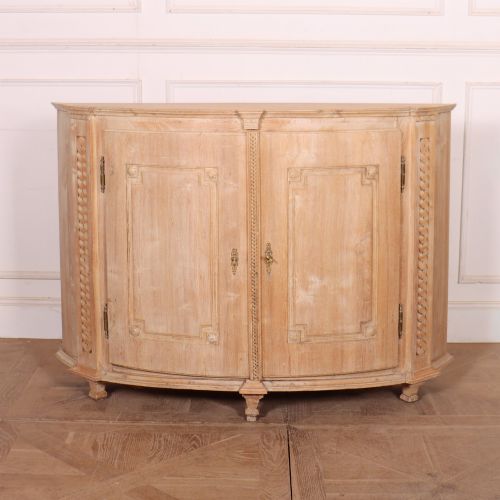
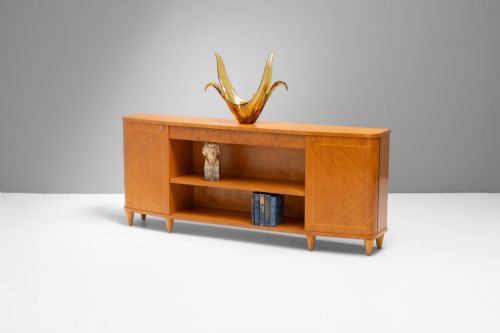
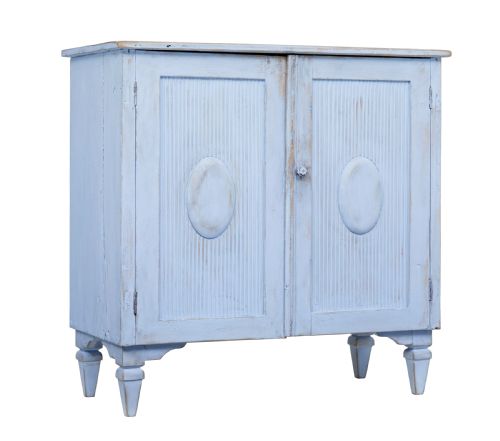
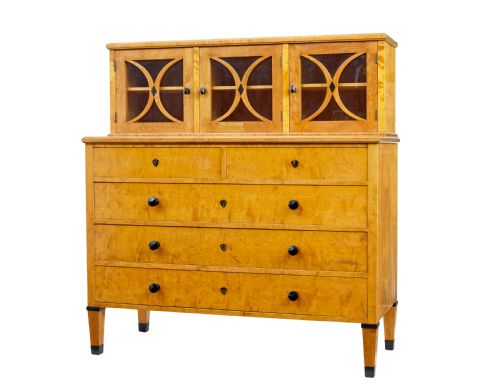
A nordic sideboard encompasses regional European storage forms from the nineteenth century and the nineteen-thirties, ranging from austere painted commodes to refined birch buffets. When searching for a nordic sideboard, buyers encounter robust pieces rooted in Scandinavian country, Gustavian, Swedish Grace, and Art Deco traditions.
Painted finishes and light timbers dominate the offerings, showing how northern workshops utilised local resources. Buyers frequently meet Swedish and Scandinavian pieces designed to brighten darker interiors.
How they were made
Constructed primarily from pine and birch, these items often feature flame birch or satinwood veneers on more formal nineteenth-century and nineteen-thirty examples. Workshops applied layered paint over pine, sometimes later scraped to reveal earlier colour, alongside natural wood polishing.
Hardware typically consists of brass handles and escutcheons, complemented by iron structural elements where necessary. Cabinetmakers combined traditional joinery with decorative applied mouldings to define styles from Scandinavian country to Art Nouveau.
Nordic Sideboard Retail Price Guide 2026
Typical asking prices for nordic sideboard among the pieces listed under this phrase on Sellingantiques today, from the lower quarter to the upper quarter. They describe what is for sale here now, not the wider market.
Listings span three distinct eras: nineteenth-century pieces, items from nineteen hundred, and nineteen-thirty designs.
What varies in quality
Quality rests on the integrity of the timber, the subtlety of the painted surface, and the handling of regional stylistic details. Pieces with original scraped paint or finely figured flame birch sit at a different level of refinement compared to plain utility storage.
Proportion and execution define the distinction between rustic country furniture and sophisticated urban movements like Swedish Grace and Art Deco. Better examples retain their original brass or iron fittings and clean internal joinery.
The Nordic Sideboard Glossary
- Gustavian
- The Swedish neoclassical style spanning the late eighteenth and early nineteenth centuries, characterised by restrained carving and pale painted finishes. It influenced later nineteenth-century regional cabinetmaking.
- Swedish Grace
- A refined architectural and decorative style prominent around nineteen-thirty that combined classicism with modernist simplification. It produced elegant birch sideboards and cabinets.
- Flame birch
- A distinctive wood grain pattern displaying flickering, flame-like figures, frequently utilised for veneers on nineteenth-century and Art Deco Scandinavian furniture. It adds considerable visual movement to the surface.
- Commode
- A low cabinet or chest of drawers designed for domestic storage, often standing on legs in nineteenth-century Scandinavian interiors. The term covers various decorative painted and polished forms.
Nordic Sideboard: Frequently Asked Questions
What is a nordic sideboard?
A nordic sideboard is a storage piece originating from northern Europe, encompassing painted cupboards, birch buffets, and cabinets from the nineteenth century and the nineteen-thirties. These pieces combine practical storage with distinct regional design traditions.
They serve as focal points in dining rooms and living spaces, offering surface display area alongside enclosed shelving or drawers.
How do I identify a Swedish Grace piece?
Swedish Grace items date around nineteen-thirty and blend classical restraint with early modernism. They often feature blonde woods like birch and clean, understated geometric lines.
Unlike heavier rustic country furniture, these pieces emphasise proportion, smooth polished surfaces, and subtle decorative restraint.
Are painted finishes original on these sideboards?
Many pieces feature original layered paint or historic scraped paint surfaces applied to pine or softwoods. These finishes reflect traditional Scandinavian methods for brightening dark rooms.
Examining the paint layers and wear patterns helps determine whether the surface finish dates to the period of manufacture.
What woods were used in Scandinavian furniture?
Pine and birch form the primary structural timbers for the vast majority of these regional sideboards and cupboards. Finer examples utilise flame birch and satinwood veneers for decorative impact.
Iron and brass frequently appear as structural supports and decorative hardware, complementing the light-toned wood bodies.