




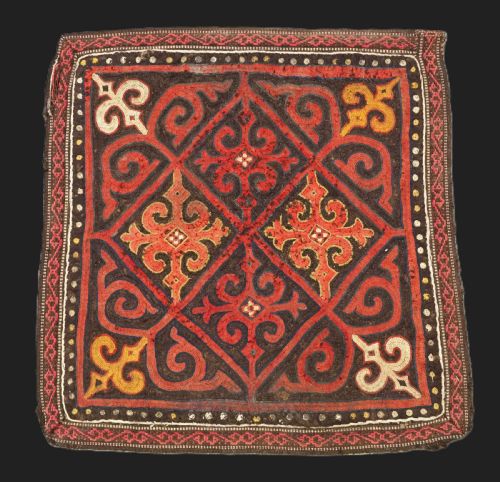


Nomadic Wall Tapestry
When you search for a nomadic wall tapestry, you are looking at utilitarian tribal textiles adapted for display from nineteenth-century Central Asia and Persia.
Nomadic Wall Tapestry
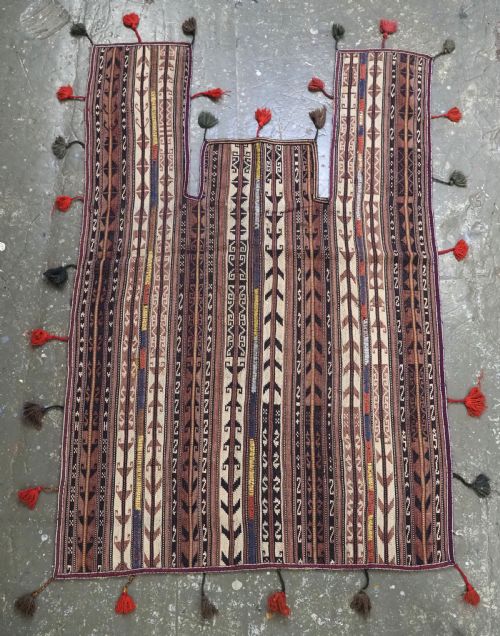
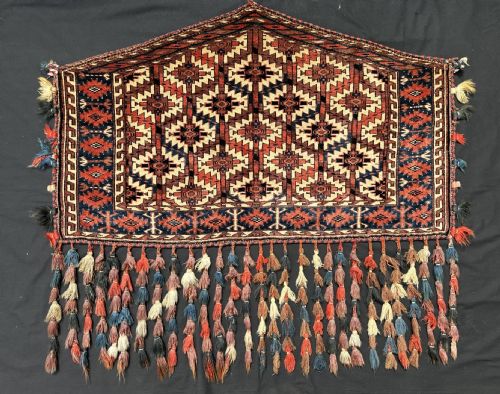
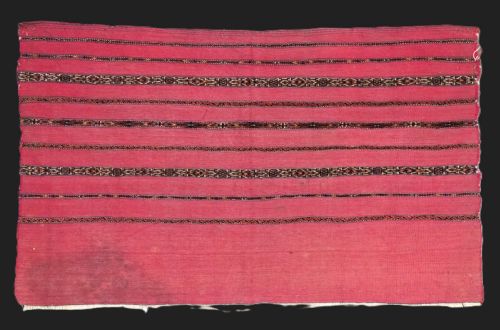
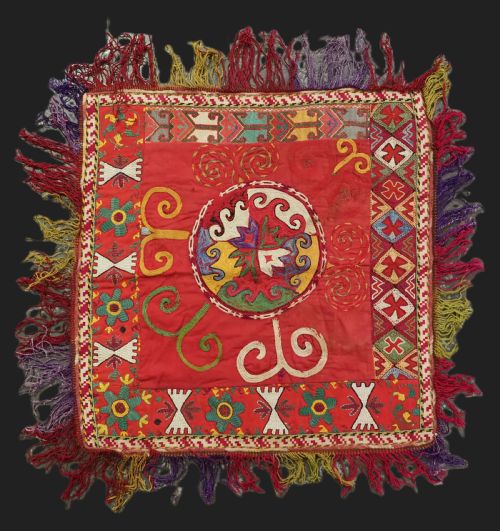
A nomadic wall tapestry covers a diverse group of woven and embroidered artefacts originally created for practical household use by tribal groups across Central Asia, the Caucasus, and Persia. These pieces include asmalyks, chuval faces, dowry embroideries, storage bagfaces, and tent bands produced during the nineteenth and early twentieth centuries.
The objects most frequently met on this page span the 1850s to the 1920s, reflecting the material culture of tribes such as the Turkmen, Shahsavan, Uzbek, and Qashqa'i. Many items began life as functional containers, horse covers, or yurt furnishings before transition to wall hangings due to their striking graphic patterns.
Materials and Technique
Construction relies primarily on natural wool, cotton, and felt, frequently enhanced with silk embroidery threads and natural dyes. Artisans utilised flatweave, soumak, and pile techniques to build durable structures designed to withstand the rigours of nomadic existence.
Specialised regional methods include the intricate needlework of Kyrgyz tush kyiz panels and Uzbek ilgiches, alongside the precise supplementary weft-wrapping found in Shahsavan bag faces and Turkmen storage pieces.
Nomadic Wall Tapestry Retail Price Guide 2026
Typical asking prices for nomadic wall tapestry among the pieces listed under this phrase on Sellingantiques today, from the lower quarter to the upper quarter. They describe what is for sale here now, not the wider market.
Several horse blankets and camel trappings on this page originally travelled thousands of miles across the steppes before finding their way onto modern walls.
Evaluating Quality
Quality rests upon the fineness of the weave, the complexity of the tribal guls or motifs, and the clarity of the natural dye palette. Pieces exhibiting tight knotting or precise needlework demonstrate superior workshop skill and material selection.
Condition and completeness also govern the standing of an example, particularly whether original hanging loops, borders, and selvedges remain intact. The vibrancy of the wool and silk fibres dictates visual impact upon display.
The Nomadic Wall Tapestry Glossary
- Asmalyk
- A ceremonial pentagonal trapping produced by Turkmen tribes, traditionally hung on the flank of a bride's camel during wedding processions. These items exhibit elaborate geometric guls.
- Chuval
- A large storage bag face made by Turkmen nomads, featuring repeating primary motifs known as guls. Surviving fragments are frequently mounted for display as wall textiles.
- Soumak
- A flatweave technique involving supplementary weft-wrapping that creates a durable fabric with a braided texture on the face and loose threads on the reverse. It is common in Shahsavan and Caucasian pieces.
- Sofreh
- A spread or cloth used for meals or bread-making among Persian and Afghan nomadic groups. They display minimalist tribal designs and robust flatweave construction.
Nomadic Wall Tapestry: Frequently Asked Questions
What is a nomadic wall tapestry?
These items are authentic tribal textiles, such as dowry embroideries, storage bags, and tent bands, created by nomadic groups in Central Asia and Persia.
They were repurposed from everyday or ceremonial objects into wall hangings to showcase traditional regional weaving and needlework.
How do I hang a textile safely?
Mounting requires weight to be distributed evenly across the textile using a fabric sleeve or conservation-grade velcro stitched to the reverse. This prevents distortion of the wool or cotton foundation over time.
Direct sunlight should be avoided to protect natural dyes from fading.
Are these pieces from the nineteenth century?
The inventory on this page dates predominantly from the mid-nineteenth century through the early twentieth century. Pieces from this era reflect traditional nomadic life before commercial dyes and industrial looms became widespread.
Age is identified through material analysis, dye characteristics, and structural wear.