



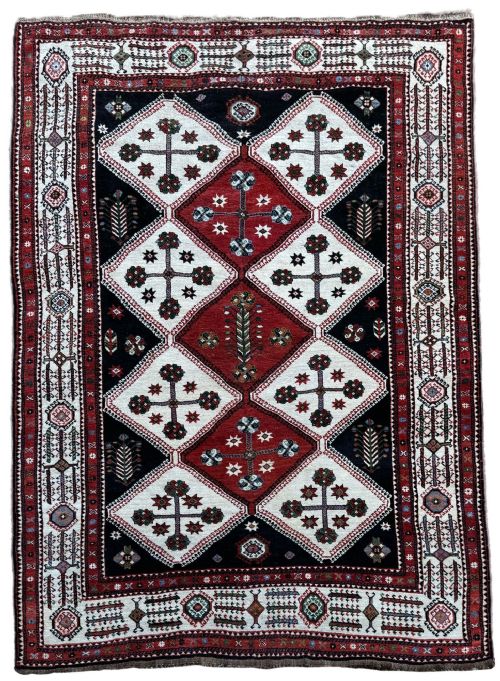
Nomadic Tribal Wool Rug
When choosing a nomadic tribal wool rug, you select a piece of tangible history woven by tribal weavers across Persia, Central Asia, and the Caucasus.
Nomadic Tribal Wool Rug
A nomadic tribal wool rug encompasses hand-woven floor coverings, smaller storage bags, prayer rugs, and ceremonial horse blankets originating from various tribal groups and confederacies. These textiles span periods from the mid-nineteenth century through to the early twentieth century, reflecting the utilitarian and cultural needs of pastoral communities.
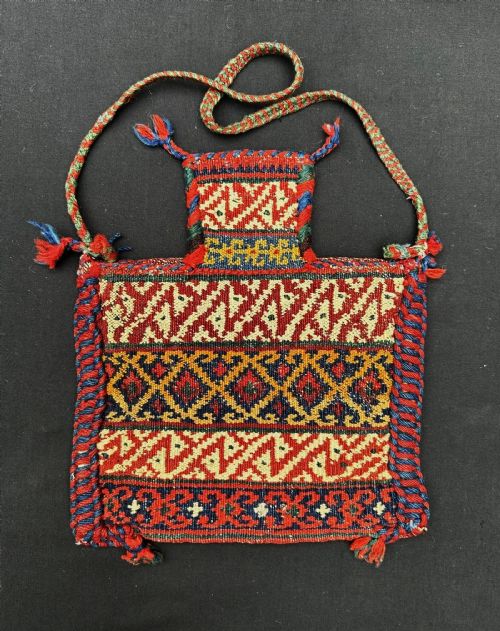
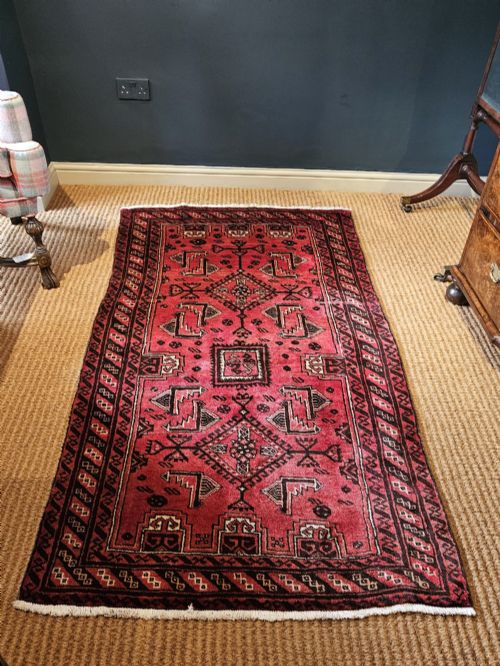
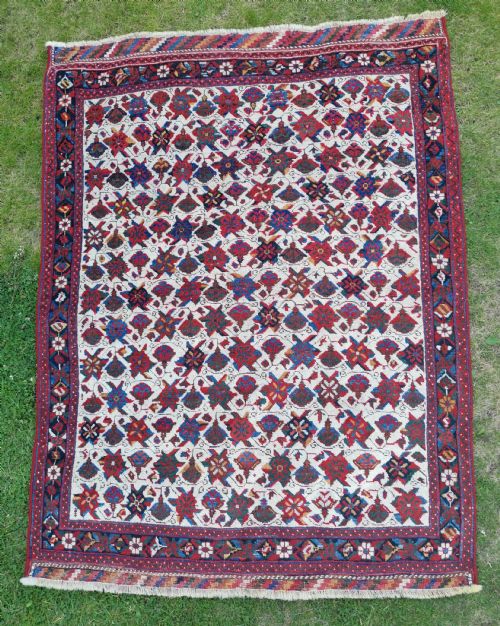
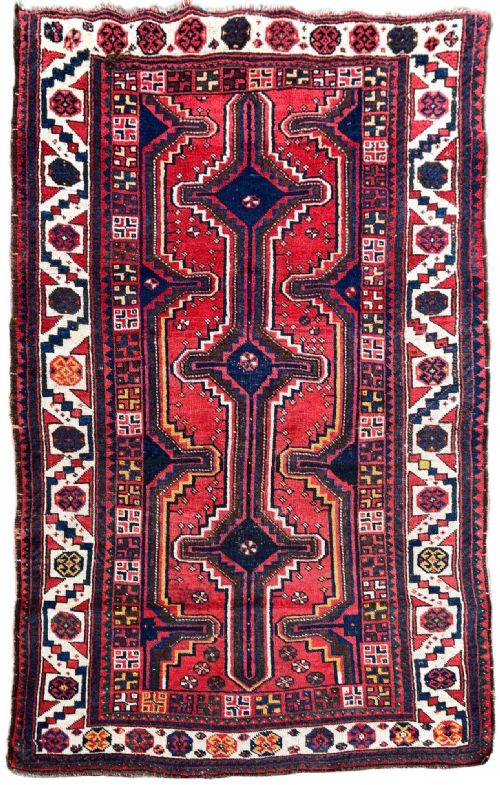
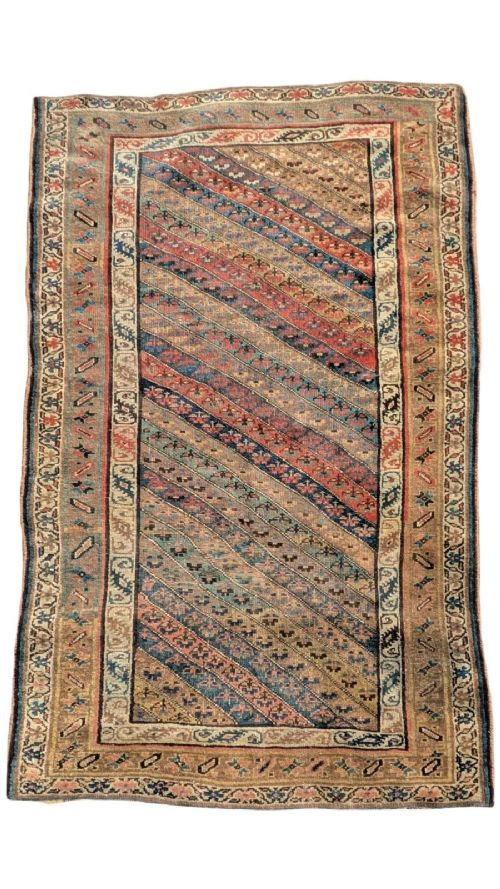
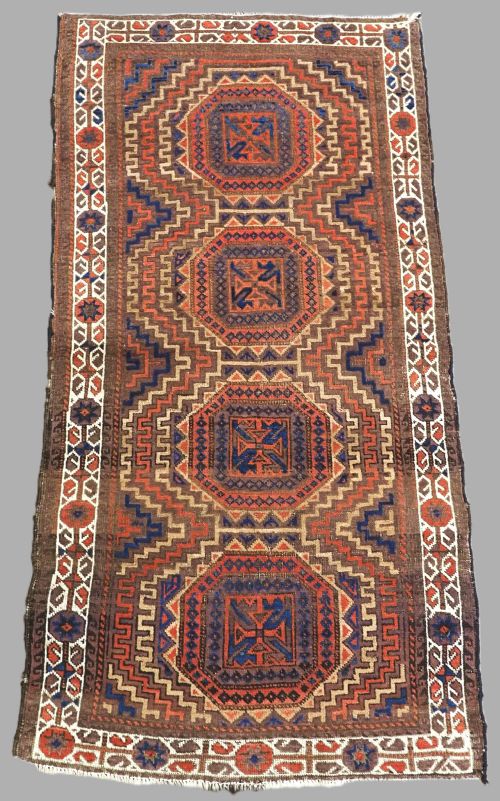
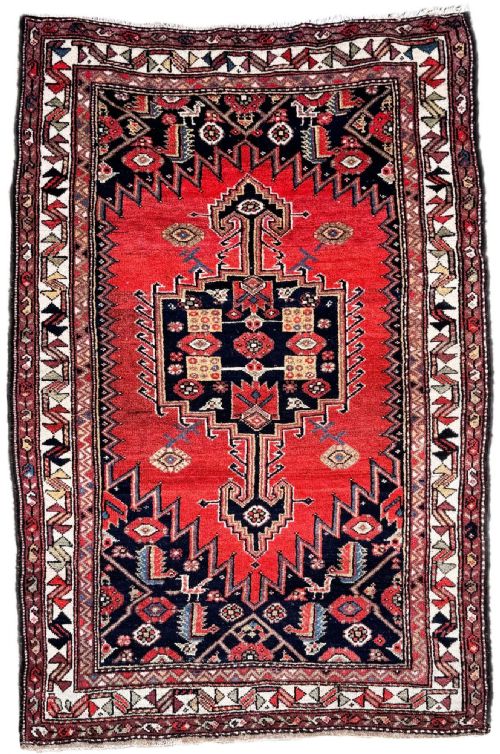
The versions most commonly met on this page include smaller utilitarian bagfaces, saddle bags, and area rugs produced by groups such as the Baluch, Khamseh, Qashqai, Afshar, and Turkmen tribes. Rather than static decorative items, these objects served practical functions in daily nomadic life, from transporting belongings to flooring tents.
The geographical origins stretch across specific regions including the Fars province of Persia, Turkmenistan, and Uzbekistan. Each piece bears regional design vocabularies, from the geometric guls of Turkmen carpets to the intricate motifs of Caucasian and Afghan weaves.
How they were made
The foundational structure relies heavily on hand-spun wool, often paired with cotton threads for foundations or supplementary details, alongside occasional uses of felted wool and silk. Weavers utilised natural dyes to achieve deep, enduring hues across the pile and flatweave surfaces.
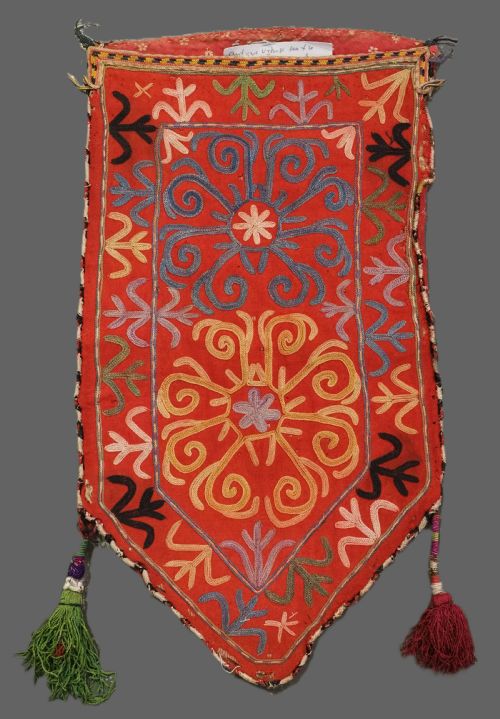
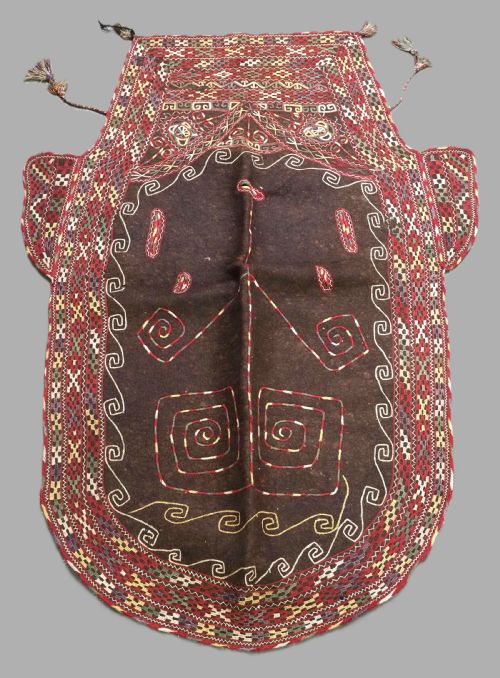
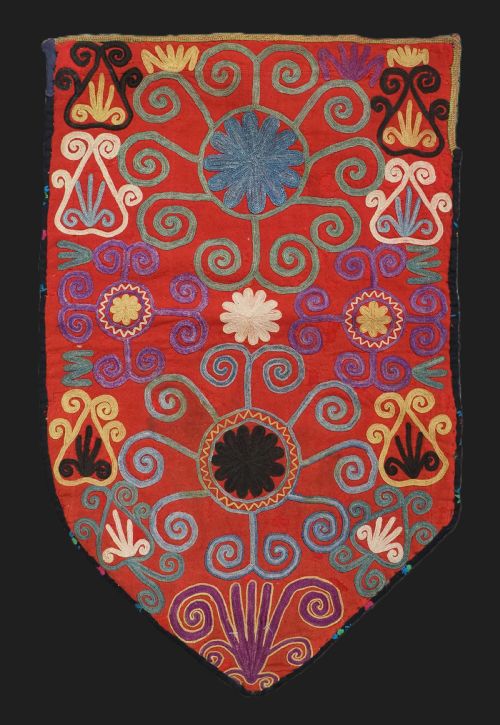
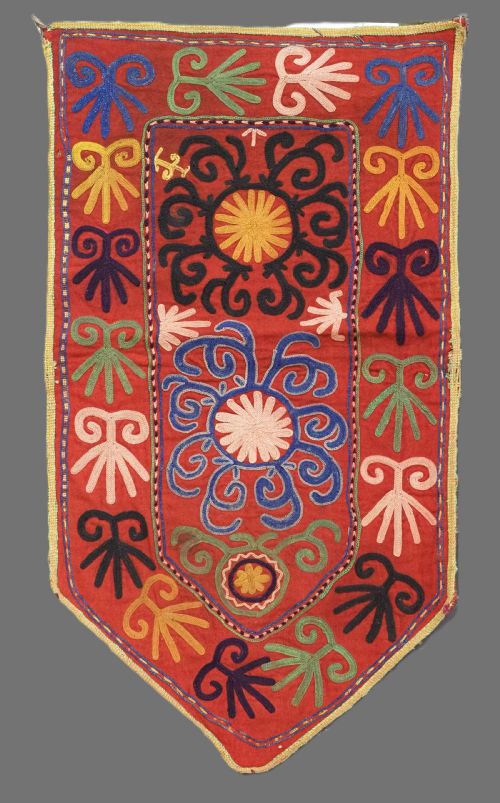
Techniques varied from pile knotting on carpets and rugs to intricate embroidery on ceremonial horse blankets and utilitarian storage items such as uut kap ilgich. Artisans constructed these pieces manually on portable horizontal looms suited to a mobile way of life.
Materials recorded across the inventory include pure wool, hand-spun wool, cotton, silk, felted wool, and natural dyes.
What varies in quality
The distinction in quality rests upon the tightness of the weave, the clarity and depth of the natural dyes, and the integrity of the structural wool. Finer examples display precise execution of traditional motifs and resilient pile construction that withstands centuries of handling.
Artistic expression also dictates distinction, with masterfully balanced tribal symbols, such as large guls or mihrab designs, demonstrating superior compositional skill. The consistency of the hand-spun wool and the preservation of original edges and end finishes further separate standard utilitarian items from exceptional survivals.
The Nomadic Tribal Wool Rug Glossary
- Gul
- A primary octagonal medallion motif frequently found in Turkmen and Central Asian tribal weaving. These repeated design elements often identify specific tribal lineages.
- Jollar
- A Turkmen tent-hanging bag used for storage inside a yurt. These wide, flatwoven or piled bags display distinctive regional guls.
- Asmalyk
- A ceremonial pentagonal trapping hung on the flank of a bride's camel during Turkmen wedding processions. They are prized for their specialised symbolic imagery.
- Tacheh
- A large square storage container or bread cover produced by Lori-Bakhtiari nomads. These pieces combine flatweaving techniques with decorative pile work.
Nomadic Tribal Wool Rug: Frequently Asked Questions
What is a tribal rug?
A tribal rug is a hand-woven textile created by nomadic or semi-nomadic peoples for personal use, trade, or dowries, rather than in urban workshop settings.
These pieces use traditional motifs passed down through generations, reflecting the specific cultural identity and environment of the weavers.
How do I identify a Baluch rug?
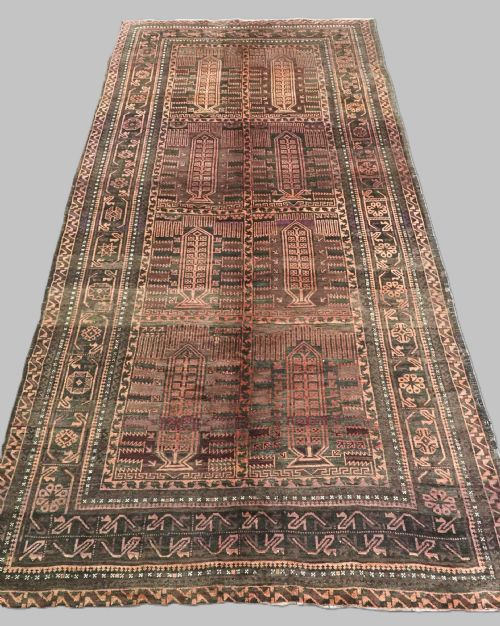
Baluch rugs typically feature deep indigo, brown, and madder red tones with geometric or stylised tree-of-life motifs. They often incorporate camel hair in the dark brown areas, which naturally degrades over time.
Originating from nomadic groups spanning the borderlands of Iran, Afghanistan, and Pakistan, these rugs are usually smaller in format, such as prayer rugs or bagfaces.
Where were Turkmen carpets made?
Turkmen carpets were produced by various tribes inhabiting the steppes and oases of Central Asia, including regions of modern-day Turkmenistan and Uzbekistan.
Tribes such as the Yomut, Teke, and Ersari lived a pastoral life, weaving heavy wool carpets characterised by distinct repeated guls and rich red colour palettes.
How should I care for an antique wool rug?
Antique wool rugs require gentle, regular vacuuming without a beater bar to remove embedded dust without damaging the fragile historical fibres. Professional cleaning specialised in antique textiles should be utilised periodically to preserve the natural lanolin in the wool.
Keeping the rug out of direct sunlight prevents the natural dyes from fading, ensuring the longevity of the piece in a modern interior.