
Nomadic Tribal Wall Hanging
A nomadic tribal wall hanging brings tactile warmth and historical resonance into a room through authentic tribal textile art.
Nomadic Tribal Wall Hanging
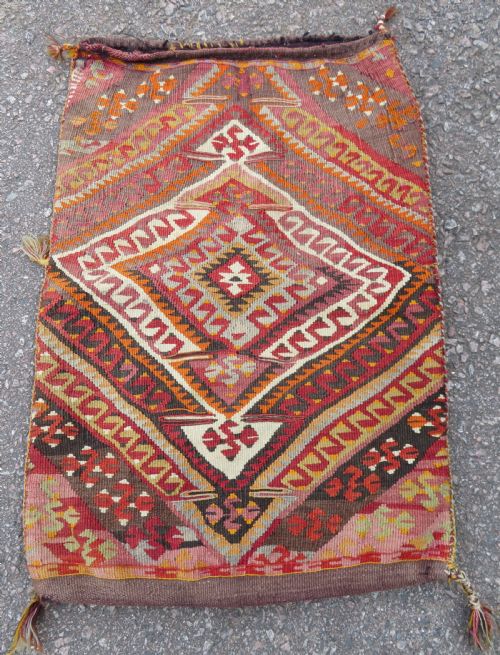
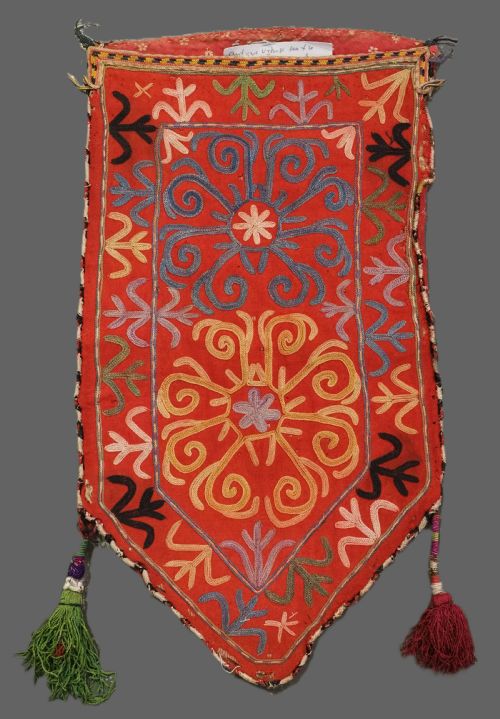
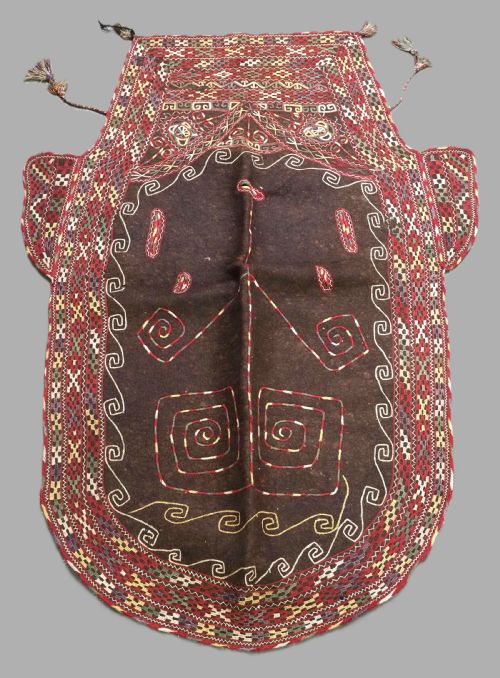
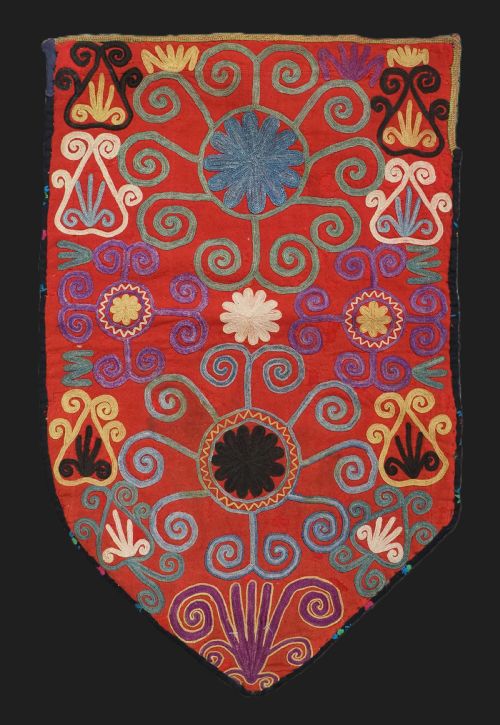
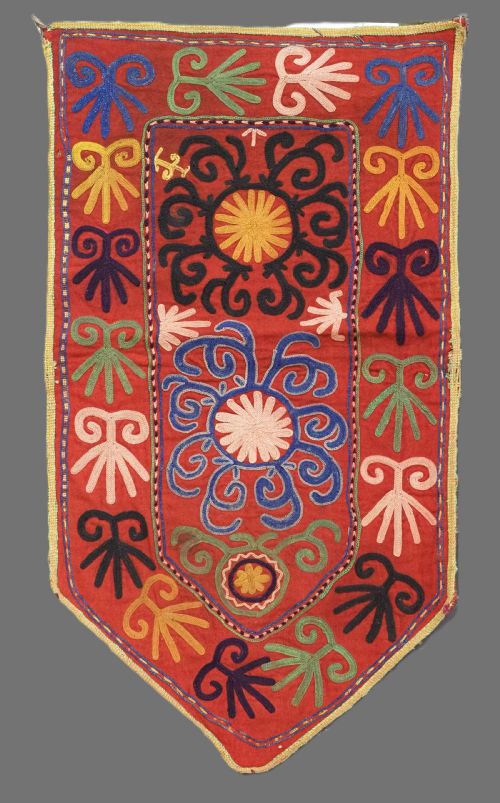
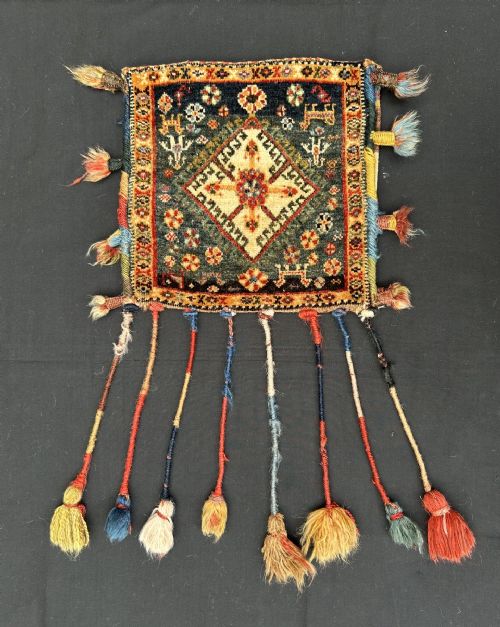
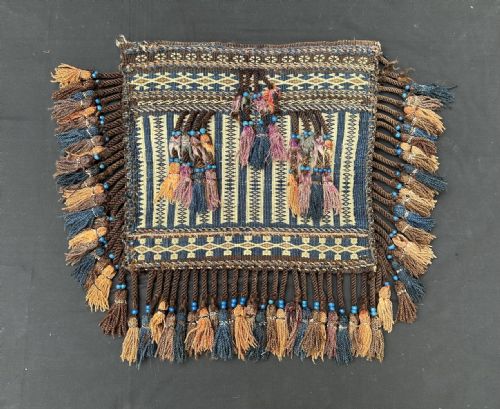
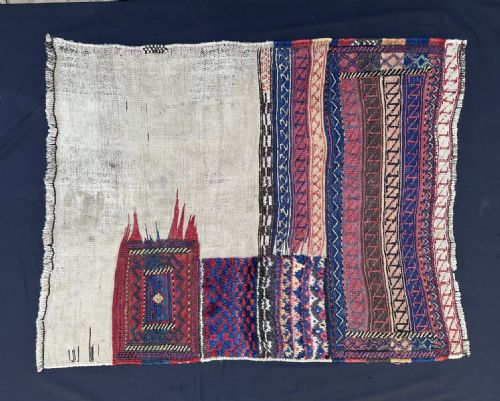
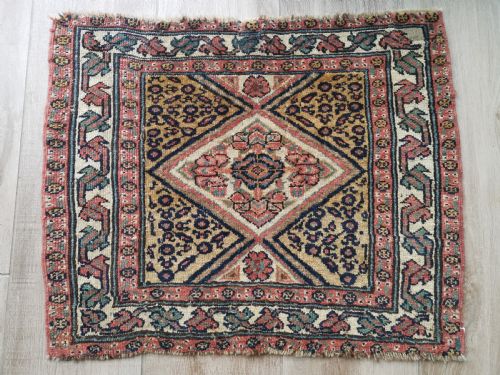
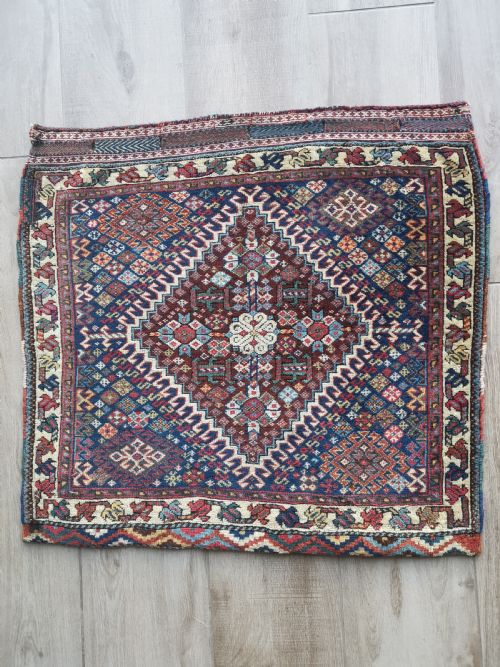
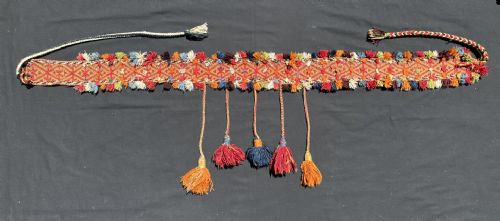
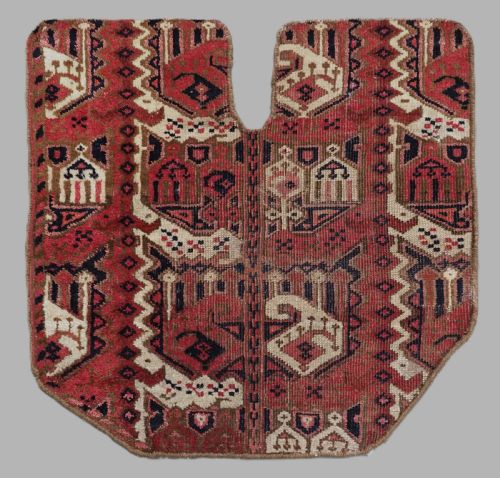
A nomadic tribal wall hanging encompasses various functional textiles transformed into decorative displays, including dowry embroideries, bagfaces, and animal trappings originating from Persia, Afghanistan, and Central Asia.
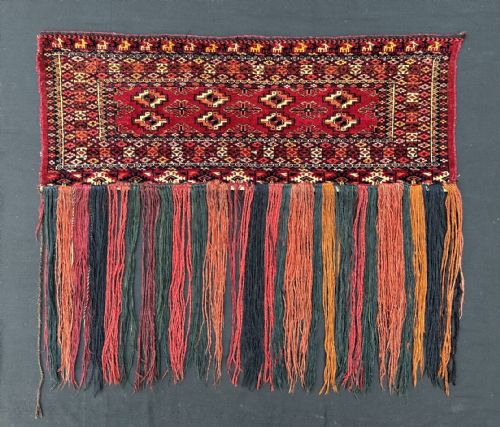
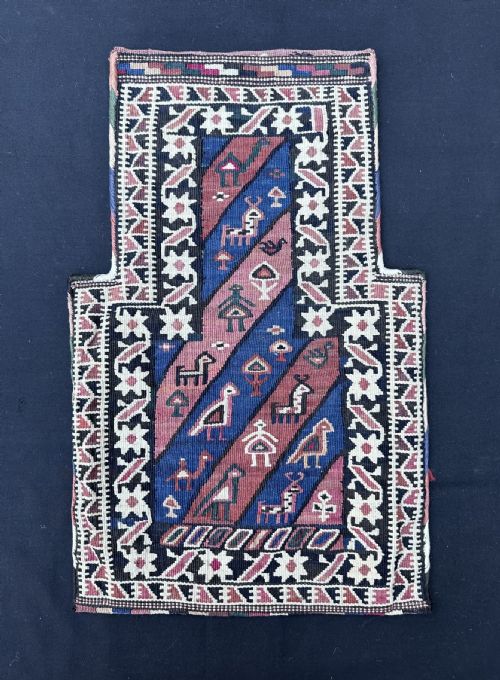
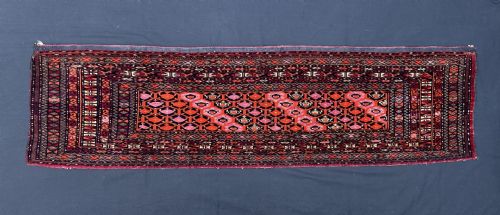
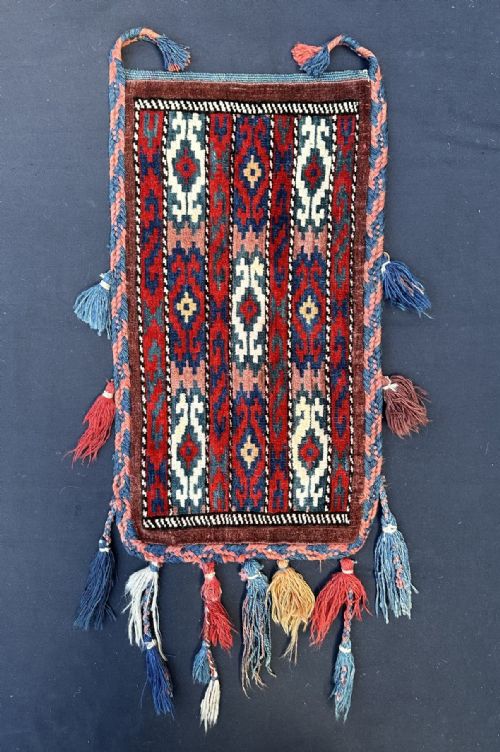
The versions most commonly encountered on this page include utilitarian objects repurposed for interior display, such as Uzbek Lakai ilgichs, Turkmen torbas, and Persian saddle covers.
These items originate from diverse tribal confederacies and nomadic groups, reflecting the distinct cultural expressions and textile traditions of regions like Fars, Khorassan, and the Trans-Caspian steppes.
Materials and Construction
Weavers utilised hand-spun wool, cotton, and occasionally silk, structuring the textiles with durable foundations and intricate pile or flatweave surfaces.
Makers integrated natural dyes to achieve rich colour palettes, while specific items like ceremonial blankets and rugs incorporate felted wool and detailed cotton thread embroidery.
Several bags retain their original dust, whispering tales of dusty tents and camel rides across Central Asian steppes.
Assessing Quality and Execution
Quality reveals itself through the tightness of the weave, the precision of geometric or figurative motifs, and the depth of natural dye colours.
The preservation of original elements, such as tassels, structural backs, and complex embroidery stitches, distinguishes finer examples from standard specimens.
The Nomadic Tribal Wall Hanging Glossary
- Ilgich
- Uzbek dowry embroidery created for wall hanging purposes. These textiles display energetic needlework executed by the Lakai tribe.
- Torba
- A small Turkmen storage bag face. Makers utilised these horizontally proportioned pieces inside tents before repurposing them as wall displays.
- Sofreh
- A flatwoven spread utilised for kneading and serving bread. Nomadic weavers produced these textiles in distinctive square or rectangular formats.
- Chuval
- A large Turkmen storage bag face. Teke and Ersary weavers decorated these functional items with repeating guls.
Nomadic Tribal Wall Hanging: Frequently Asked Questions
What is a nomadic tribal wall hanging?
These pieces originate as functional nomadic items such as storage bags, animal trappings, and dowry embroideries produced across Persia, Afghanistan, and Central Asia.
Over time, collectors and decorators adapt these durable textiles for display on interior walls to showcase traditional tribal artistry.
How were these textiles used originally?
Nomadic groups utilised these woven and embroidered pieces for daily domestic storage, transporting goods, and outfitting horses and camels during migrations.
Many items also served ceremonial functions within the tribe, marking significant cultural events like weddings and communal gatherings.
How do I hang a textile safely?
Mounting requires careful weight distribution to prevent stress on the antique wool, cotton, or felt foundations.
Conservators often recommend professional conservation mounting using Velcro systems or sleeved cotton supports stitched along the top edge.
How are tribal regions identified?
Attribution relies on studying the specific structural patterns, wool types, colour palettes, and motif arrangements unique to each confederacy.
Weavers from groups such as the Yomut, Teke, Qashqa'i, and Uzbek Lakai left distinct stylistic signatures within their work.