
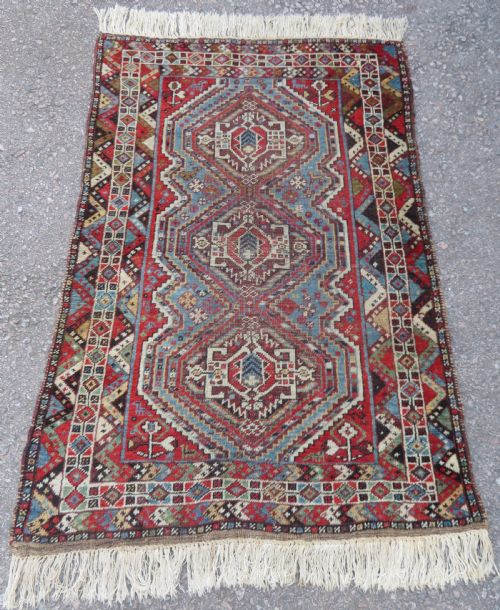
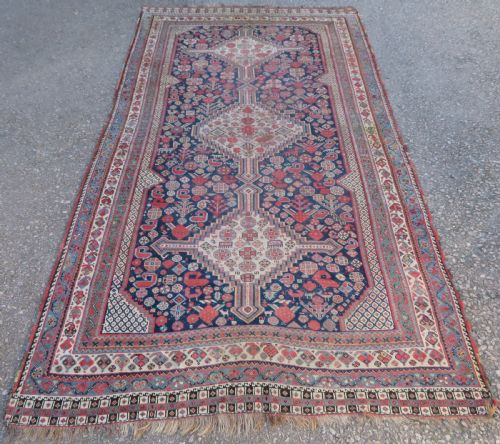
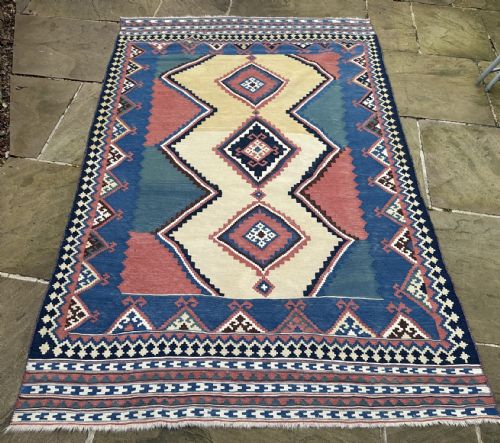
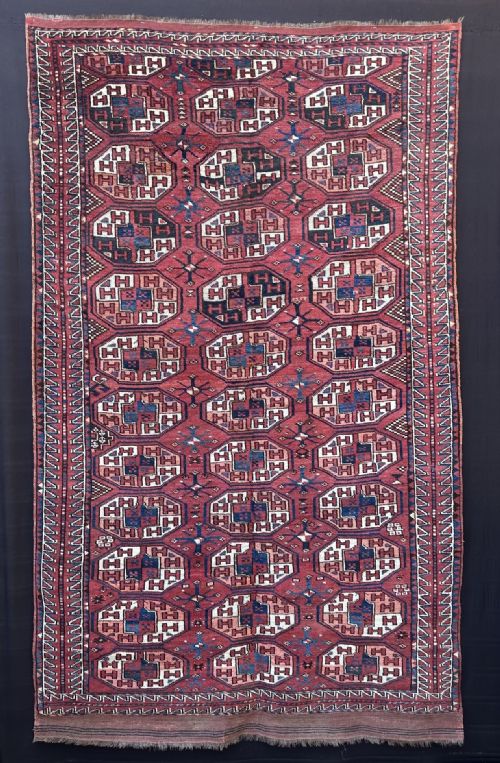


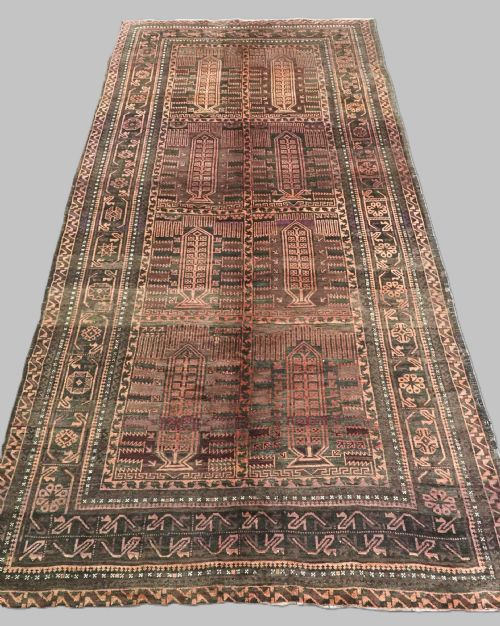
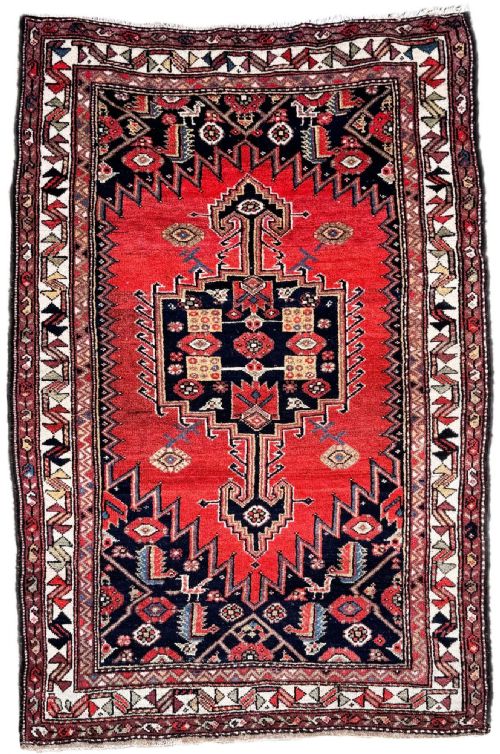
Nomadic Tribal Area Rug
When you search for a nomadic tribal area rug, you are looking for hand-woven village and tribal floor coverings made across Central Asia and Persia.
Nomadic Tribal Area Rug
A nomadic tribal area rug is a woven floor covering produced by tribal confederacies, village weavers and nomadic groups across Persia, Central Asia and the Caucasus. These textiles served practical purposes in tents and village homes, functioning as ground covers, bedding bags, prayer rugs and tent trappings.
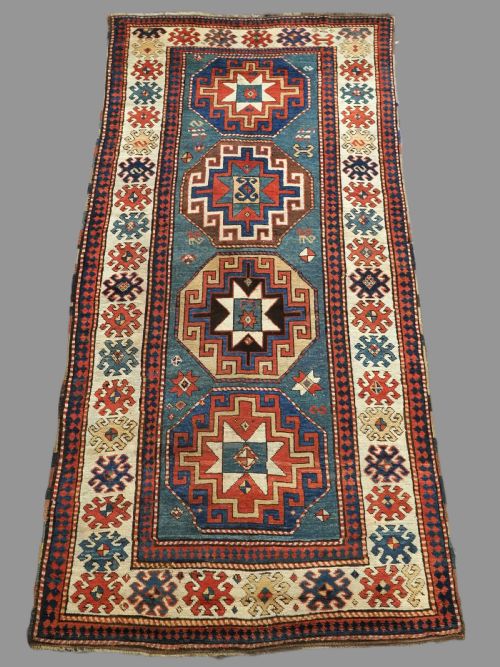
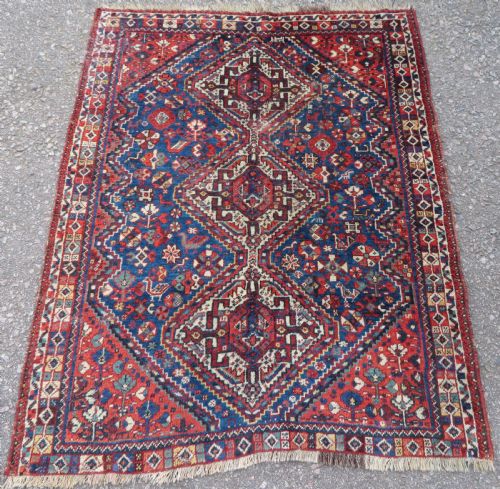
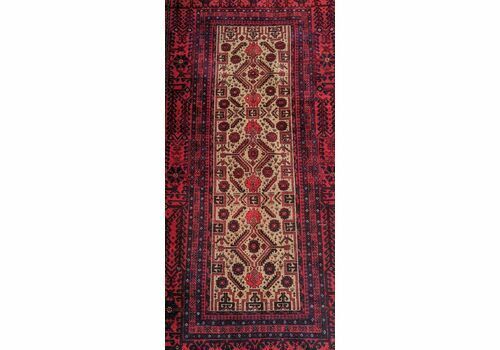
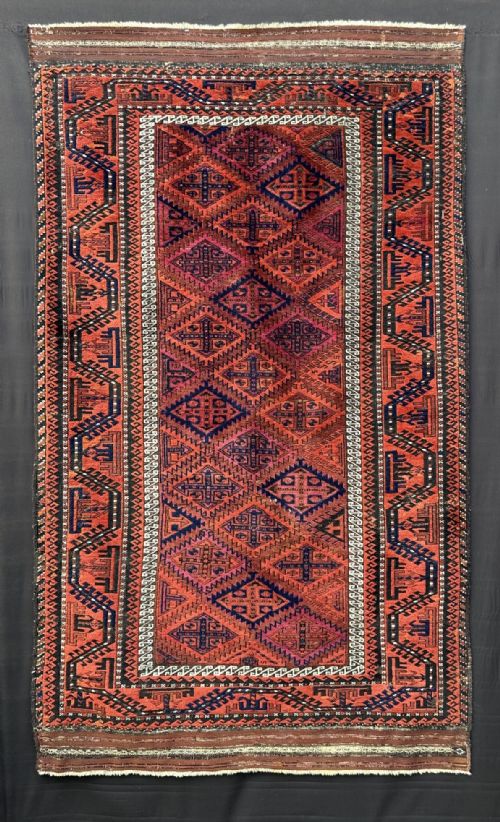
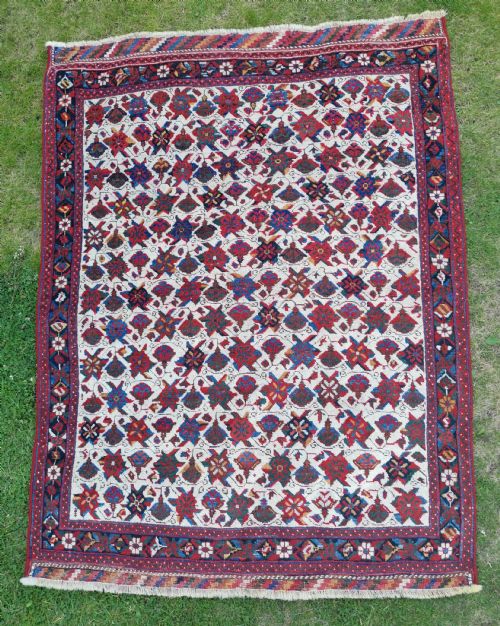
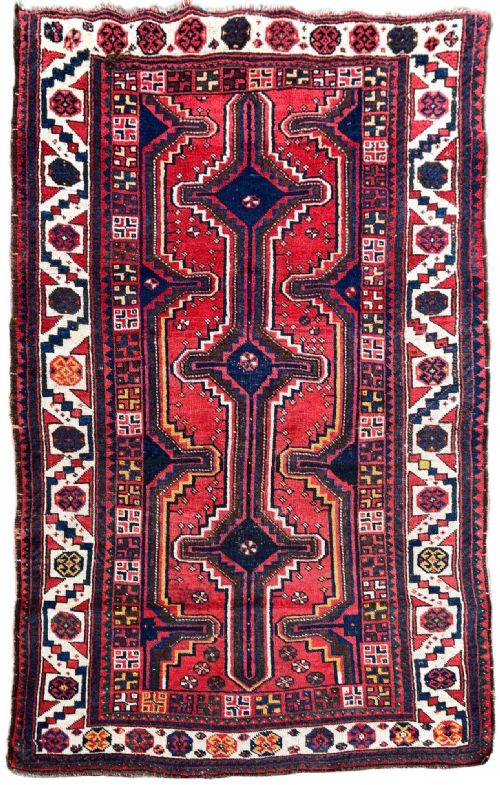
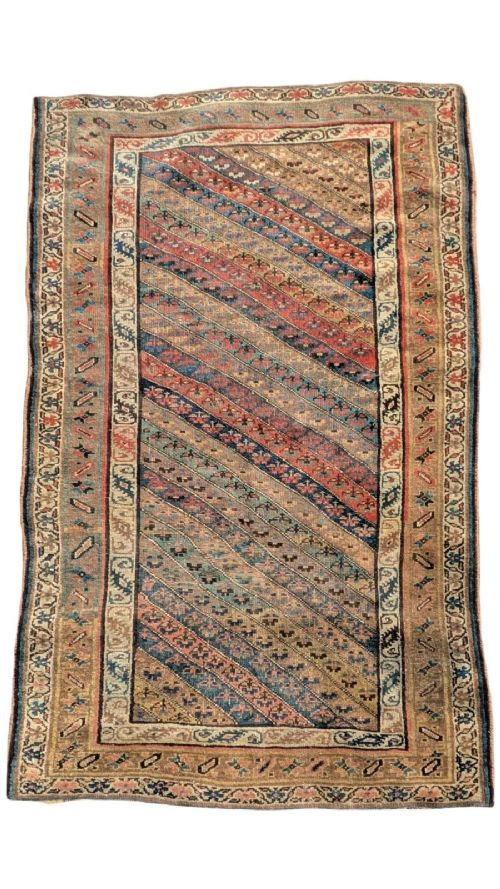
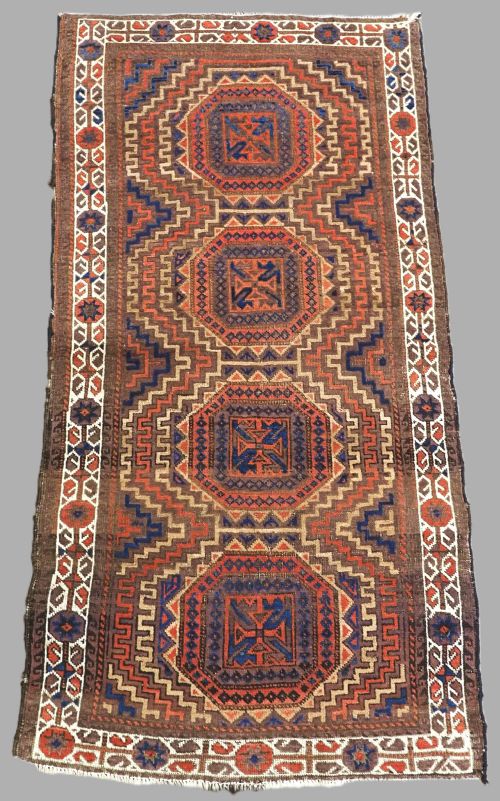
The most common examples on this page hail from specific tribal groups including the Khamseh, Afshar, Baluch, Lori, Kurdish, Turkmen and Qashqai weavers. Pieces span the nineteenth century and the early decades of the twentieth century, reflecting the traditional weaving patterns of their respective regions.
Formats range from small prayer rugs and runner rugs to larger carpets and square sofres, each displaying the distinct geometric motifs, medallions and tribal guls associated with the makers.
Materials and construction
These textiles are constructed primarily using wool and cotton foundations, with hand-spun wool utilised for the pile. The employment of natural dyes gives these floor coverings their characteristic palette, which deepens and softens over time.
Weavers utilised traditional hand-weaving techniques on horizontal ground looms set up in camps or upright village looms. The resulting pile is knotted tightly by hand, securing the wool yarns to the warp and weft threads.
Many a nomadic weaver tucked small personal symbols into the corners of a carpet, ensuring the rug remembered the hand that tied it.
Distinctions in quality
Quality rests upon the fineness of the knotting and the handling of the wool. Tighter foundation weaves and denser pile knotting indicate greater durability and precision in executing intricate geometric motifs.
The vibrancy and depth of the natural dyes separate standard examples from superior ones. Purity in the dye stuffs yields rich, saturated tones that age gracefully across the surface of the carpet.
The Nomadic Tribal Area Rug Glossary
- Gul
- An octagonal medallion motif frequently repeated across Turkmen and Baluch tribal carpets. This pattern serves as a tribal emblem for specific weaving groups.
- Sofre
- A flat-woven or pile-woven spread utilised during meals or for processing flour within nomadic households. These textiles often feature distinct field designs separate from standard floor rugs.
- Prayer rug
- A small format textile defined by a mihrab niche at one end, indicating the direction of prayer. Weavers produced these for personal devotion within nomadic camps.
- Kapunuk
- A decorative tent door hanging produced by Turkmen tribes to frame the interior entrance of a yurt. These horseshoe-shaped trapping textiles display specialised horizontal layouts.
- Warp
- The stationary vertical threads stretched onto a loom before weaving begins. The fringe of the rug forms from these parallel foundation cords.
Nomadic Tribal Area Rug: Frequently Asked Questions
What is a nomadic tribal area rug?
A nomadic tribal area rug is a hand-knotted textile created by tribal groups and village weavers for daily domestic use. They reflect the cultural symbols and regional patterns of their makers.
These pieces include prayer rugs, main carpets, tent door hangings and runner formats produced across Persia and Central Asia.
How do I identify different tribal styles?
Tribal styles reveal themselves through specific colour palettes, structural proportions and recurring motifs like guls or medallions. For instance, Afshar and Khamseh pieces often display distinct geometric arrangements rooted in southern Persian traditions.
Examining the weave density and material choices helps connect a textile to its originating region or tribal confederacy.
Where were these rugs made?
These textiles originated in the camps and villages of Central Asia, the Caucasus and Persia. Nomadic groups moved seasonally across these landscapes, carrying their upright or horizontal looms with them.
Regions like Fars Province, Khorassan, and Turkmenistan nurtured distinct weaving traditions passed down through generations.
How do I live with an antique tribal rug?
Living with these textiles involves placing them in low-to-moderate traffic areas where their natural wool pile can withstand normal daily use. Using an appropriate underlay prevents slipping and cushions the foundation against hard floors.
Gentle vacuuming without a rotating brush roll keeps the hand-spun wool clean while protecting the historical structure.