



Nomadic Pillow Face
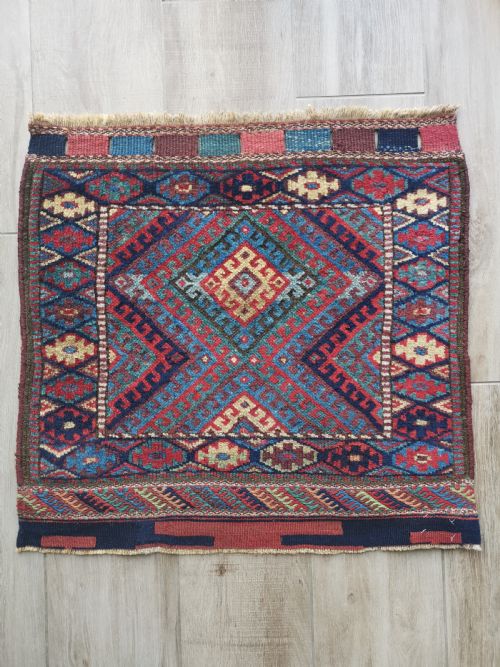
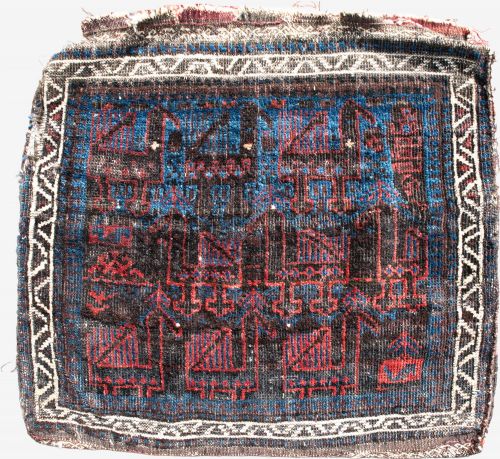
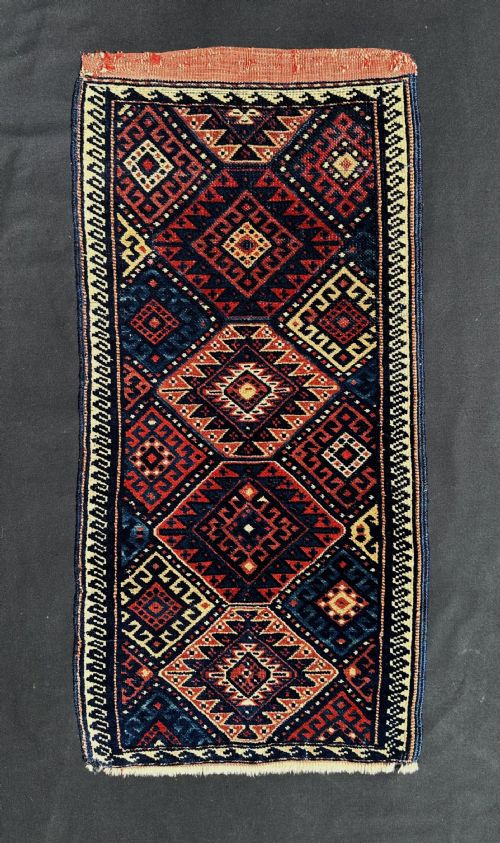
These nomadic pillow face textiles are authentic tribal weavings brought down from the loom to serve as cushions and bags in daily camp life.
Nomadic Pillow Face
A nomadic pillow face represents the functional artistry of tribal weavers from Persia, Central Asia, and surrounding regions during the nineteenth and early twentieth centuries. These pieces originate from distinct groups including Baluch, Yomut Turkmen, Qashqa'i, and Kurdish tribes.
Most examples encountered here take the form of bagfaces, balishts, torbas, and small cushions converted from larger saddlebags and storage pieces. They display the characteristic compact proportions and dense patterning developed for domestic use inside tents and dwellings.
The materials and structures reflect traditional pastoral life, utilising hand-spun wool and natural dyes worked into pile or flatweave surfaces. They connect directly to the nomadic heritage of the makers through traditional tribal motifs.
Evaluating quality and handling
Quality rests on the fineness of the weave, the clarity of the tribal motifs, and the depth of the natural dyes. Tightly knotted structures and precise geometric execution distinguish superior examples from simpler utilitarian work.
The condition of the wool and the completeness of the original design field determine desirability. Pieces retaining their original backing or structural integrity hold greater visual and historical coherence.
Nomadic Pillow Face Retail Price Guide 2026
Typical asking prices for nomadic pillow face among the pieces listed under this phrase on Sellingantiques today, from the lower quarter to the upper quarter. They describe what is for sale here now, not the wider market.
Listings span from the mid nineteenth century to the early twentieth century, featuring wool, cotton, and natural dyes across tribal bag faces.
The Nomadic Pillow Face Glossary
- Balisht
- A traditional tribal pillow or small bag face used for domestic comfort. These portable weavings were easily packed and transported during seasonal migrations.
- Torba
- A small storage bag produced by Turkmen and other nomadic groups for tent organisation. They typically feature banded designs or characteristic tribal guls.
- Mafrash
- A rectangular storage container or bedding bag face woven by nomadic tribes. These pieces display intricate flatweave or pile techniques across the front panel.
- Gul
- A repeating medallion or floral motif central to Turkmen and related tribal designs. Each pattern often identifies the specific weaving group or tribe.
Nomadic Pillow Face: Frequently Asked Questions
How were these tribal pieces used?
Nomads utilised these woven pieces inside their tents for storing grain, bedding, and personal belongings during daily life and seasonal travel.
Over time, many bag faces were converted into cushions or preserved as portable examples of tribal weaving traditions.
How do I care for wool cushions?
Protect antique wool textiles from direct sunlight and moisture to preserve the natural dyes and fibres over years of display.
Gentle surface cleaning and appropriate backing help maintain the structural integrity of these historic fabric pieces.
How do I identify tribal origins?
Tribal attribution relies on specific colour palettes, structural materials, and repeating geometric motifs unique to groups like the Baluch or Yomut.
Comparing the knotting style and design vocabulary helps connect a weaving to its specific regional workshop or nomadic community.