


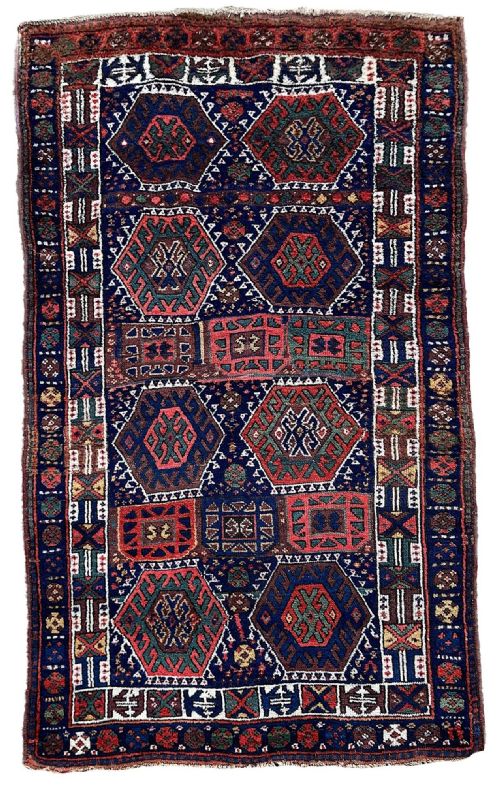


Nomadic Kurdish Rug
A nomadic kurdish rug brings intense tribal geometry and rich wool into a room through work woven across nineteenth and early twentieth century communities.
Nomadic Kurdish Rug
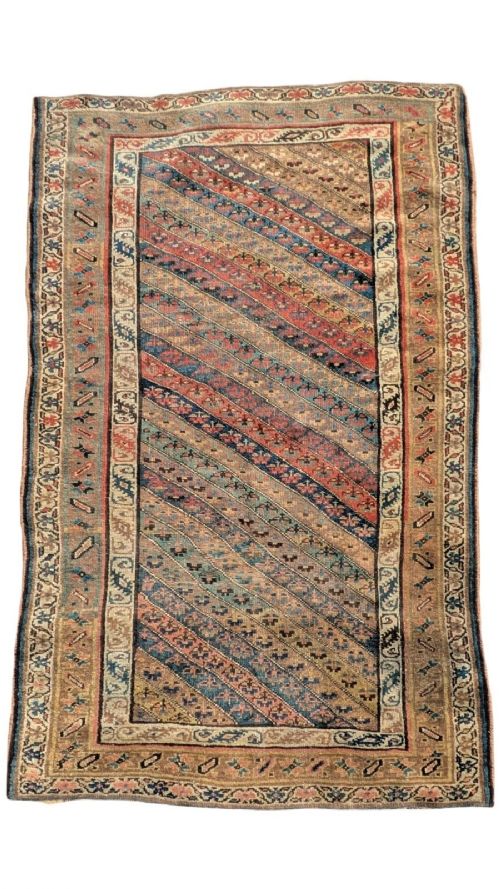
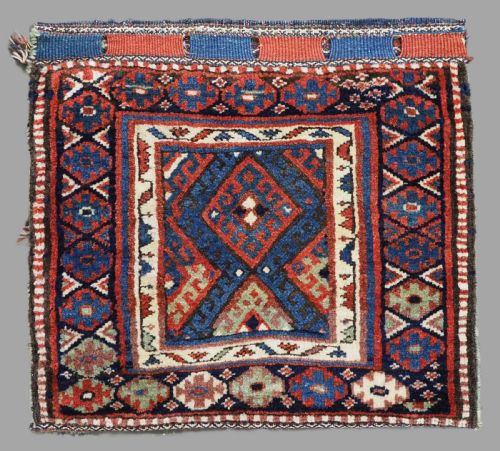
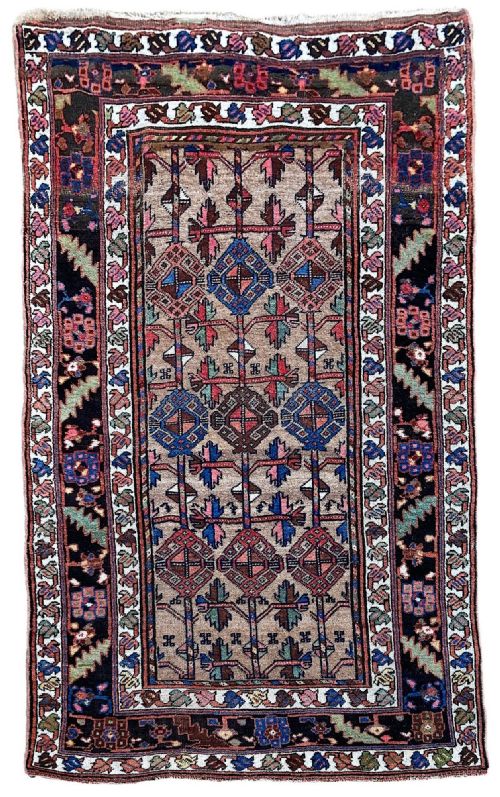
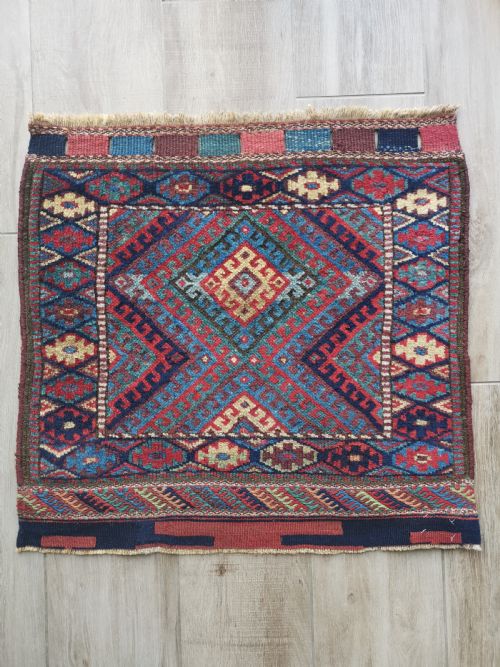
When you search for a nomadic kurdish rug, you encounter hand-knotted and flat-woven pieces originating from tribal groups spanning regions such as East Anatolia, Persia, and the Caucasus. These textile forms range from full room runners and long carpets to smaller utility items including saddlebag faces, wheat sacks, and complete bags with plain weave backs.
The versions most commonly met on this page date from the late nineteenth century up to the nineteen-twenties, showcasing traditional tribal, Kurdish, and nomadic designs. Makers utilised distinct regional motifs, such as Memlinc type guls, latch hook medallions, and shrub patterns, rooted in the heritage of weavers from areas like the Char Mahal Valley and the Quchan region.
What varies in quality
Quality rests primarily in the handling of the wool and the depth achieved by natural dyes. Pieces exhibiting finer spinning and well-preserved pile retain their structural integrity and visual rhythm more effectively than simpler or heavily worn examples.
The clarity and execution of tribal motifs, such as latch hook medallions or repeating guls, define the upper tier of these textiles. Strong composition and complete utilitarian structures, like original plain weave backs on bags, elevate individual examples within the tradition.
Nomadic Kurdish Rug Retail Price Guide 2026
Typical asking prices for nomadic kurdish rug among the pieces listed under this phrase on Sellingantiques today, from the lower quarter to the upper quarter. They describe what is for sale here now, not the wider market.
Listings feature pieces spanning from the nineteenth century into the nineteen-twenties, incorporating wool, hand-spun wool, and goat hair.
The Nomadic Kurdish Rug Glossary
- Gul
- An octagonal or medallion-like motif frequently repeated across tribal carpets. These tribal emblems often hold specific clan significance.
- Juval
- A large storage bag produced by nomadic weavers for household possessions. These pieces display intricate face designs paired with utility backs.
- Chanteh
- A small traditional bag or container carried or used within nomadic settlements. They showcase concentrated tribal weaving on a miniature scale.
- Latch hook
- A geometric motif featuring stepped or hooked edges projecting from central polygons or borders. This design element recurs frequently in Caucasian and Kurdish village weaving.
- Plain weave
- A simple interlacing technique where warp and weft threads cross over and under each other without creating a raised pile. This method forms the durable backs of Kurdish storage bags.
Nomadic Kurdish Rug: Frequently Asked Questions
What is a nomadic kurdish rug?
A nomadic kurdish rug is a hand-woven textile created by tribal groups residing across areas of Persia, Anatolia, and the Caucasus. These pieces include floor coverings as well as functional bags and sacks.
Weavers produced them using local wool and natural dyes to form durable domestic items characterised by bold geometric layouts and regional motifs.
How were these rugs used?
Tribal communities utilised these textiles daily for floor insulation, bedding, and the transport or storage of goods within tents and village homes. Saddlebags and wheat sacks served practical agricultural and nomadic transport needs.
Over time, these utility objects transitioned into decorative domestic furnishings valued for their distinct artistic heritage and robust construction.
How do I live with one?
Living with a tribal textile involves placing it in spaces where its natural wool and geometric patterns can anchor a room. Using a quality underlay protects the foundation fibres from unnecessary friction against hard floors.
Keep these pieces out of harsh direct sunlight to preserve the organic tones of the natural dyes used by the original weavers.
How do I date these pieces?
Dating relies on assessing the characteristics of the wool, the maturity of the natural palette, and the structural style typical of late nineteenth and early twentieth century production. Specific design structures and regional attributions provide reliable chronological markers.
Comparing knotting density and material preparation against documented examples from periods like the eighteen-eighties or nineteen-twenties helps establish a precise era of origin.