


Nomadic Geometric Carpet
A nomadic geometric carpet brings the bold patterns and practical heritage of tribal weavers directly into modern interiors.
Nomadic Geometric Carpet
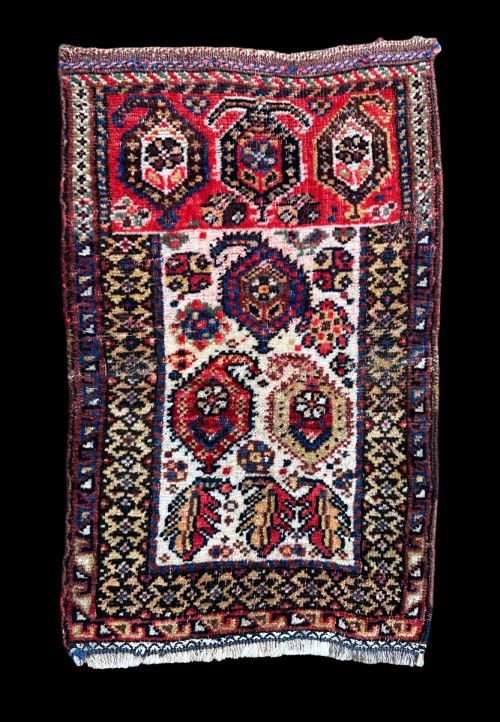
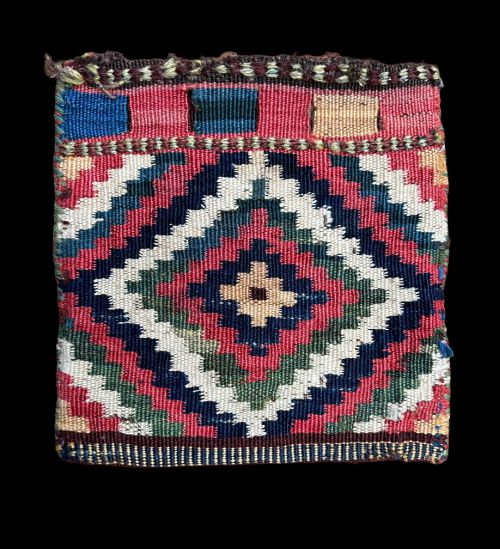
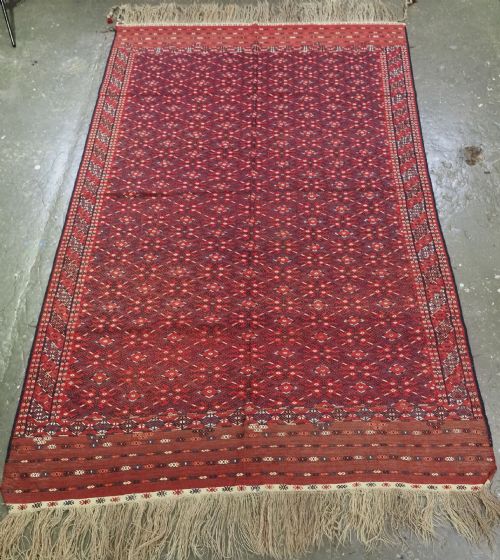
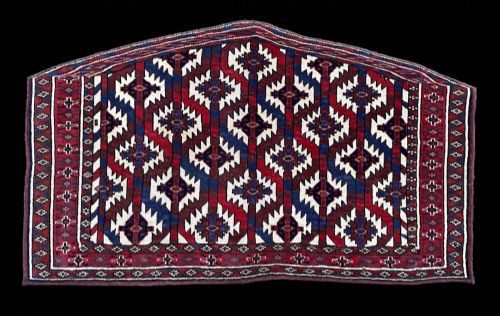
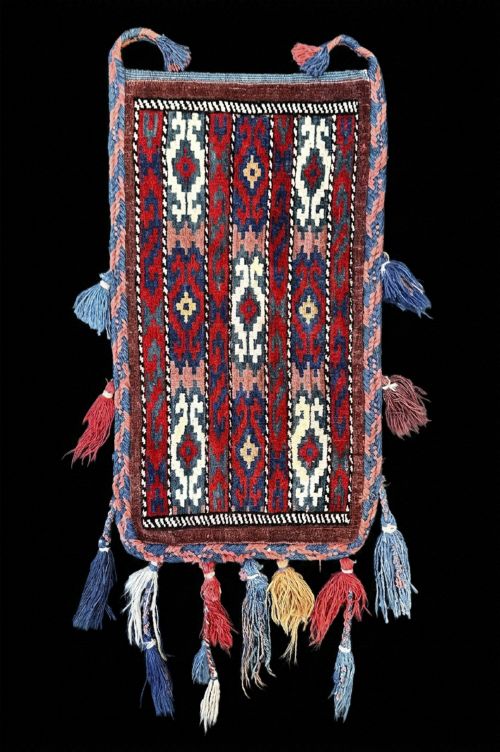
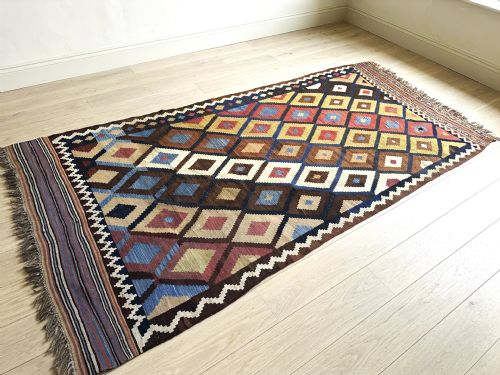
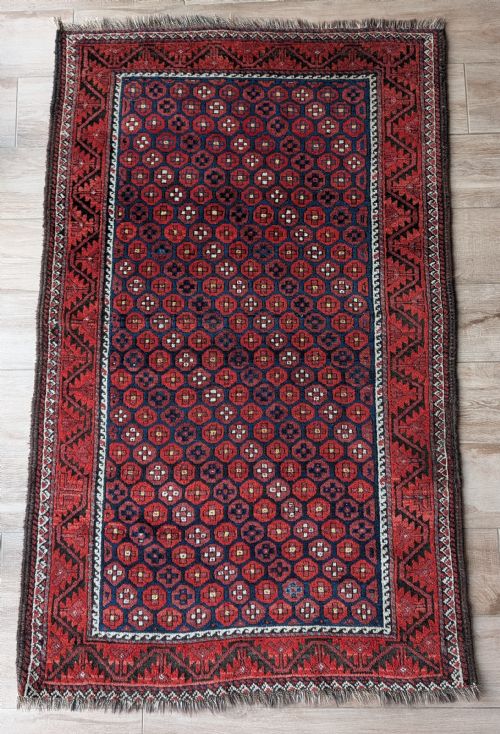
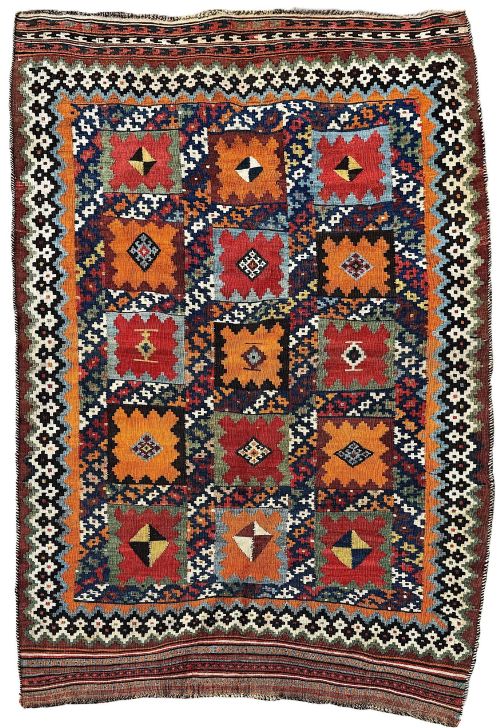
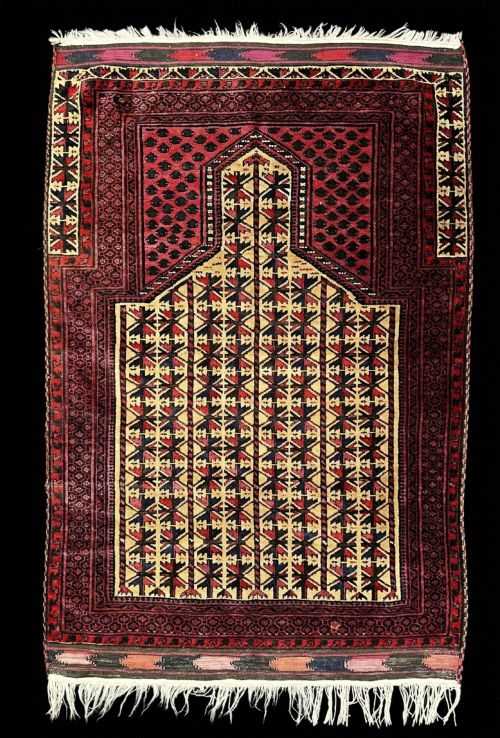
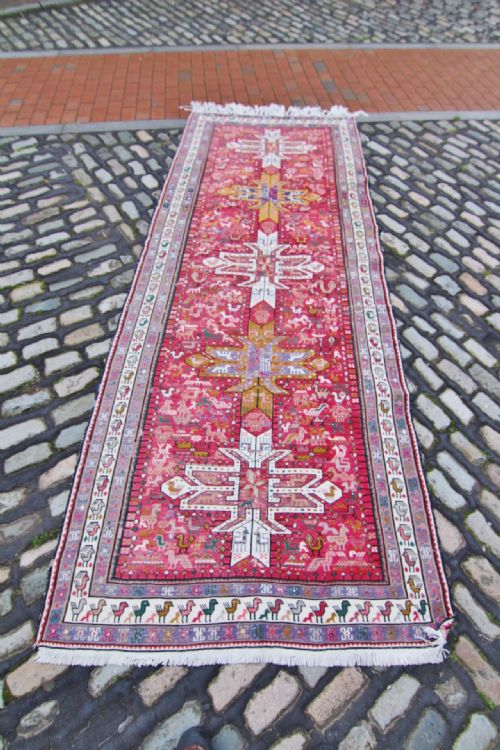
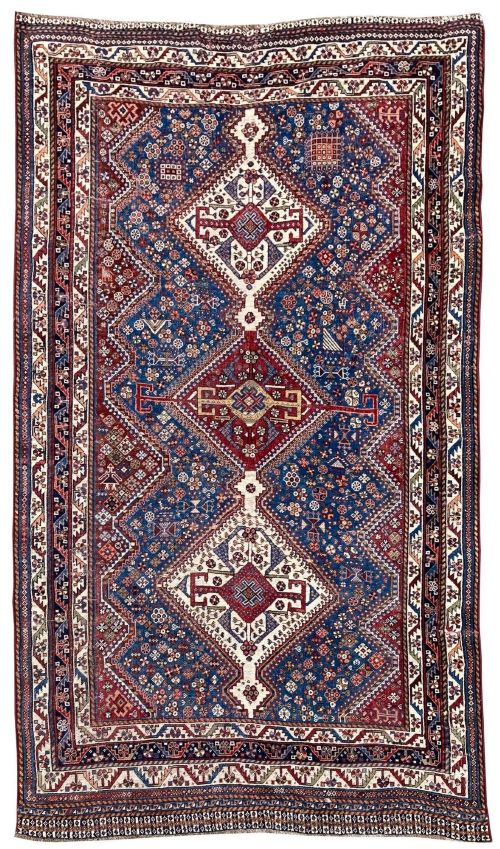
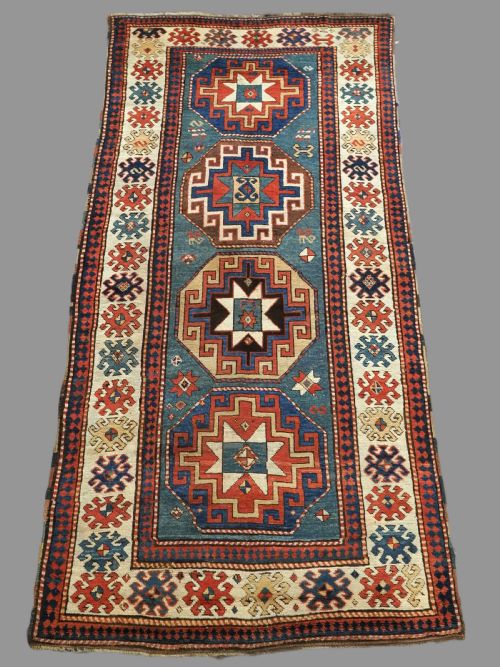
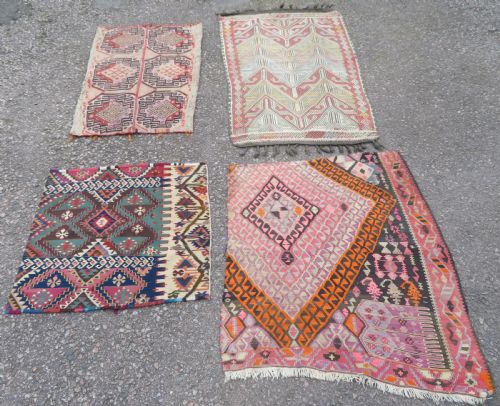
A nomadic geometric carpet represents the artistic output of tribal weavers across Persia, Central Asia, and the Caucasus from the nineteenth century to the early twentieth century. These textiles include various formats such as main carpets, long rugs, prayer rugs, and smaller utility items like saddle bags and tent door rugs.
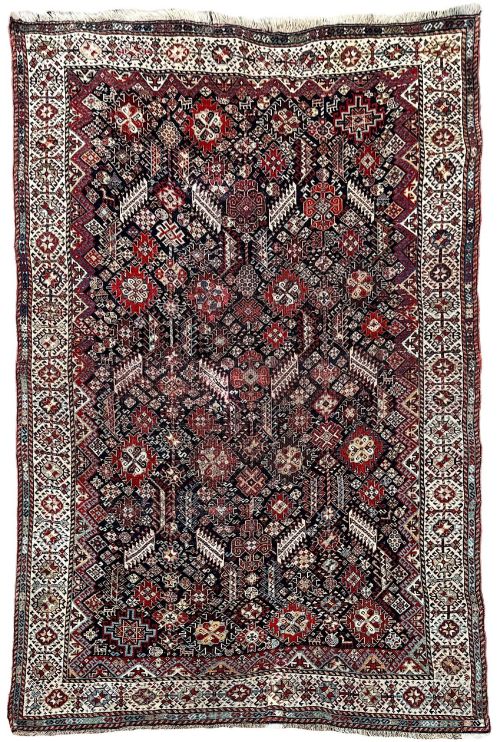
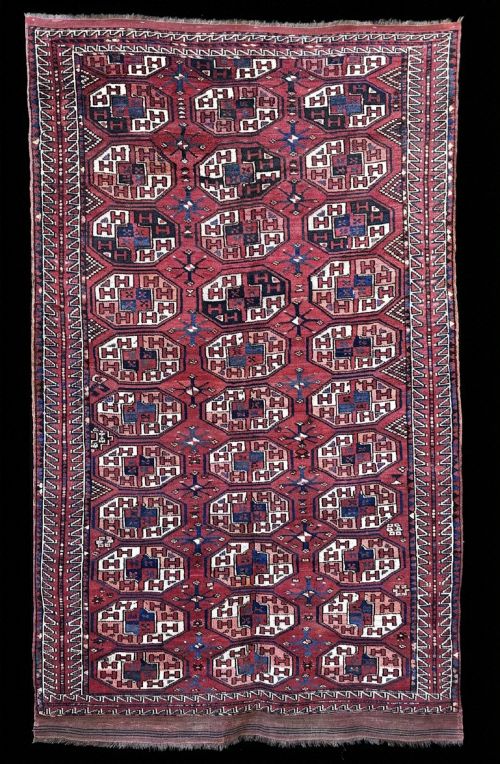
The pieces appearing on this page span several tribal groups, including Baluch, Khamseh, Afshar, Turkmen, and Kurdish weavers. Their designs rely on distinct geometric motifs passed down through generations rather than urban workshop cartoons.
How they were made
Weavers constructed these carpets using hand-spun wool for the pile, often set against cotton or wool foundations. Natural dyes provided the characteristic deep reds, blues, and greens found across tribal textiles.
Certain pieces incorporate flatweave techniques or felt construction, particularly in utility items like salt bags, cushions, and covers. The reliance on natural materials gives the surface texture an organic depth that shifts with the light.
Nomadic Geometric Carpet Retail Price Guide 2026
Typical asking prices for nomadic geometric carpet among the pieces listed under this phrase on Sellingantiques today, from the lower quarter to the upper quarter. They describe what is for sale here now, not the wider market.
The listings show regional diversity spanning Persian tribal, Turkmen, Caucasian, and Anatolian traditions using hand-spun wool and natural dyes.
What varies in quality
Quality in a nomadic geometric carpet rests on the crispness of the tribal motifs and the saturation of the natural dyes. Tightly packed wool and balanced proportions separate pieces produced for domestic use from standard commercial output.
The integrity of the original borders and the precision of the tribal patterns indicate the skill of the individual weaver. Handling reveals the density of the pile and the flexibility of the foundation.
The Nomadic Geometric Carpet Glossary
- Gul
- An octagonal medallion motif frequently repeated across Turkmen and Baluch carpets. Each tribal group utilised distinct variations of this primary design element.
- Prayer rug
- A rug featuring a mihrab or niche design pointing in one direction. These pieces served a devotional function within nomadic daily life.
- Flatweave
- A textile constructed without a knotted pile, created by interweaving warp and weft threads. Kilims and certain bags fall into this structural category.
- Natural dye
- Colour derived from plant and mineral sources rather than synthetic compounds. These colourants age gracefully over decades of exposure.
Nomadic Geometric Carpet: Frequently Asked Questions
What is a nomadic geometric carpet?
A nomadic geometric carpet is a hand-woven textile produced by tribal weavers utilising repeating geometric patterns, diamond medallions, and traditional motifs.
These pieces originate from regions including Persia, the Caucasus, and Central Asia, reflecting the distinct cultural heritage of specific tribes rather than city workshops.
How were these carpets used originally?
Nomadic groups utilised these textiles as floor coverings, tent furnishings, and animal trappings for camels and horses.
Smaller formats functioned as prayer rugs, storage bags for salt or grain, and decorative cushions within the tent.
How do I identify different tribal styles?
Tribal attribution relies on specific colour palettes, structural formats, and characteristic motifs like the octagonal gul or repeated prayer arches.
Examining the weave density and material composition also helps connect a rug to groups such as the Baluch, Khamseh, or Turkmen.
How should I live with an antique rug?
Placing a quality underlay beneath the textile prevents slipping and reduces friction against hard flooring.
Keeping the piece away from direct, harsh sunlight preserves the natural dyes used by the original weavers.