

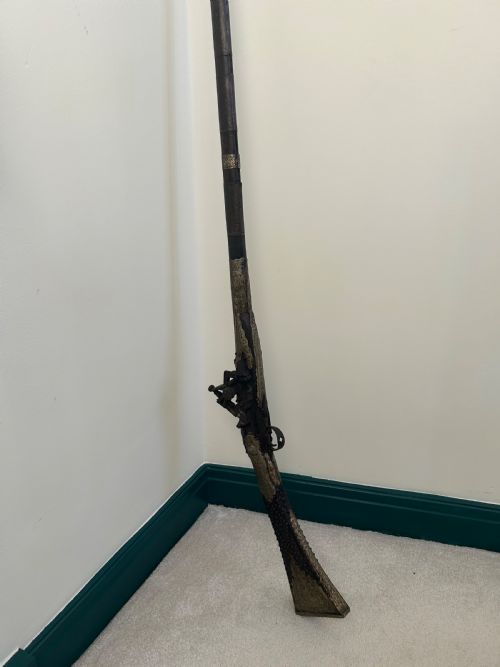


Nineteenth Century Weapon
These nineteenth century weapon items span martial sidearms, tribal artefacts, and disguised sword sticks from across the globe.
Nineteenth Century Weapon
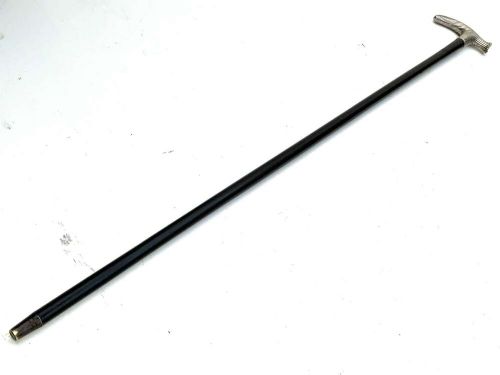
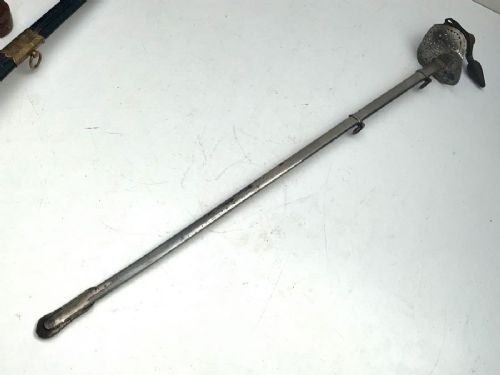
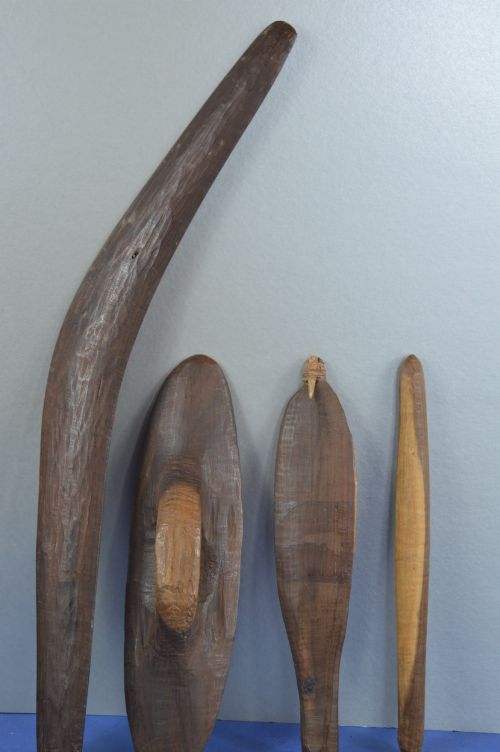
When you search for a nineteenth century weapon, you find a diverse mix of military sidearms, hunting equipment, and covert walking sticks designed for defence or status. The selection on this page ranges from British officers' swords and target pistols to flintlock rifles and indigenous hunting sets.
You are most likely to encounter Victorian military pieces alongside ethnographic objects and European sword sticks. These items reflect the global conflicts, colonial expansion, and personal protection needs of the era.
Materials and construction
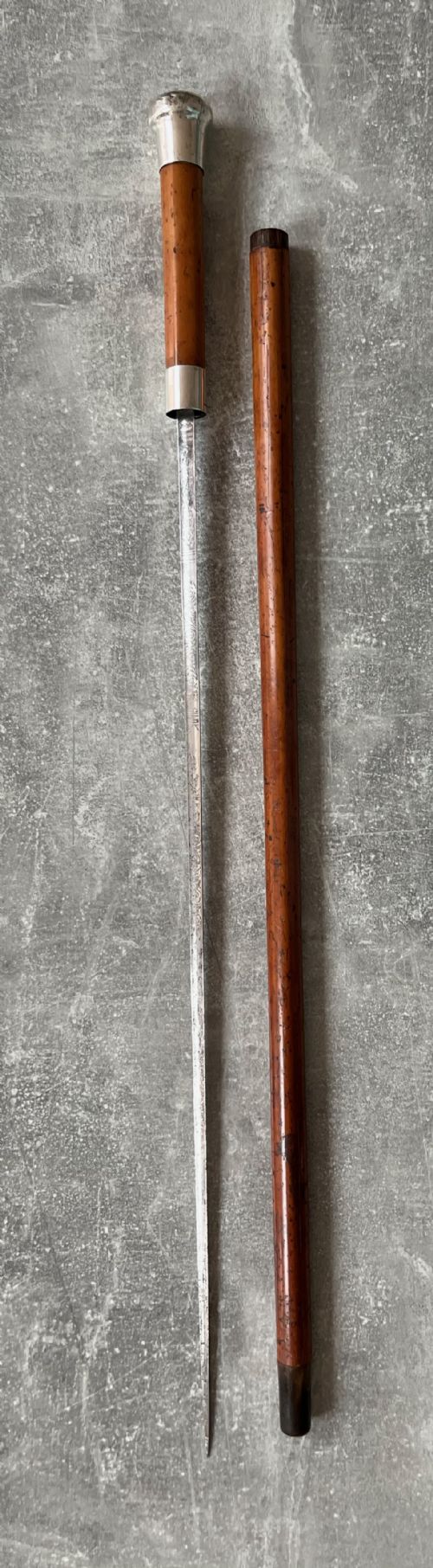
Metal components rely primarily on steel, iron, and brass for barrels, blades, and mountings, occasionally accented with silver or gold coloured collars. Stocks, grips, and concealed sword sticks utilise hardwoods such as walnut and malacca cane, alongside horn and leather coverings.
Blades and firearms mechanisms demonstrate specialised forging techniques, from Wilkinson steel blades to precision target pistol locks and traditional matchlock mechanisms. Craftsmanship varies from military ordnance to bespoke civilian pieces.
Nineteenth Century Weapon Retail Price Guide 2026
Typical asking prices for nineteenth century weapon among the pieces listed under this phrase on Sellingantiques today, from the lower quarter to the upper quarter. They describe what is for sale here now, not the wider market.
The listings span the nineteenth century, incorporating Victorian military items, 1860s pinfire pistols, and 1920s sword sticks.
Assessing quality in period arms
Quality separates mass-produced military issue pieces from bespoke civilian commissions by recognised makers. Finer examples display superior metal finishing, precise mechanism operation, and high-grade mounting materials like silver knops.
The integrity of organic elements such as carved horn handles, leather coverings, and malacca canes heavily influences the overall standard. Original matching components and legible maker signatures elevate the standing of a piece significantly.
Joseph Egg London·East India Company
The Nineteenth Century Weapon Glossary
- Wilkinson Blade
- A sword blade produced by the renowned British sword-smithing firm, known for high grade steel and quality mark stamps. These blades appear on officers' swords and military sword sticks.
- Flintlock
- An ignition mechanism for firearms that uses a flint striking against a steel frizzen to create sparks. This system precedes percussion cap firearms.
- Percussion Target Pistol
- A firearm using a percussion cap system designed for accuracy in competitive shooting. These pistols often feature cased sets with accessories.
- Jezail Rifle
- A traditional muzzle-loading long gun used across the Middle East and South Asia. They typically feature distinctive curved stocks and matchlock or flintlock firing mechanisms.
- Malacca Cane
- A resilient stem from the rattan palm used traditionally for walking sticks and sword sticks. It is prized for its mottled brown colouring and structural flexibility.
Nineteenth Century Weapon: Frequently Asked Questions
What is a sword stick?
A sword stick is a walking cane or hiking staff that conceals a metal blade within its shaft. The handle detaches to reveal the weapon.
These pieces were popular in the nineteenth century for personal protection among civilians navigating unfamiliar urban or rural areas.
How do flintlock and percussion systems differ?
A flintlock uses a piece of flint striking steel to ignite loose gunpowder in a pan. A percussion system uses a small explosive cap placed on a nipple, struck directly by the hammer.
The percussion system proved more reliable in wet weather and largely replaced the flintlock by the mid-nineteenth century.
Are these items legal to own?
Regulations regarding antique and deactivated firearms, swords, and ethnographic pieces vary significantly by region. Buyers must check local laws regarding ownership and transport.
Many antique muzzle-loading firearms and historical edged weapons do not require modern licensing, but concealed weapons like sword sticks often face stricter controls.
How should I display a sword stick?
Sword sticks and walking canes are best displayed in dedicated cane stands or horizontal wall mounts that support the full length of the shaft. Keep them away from direct sunlight and excessive humidity.
Ensure the locking mechanism holding the blade inside the cane remains secure if mounted where people might handle it.