
Nineteenth Century Stand
When you search for a nineteenth century stand, you enter a diverse field of utilitarian and decorative furniture designed to elevate objects or organise spaces.
Nineteenth Century Stand
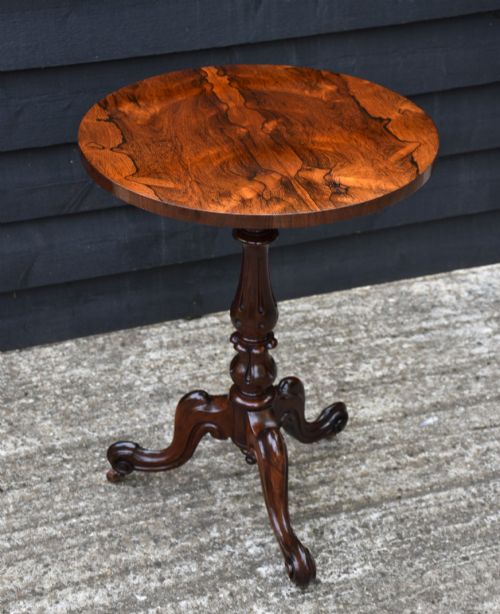
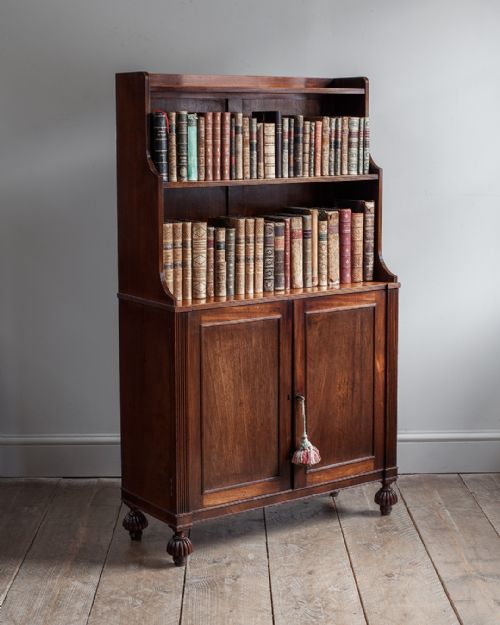
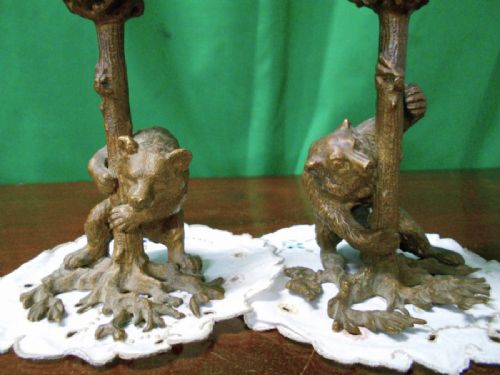
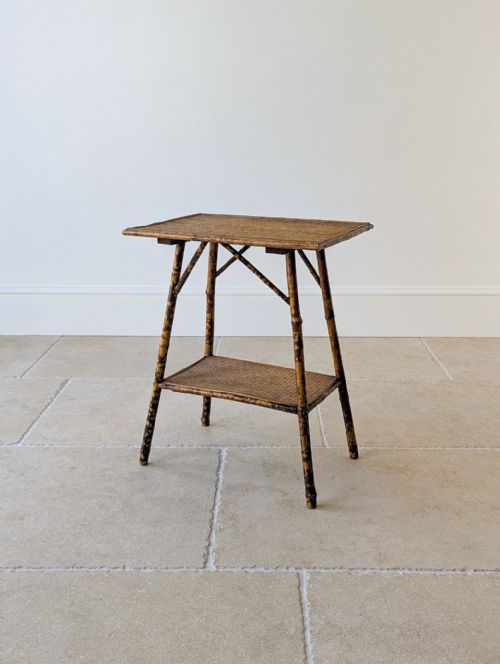
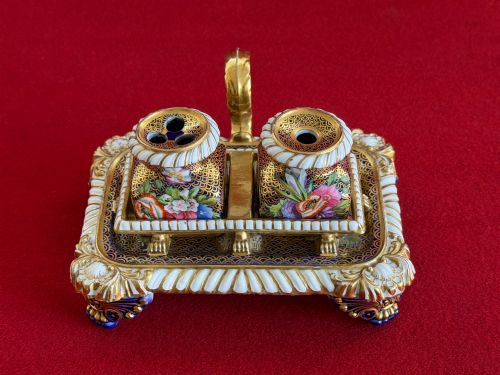
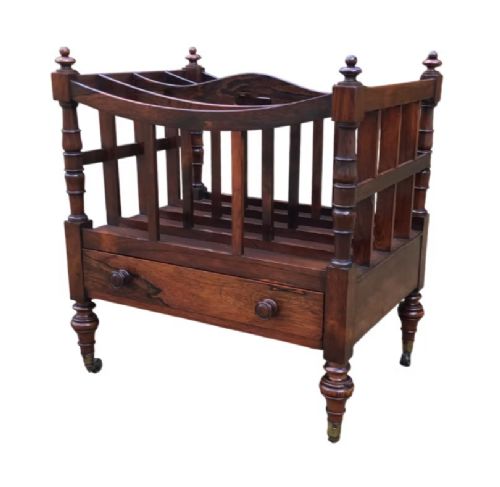
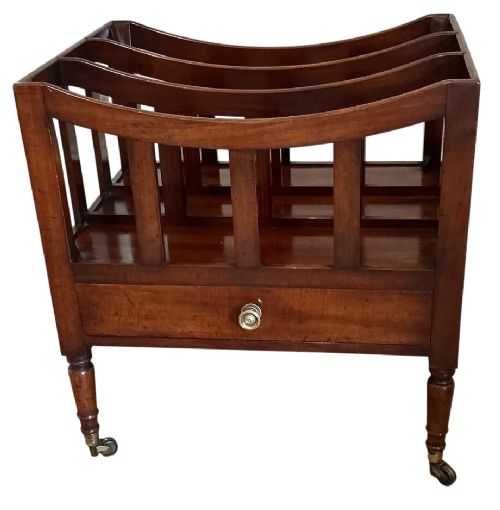
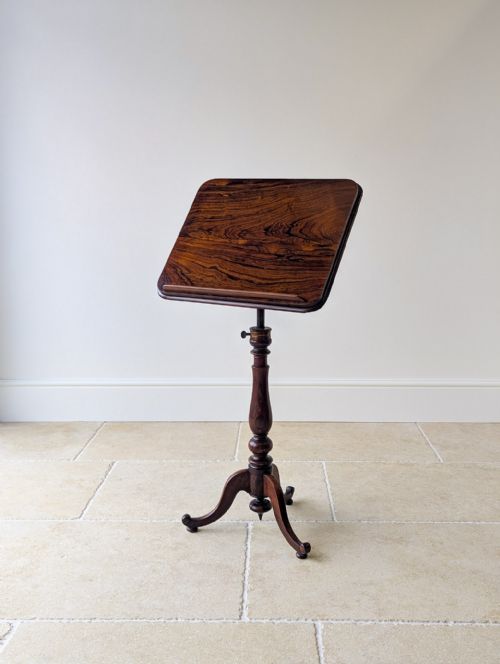
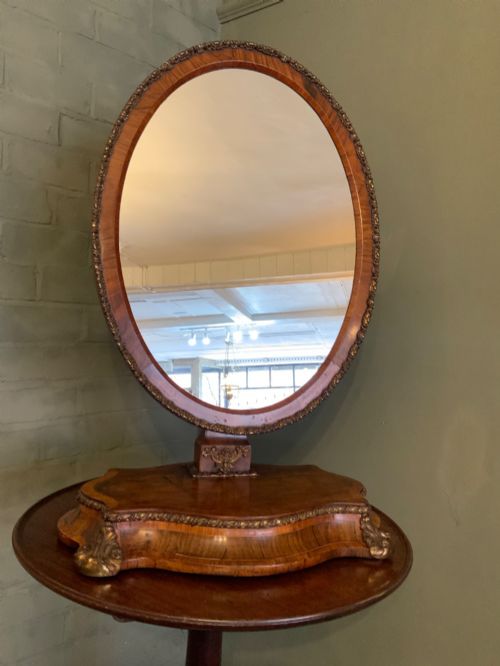
A nineteenth century stand encompasses a wide variety of domestic furniture designed to support items such as plants, books, umbrellas, music, or tableware. The selection ranges from compact occasional tables and reading stands to hallway hat and coat racks and plant jardinières.
The objects frequently reflect Regency, Victorian, and Aesthetic Movement design principles, crossing into specific forms like the Canterbury, the dumb waiter, and the revolving bookstand. Buyers will encounter both refined drawing-room pieces in rosewood and mahogany and robust utilitarian items in cast iron or oak.
Origins vary from English workshops to French cabinets and continental Black Forest or Chinese craftsmanship. This broad category serves both functional storage needs and decorative display purposes within the interior.
What varies in quality
Quality reveals itself through the selection of timber grains, the crispness of carved details, and the integrity of structural joints. Superior examples employ choice burr veneers and solid secondary woods, whilst simpler utilitarian items rely on straightforward pine or cast iron.
The refinement of brass or ormolu mounts, the precision of inlay work, and the original condition of hardware distinguish high-end cabinetmakers' output from standard production pieces. Design ambition also plays a role, separating basic turned columns from sculptural Black Forest carving or complex revolving mechanisms.
Listings feature timber varieties including mahogany, rosewood, walnut, and oak alongside metal components in brass, bronze, and cast iron.
Collinson & Lock·Barbedienne·Hindley and Sons·Thonet·Gillows
The Nineteenth Century Stand Glossary
- Jardinière
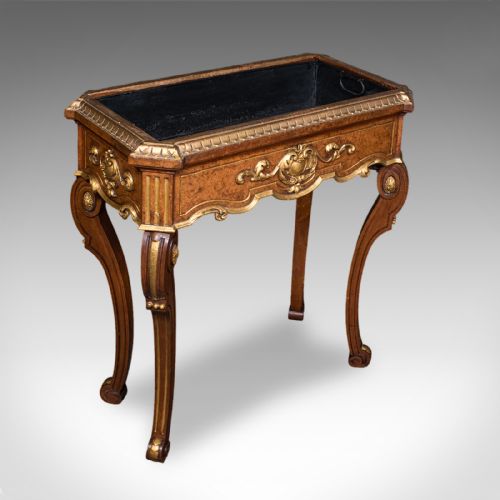
- An ornamental stand or container intended for holding flowers or potted plants. These pieces frequently incorporate metal liners to protect the surrounding woodwork or structure.
- Whatnot
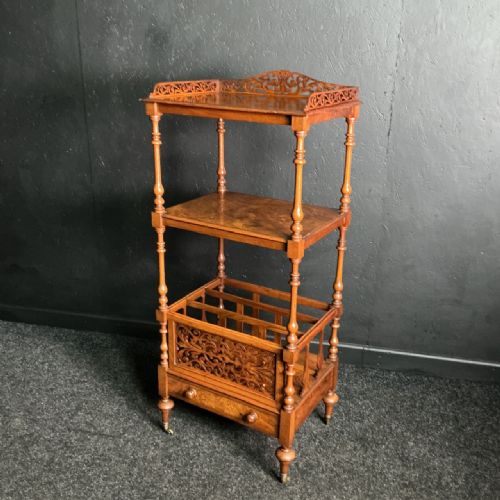
- An open set of multiple shelves used for displaying ornaments or books. It developed during the nineteenth century as a popular multi-tiered display stand.
- Torchere
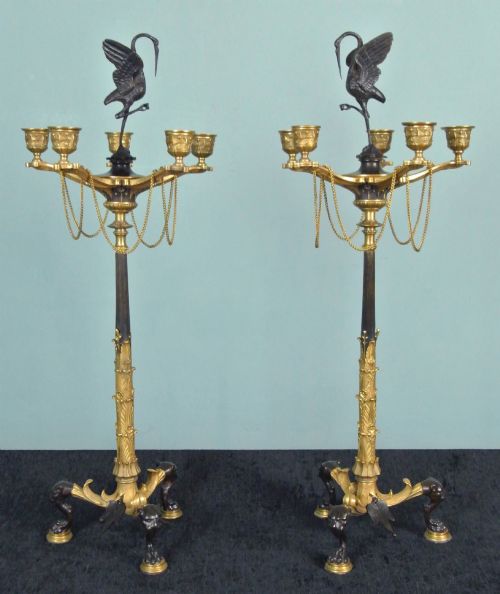
- A tall decorative stand or pillar designed to support a lamp or candle. They often feature carved wooden columns or bronze tripod bases.
- Treen
- Small handmade wooden objects produced before the widespread adoption of plastic. Collectors prize these items for their tactile surfaces and traditional turning methods.
Nineteenth Century Stand: Frequently Asked Questions
What is a nineteenth century stand used for?
These pieces served diverse household purposes, ranging from holding reading materials and sheet music to displaying plants, candles, and hats in the hallway.
Their functional variety means a stand could be placed in a grand drawing room or a practical boot room depending on its original construction and material.
How do I identify a Regency stand?
Regency items typically display classical restraint, featuring dark mahogany, sabre legs, brass reeding, and influences from ancient Roman or Greek design.
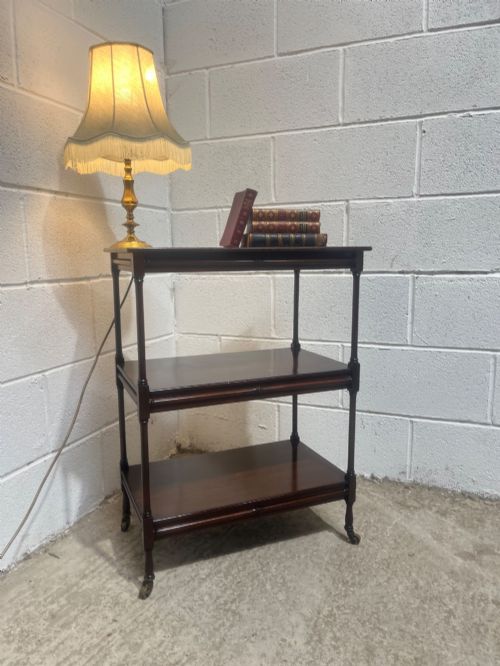
They often appear as small tripod tables, Canterbury racks, or library stands dating from the early decades of the nineteenth century.
Where should I place a plant stand?
Jardinières and plant stands suit conservatories, hallways, or living spaces where their elevated platforms can support potted ferns or floral arrangements.
Protecting timber surfaces from moisture remains important when utilising historic stands for live planting.
Are cast iron stands authentic?
Cast iron stands, particularly stick and umbrella stands, were widely produced in the nineteenth century by foundries such as Coalbrookdale.
These durable items were designed for heavy everyday use in entrance halls and conservatories, often featuring intricate openwork patterns.