


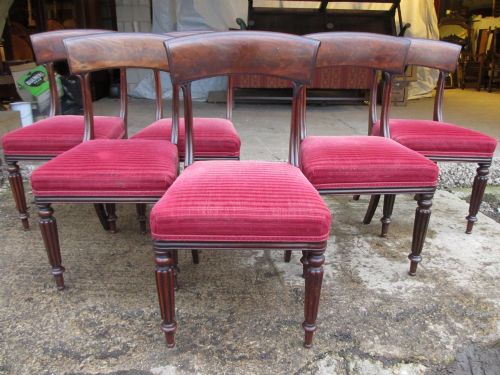
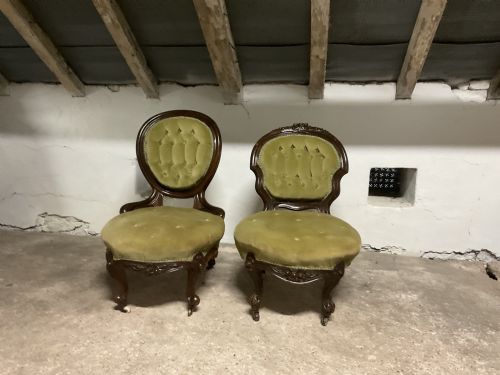
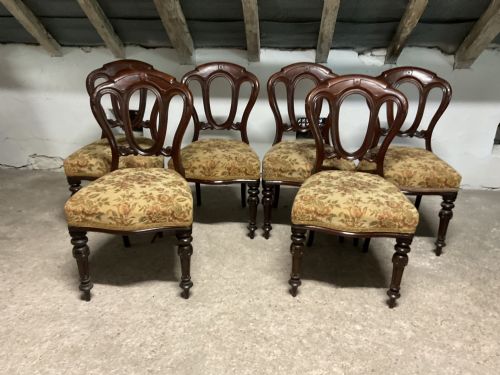
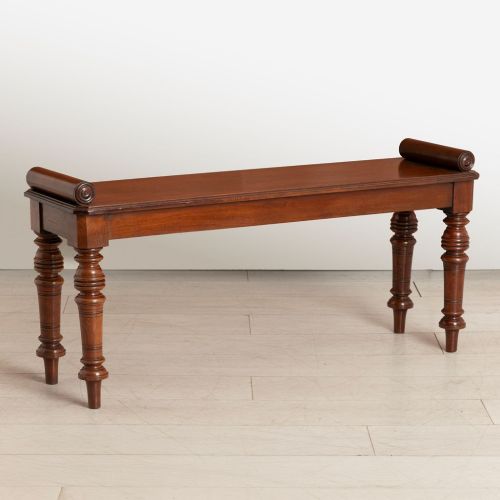
Nineteenth Century Seat
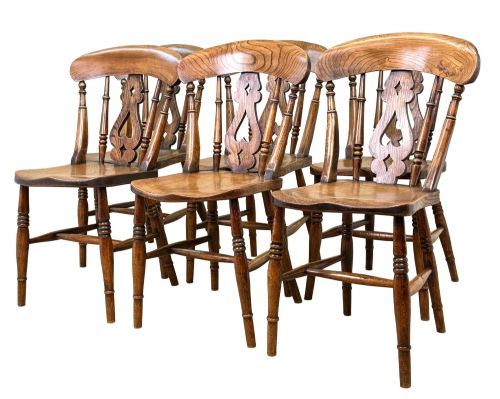
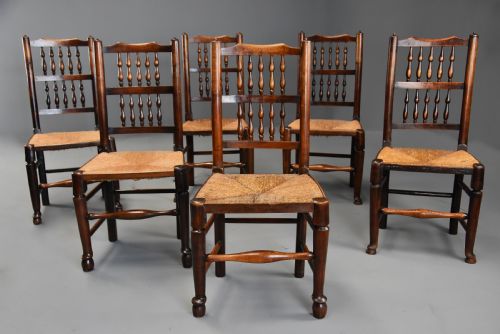
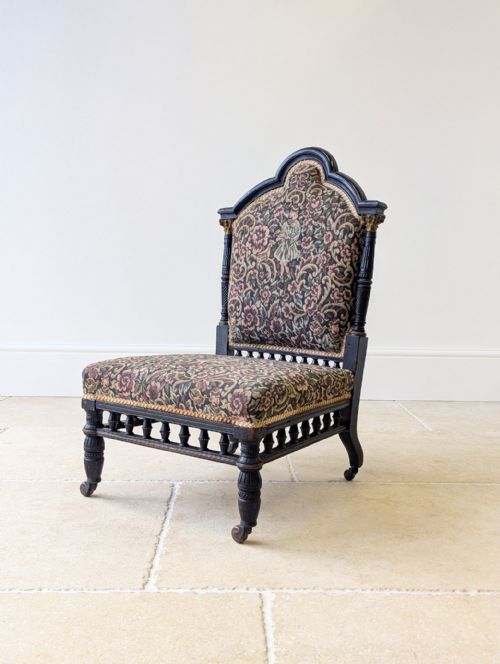
Nineteenth century seat options range from sturdy elm country chairs to upholstered Victorian sofas and Regency dining sets designed for formal rooms.
Nineteenth Century Seat
A nineteenth century seat encompasses a wide variety of furniture forms created between eighteen hundred and nineteen hundred, reflecting shifting domestic needs. Buyers looking at this phrase encounter everything from formal mahogany dining chairs to low nursing chairs and window seats.
The most common forms on this page are dining chairs in sets, alongside armchairs, sofas, and occasional seating in woods like mahogany, walnut, and ash. Regional country vernacular pieces and grander Regency or Victorian creations sit side by side.
Origins span English workshops, country houses, and continental ateliers, providing diverse stylistic expressions from Neoclassical restraint to Arts and Crafts simplicity. Each piece serves as a functional item while retaining distinct period character.
Materials and Construction Methods
Cabinet makers utilised dense hardwoods such as mahogany, walnut, oak, and ash to build durable frames, often employing traditional joinery like mortise and tenon. Turned legs, carved details, and reeded accents required skilled hand woodworking.
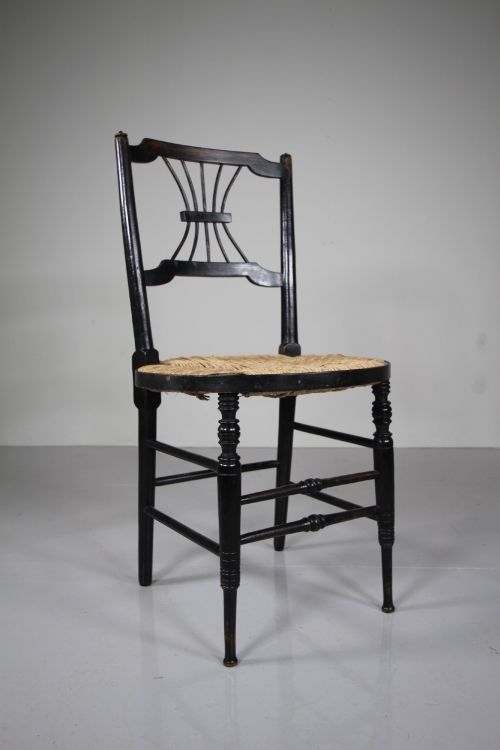
Upholstered items relied on horsehair stuffing, webbing, and springs covered in textiles like velvet, hessian, damask, or leather. Cane work and rush seating also provided flexible surfaces for light frames.
Decorative elements included brass inlay, giltwood finishes, ebonisation, and painted surfaces. These techniques combined structural integrity with the aesthetic demands of Regency, Victorian, and Arts and Crafts design.
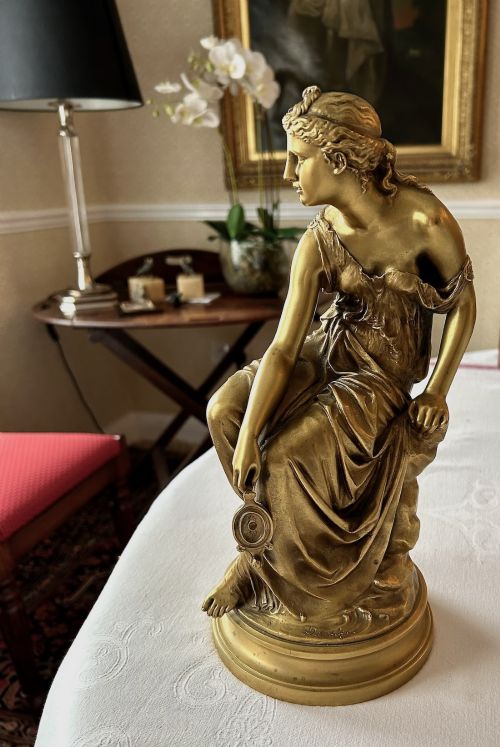
Several seats double as gym equipment for nineteenth century statues.
Determining Quality Across Examples
The excellence of a nineteenth century seat rests on the selection of timber, the crispness of hand carving, and the integrity of the frame construction. Heavier figure in mahogany or burr walnut and tight joinery indicate superior workshop production.
Original upholstery methods and period textiles elevate certain pieces, particularly when interior stuffing and webbing remain undisturbed or professionally restored using traditional materials. Maker attribution or firm stamps further distinguish finer examples from standard commercial output.
Etienne-Henri Dumaige·William Morris·Rossetti·Philip Clissett·Howard and Sons·Miles and Edwards·Charles Nosotti·E W Godwin
The Nineteenth Century Seat Glossary
- Bar Back
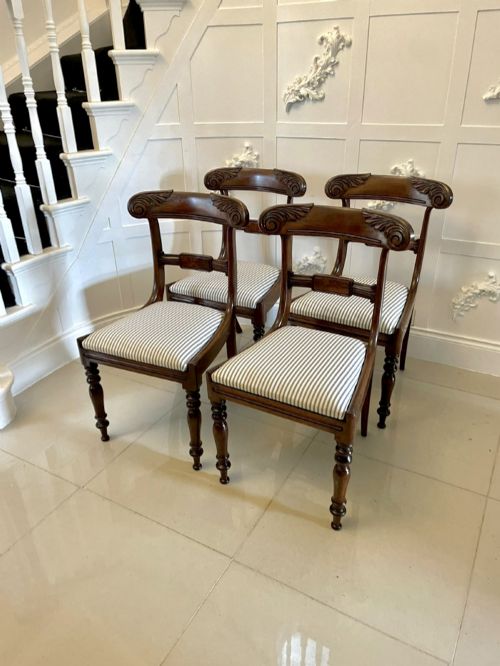
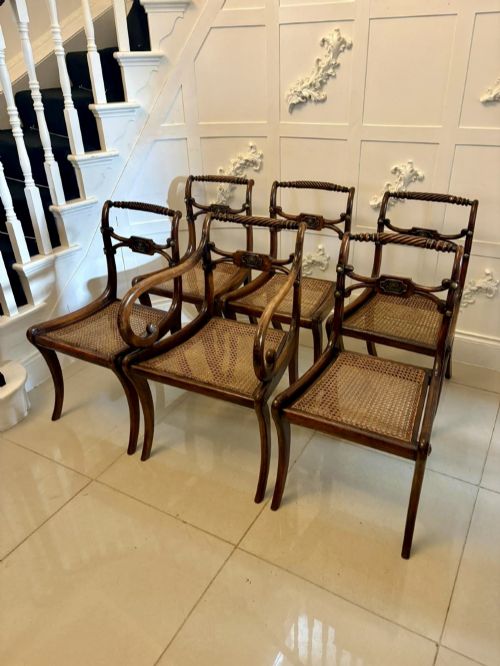
- A chair design featuring a horizontal top rail shaped like the crossbar of a yoke, common in Regency and William IV dining chairs.
- Curule
- An ancient Roman shape featuring intersecting curved legs forming an X, utilised for nineteenth century window seats and footstools.
- Prie Dieu
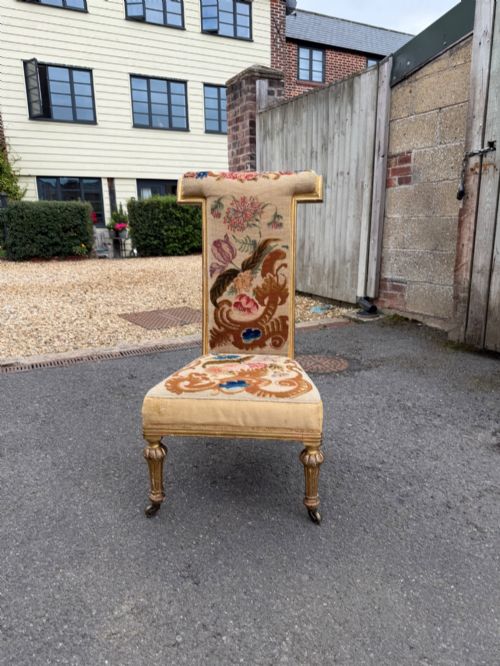
- A devotional chair designed for kneeling during prayer, featuring a low seat and an elevated padded top rail to rest arms or a book.
- Smokers Bow
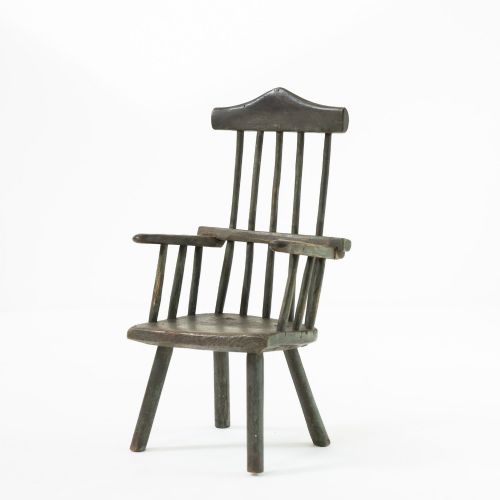
- A robust, low-backed Windsor-style armchair with a continuous curved arm rail, traditionally used in country inns and parlours.
Nineteenth Century Seat: Frequently Asked Questions
How do I identify a nineteenth century seat?
Examine the wood patina, construction methods like hand-cut joints, and stylistic cues such as Regency brass inlay or Victorian walnut framing. Period hardware and upholstery foundations also help confirm age.
Comparing the proportions and decorative motifs against documented examples from the same decade provides further clarity on authenticity.
Were these seats used in formal or casual rooms?
Nineteenth century seating served multiple functions depending on the form, ranging from formal dining rooms to private bedrooms and parlours. Mahogany dining chairs and grand sofas occupied public spaces, while nursing chairs and window seats suited private quarters.
Country vernacular chairs and rush-seated models typically furnished kitchens, cottages, and informal living spaces across Britain.
How do I care for antique wood and upholstery?
Keep wooden frames away from direct heat sources and sudden humidity changes to prevent timber splitting. Gentle cleaning with appropriate wax maintains the natural patina without stripping the finish.
Upholstered sections benefit from professional vacuuming with a soft brush attachment and specialist textile cleaning when necessary to protect fragile nineteenth century fabrics.
What is the difference between Regency and Victorian styles?
Regency design draws heavily on classical Greek, Roman, and Egyptian influences, favouring clean lines, rosewood or mahogany, and subtle brass accents. Victorian furniture embraces heavier proportions, darker walnut or ebonised woods, and ornate carving.
Victorian pieces often reflect revival movements like Gothic, Neoclassical, and Aesthetic, whereas Regency forms remain tied to the early nineteenth century Regency and William IV periods.