




Nineteenth Century Sea Art
Nineteenth century sea art brings coastal shipping and masted ships into the room through oil paint and watercolour.
Nineteenth Century Sea Art
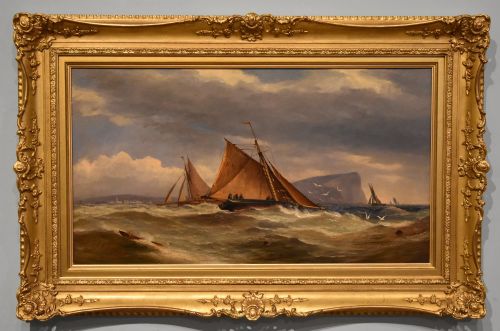
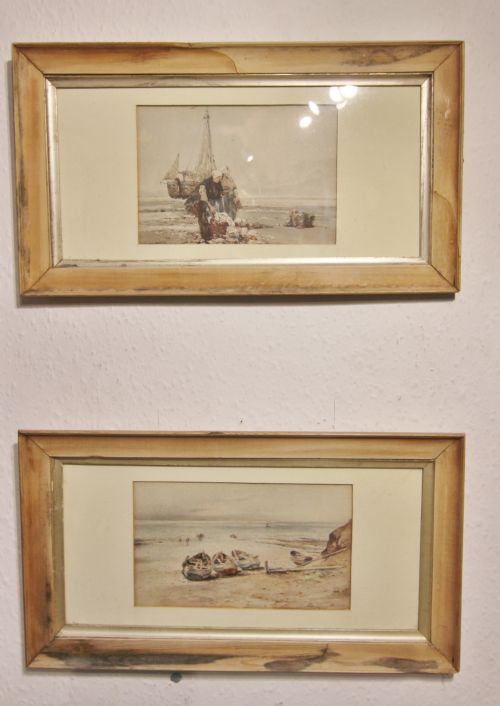
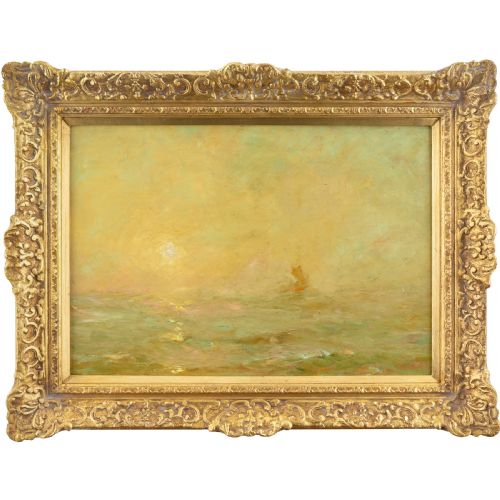
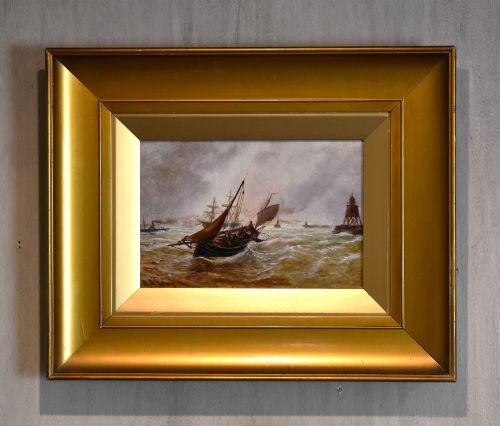
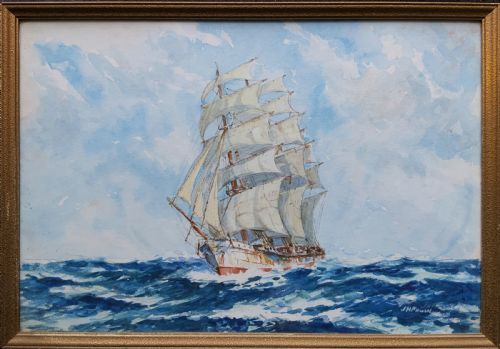
Nineteenth century sea art encompasses framed oil paintings and watercolours depicting coastal shipping, masted ships in choppy seas, and marine scenes. These works capture maritime life and coastal landscapes from the Victorian era and the turn of the twentieth century.
Buyers examining these pieces encounter works spanning the nineteenth century through the early twentieth century, including Newlyn School interpretations and French coastal views. The subjects range from boats resting on shores to vessels navigating rough coastal waters.
The objects take the form of framed art and oil paintings on canvas or paper, housed in materials such as wood, gesso, and gilt wood. Such pieces suit collectors seeking period maritime depictions with distinct historical origins.
How nineteenth century sea art was made
Artists utilised oil on canvas and watercolour on paper to record maritime subjects, applying pigments to capture the movement of water and light upon the sea. These paintings often incorporate framed wooden surrounds, sometimes finished with gesso and gilt.
The construction of the framing relies on wood and gesso, protecting the delicate surfaces of canvas and paper works. Makers secured these paintings within traditional frames appropriate to the period of their creation.
Nineteenth Century Sea Art Retail Price Guide 2026
Typical asking prices for nineteenth century sea art among the pieces listed under this phrase on Sellingantiques today, from the lower quarter to the upper quarter. They describe what is for sale here now, not the wider market.
Several artists captured the exact moment a Cornish fisherman secured his hook catch before the tide turned.
What varies in quality
Quality rests in the handling of brushwork and the conviction with which the artist renders atmospheric conditions, from calm coastal waters to choppy seas. Stronger examples demonstrate a confident command of light and maritime architecture.
The integration of the artwork with its period frame contributes to the overall integrity of the piece. Superior examples maintain harmony between the visual depiction on canvas or paper and the housing that protects it.
Frederick John Aldridge·William Ayerst Ingram·Bernard Benedict Hemy·Jean-Baptiste Olive·Charles Malfroy·Thomas Rose Miles·Samuel John Milton Brown
The Nineteenth Century Sea Art Glossary
- Oil on Canvas
- Pigment mixed with drying oil applied to a stretched woven fabric support. This medium allows for rich colour depth and layered texture.
- Watercolour
- Water-soluble pigment suspended in a water-based solution applied to paper. It produces transparent washes of colour suited to marine scenes.
- Gilt Wood
- Wooden framing treated with a thin layer of gold leaf or metallic gilt powder. It provides a reflective decorative border for period paintings.
- Newlyn School
- An art movement associated with artists working in Cornwall during the late nineteenth century. It emphasises plein-air painting of local coastal life and fishermen.
- Barque
- A sailing vessel with three or more masts. This specific ship type appears frequently in maritime watercolours and oil paintings.
Nineteenth Century Sea Art: Frequently Asked Questions
What subjects appear in nineteenth century sea art?
The artworks display coastal shipping, masted ships in choppy seas, and boats resting on shores. Scenes range from Cornish fishing communities to French coastal views.
Artists recorded these maritime subjects through oil paintings and watercolours during the Victorian period and early twentieth century.
How should I hang these maritime paintings?
These framed works require stable wall spaces away from direct sunlight and excessive moisture to protect the canvas, paper, and gilt wood frames.
Ensuring secure fixings suitable for wood frames and heavy oil paintings keeps the artwork safe on the wall.
How do I identify the period of a marine painting?
Dating relies on the artist's active lifespan, the clothing and ship types depicted, and the style of the wooden or gesso frame. Victorian works often display specific technical traits characteristic of nineteenth-century realism.
Signatures, inscriptions on the reverse, and framing materials offer additional clues to the exact decade of production.
What is the difference between oil and watercolour sea art?
Oil paintings utilise pigment on canvas, offering heavy texture and deep layers of colour suited to dramatic sea storms. Watercolours use pigment on paper under glass, providing lighter atmospheric effects.
Both mediums captured maritime life during the nineteenth century but required different framing and preservation approaches.