


Nineteenth Century Plate
Nineteenth century plate selections bring together decorative ceramic tableware, wall mirrors, and metal service wares from the Victorian and Georgian eras.
Nineteenth Century Plate
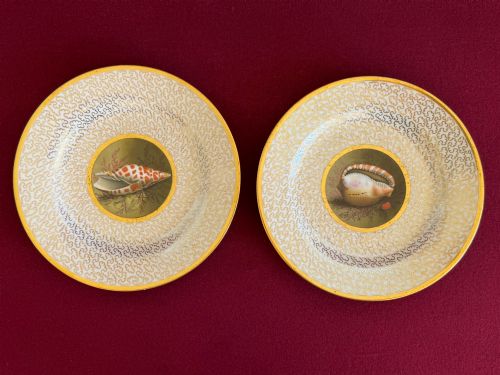
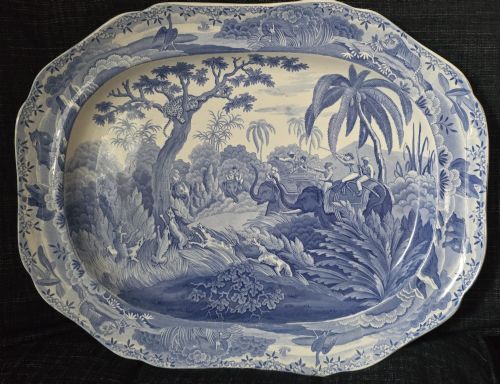
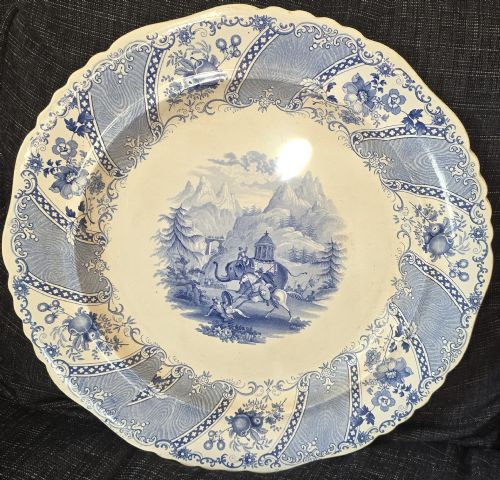
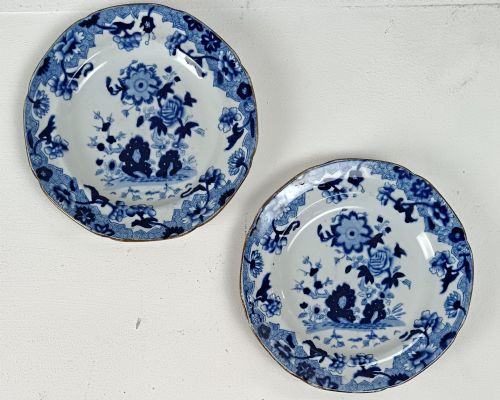
A nineteenth century plate typically encompasses ceramic tableware, porcelain cabinet plates, and heavy chargers produced across the Victorian, Georgian, and Regency periods. Buyers searching this phrase commonly discover transfer-printed blue and white dinner services, hand-painted botanical creamware, and decorative earthenware intended for display.
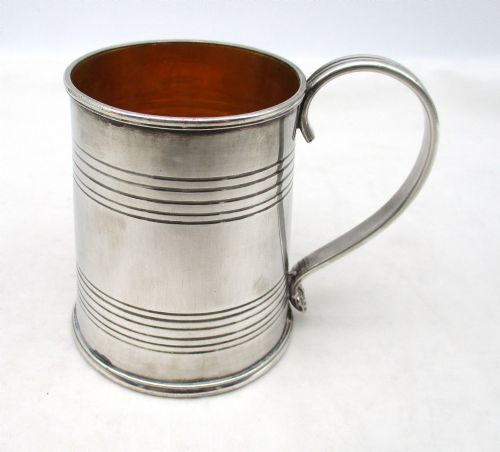
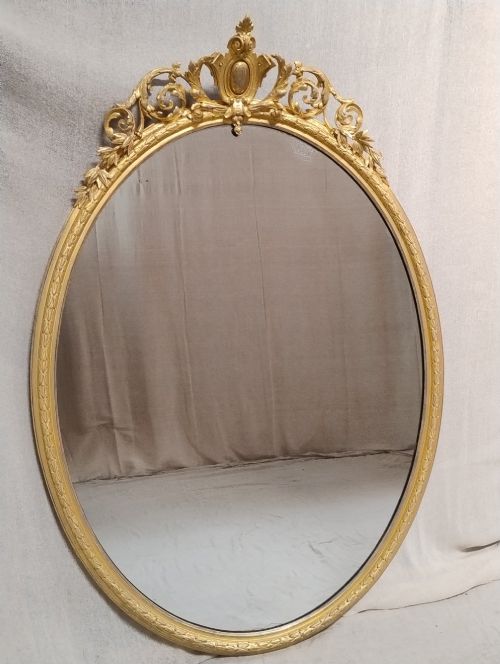
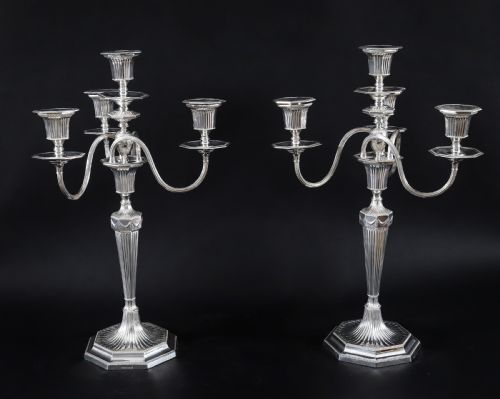
The category extends beyond flat ceramics to include silver-plated items, pewter dishes, and reflective mercury plate mirrors framed in giltwood. Many surviving examples carry specific regional provenances, ranging from Staffordshire potteries to Japanese Meiji period porcelain dishes.
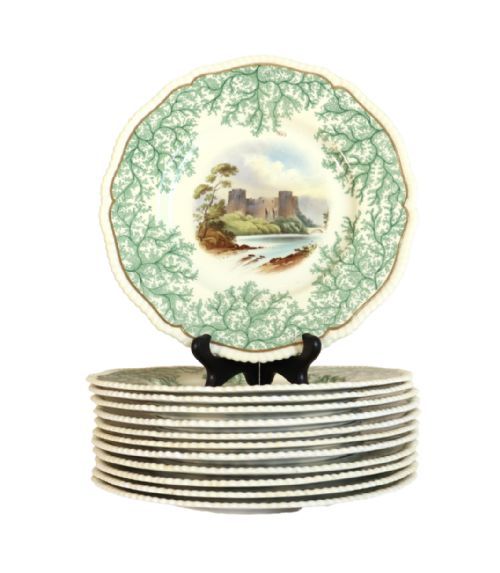
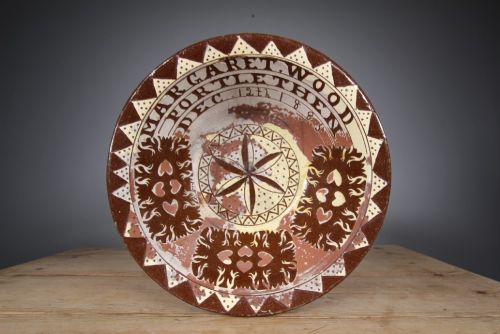
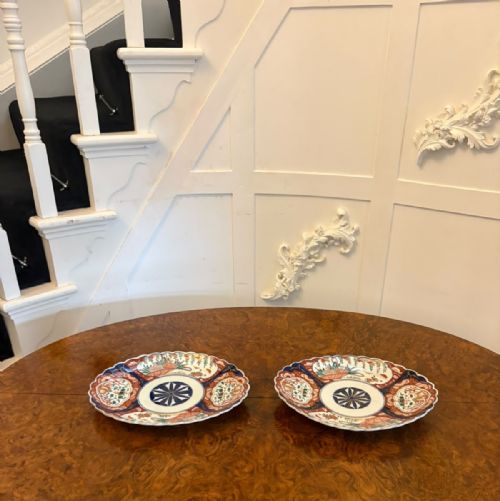
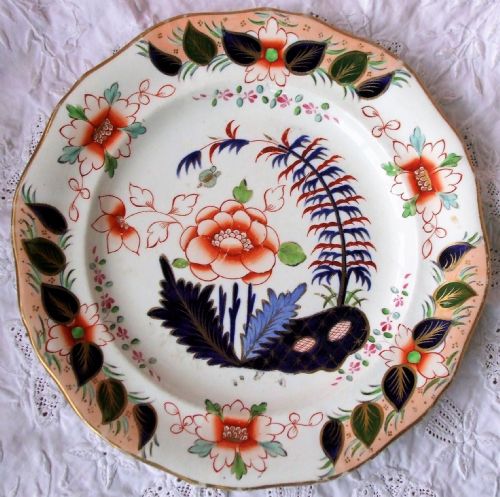
Tableware from this era includes decorative chargers and cabinet plates decorated with named topographical views or traditional Imari patterns. These pieces record the changing domestic tastes of the nineteenth century, moving from utilitarian earthenware to elaborate porcelain designed for formal dining.
Materials and manufacture
Potters and artisans utilised a range of refined clays, including ironstone, creamware, and porcelain, shaped into plates and heavy chargers then fired at high temperatures. Decoration frequently involved hand-painted enamels, transfer printing in blue and white, and applied gold leaf details.
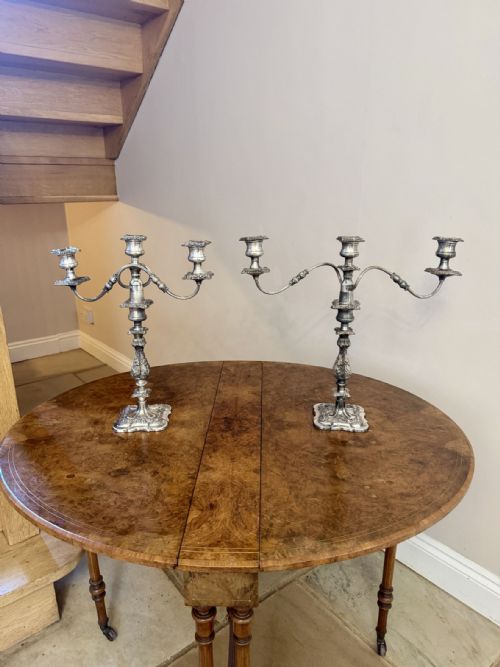
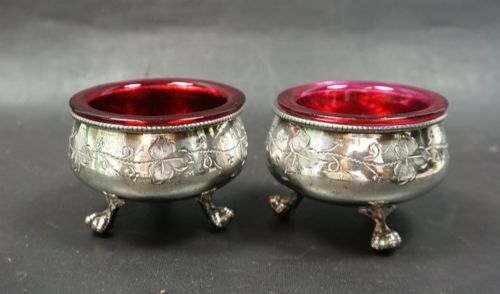
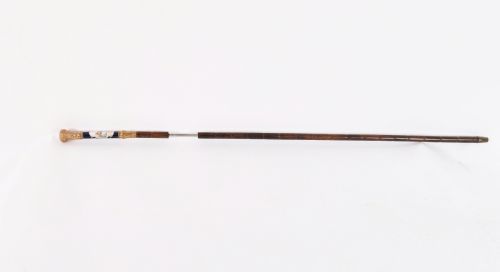
Metal service wares relied on silver plate over base metals or pewter casting to create durable table items and mirrored surfaces. Mercury plate manufacturing techniques produced the deep, distinct reflections seen on surviving nineteenth century mirror glass.
Listings feature items from the Victorian, Georgian, and Regency periods, incorporating porcelain, earthenware, silver plate, and enamel materials.
Distinctions in quality
Quality in these items rests upon the crispness of the transfer printing or the dexterity of the hand-painted brushwork applied to the ceramic surface. Maker attribution, such as work originating from Spode, Wedgwood, or Davenport, elevates a piece above standard domestic output.
Preservation of the original glaze, minimal rubbing to giltwood or gold leaf edges, and the presence of matching sets determine the desirability of ceramic plates and chargers. For mirrored plates, the integrity of the mercury backing and the joinery of the surrounding frame define the standard of the object.
Spode·Royal Bonn·Hawksworth Eyre·John Davenport of Longport·Stubbs·William Yale·Aynsley·Wedgwood·James Rouse Jnr.·Pucher Deroche·T & H Compton·Coalport·Chamberlain's·John Hancock
The Nineteenth Century Plate Glossary
- Cabinet plate
- A decorative ceramic plate intended for display in a cabinet or on a wall rather than for everyday dining. These items often feature elaborate hand-painted scenes or portraits.
- Creamware
- A fine earthenware developed in England during the eighteenth century, possessing a pale yellowish cream colour under a lead glaze. It became a staple material for dinner services throughout the nineteenth century.
- Transfer printing
- A decoration technique where an engraved copper plate transfers a design onto tissue paper, which is then applied to the ceramic surface before firing. This method allowed for intricate blue and white patterns to be produced consistently.
- Imari
- A style of Japanese porcelain featuring a distinct palette of underglaze blue, iron red, and gilt, which heavily influenced European potteries. English makers frequently copied these vibrant patterns on ironstone and porcelain plates.
- Mercury plate
- A mirror glass produced by applying a tin and mercury amalgam to the rear of the glass plate. This historical technique creates a characteristic mottled, deep reflection found on period mirrors.
Nineteenth Century Plate: Frequently Asked Questions
How do I date a nineteenth century plate?
Dating relies heavily upon maker marks, backstamps, and the specific ceramic body used, such as ironstone or creamware. Stylistic clues like transfer print motifs and registration diamonds also help narrow down the decade of manufacture.
Comparison with documented patterns from major potteries provides further chronological accuracy. Examining the wear patterns on the base offers additional context regarding the age of the piece.
Were these plates used for daily dining?
Many ceramic plates from this era served functional roles in formal Victorian and Georgian households. Everyday dinner services experienced regular use, which accounts for the survival of partial sets.
Finer cabinet plates and hand-painted chargers, conversely, were reserved for display in dining rooms or drawing rooms. Their survival in pristine condition often indicates they avoided practical kitchen use.
How should I clean antique ceramic plates?
Cleaning requires gentle hand washing in warm water with mild soap, avoiding harsh abrasive sponges or modern dishwashers. Submerging antique ceramics for prolonged periods can damage fragile glazes and historical bodies.
Dishes with extensive gold leaf or overglaze enamel decoration demand extra caution to prevent pigment loss. Patinated metal plates and silver-plated items require appropriate metal cleaners used sparingly.