



Nineteenth Century Pine Furniture
Nineteenth century pine furniture brings honest utility and warmth to a room, offering robust storage and tables built for daily use.
Nineteenth Century Pine Furniture
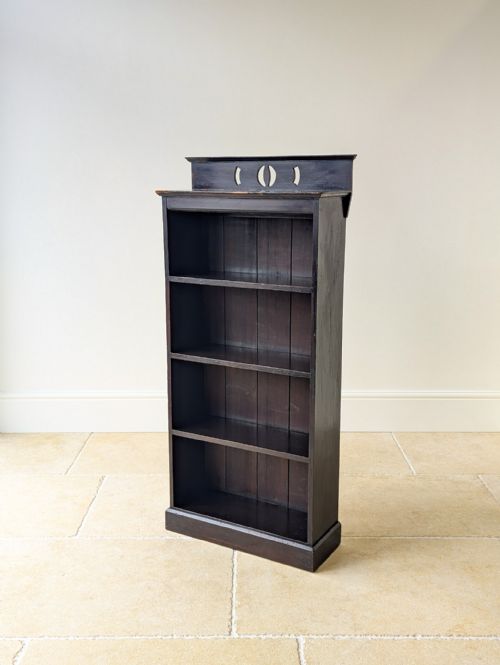
Nineteenth century pine furniture encompasses a diverse selection of practical domestic pieces created during the 1800s, including chests of drawers, tables, benches, and seating. These items range from plain English country pieces to painted Scandinavian examples with distinct regional character.
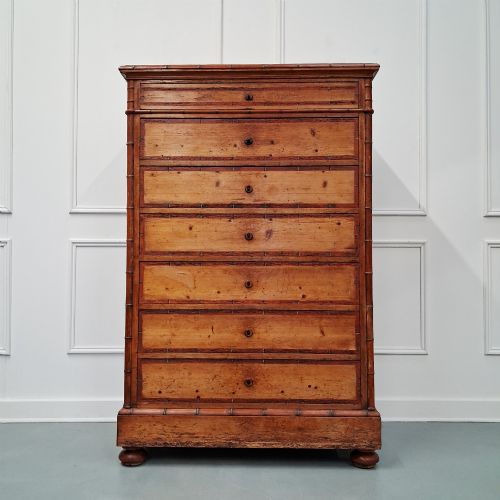
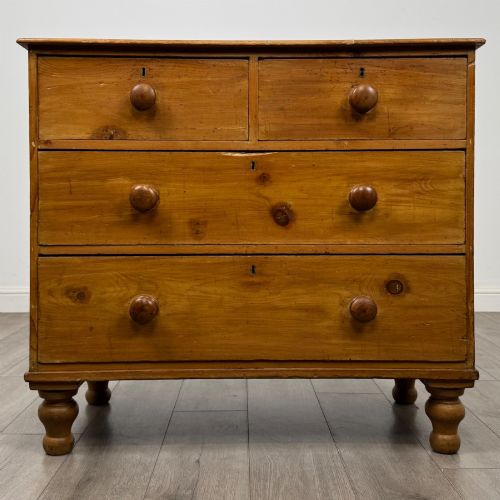
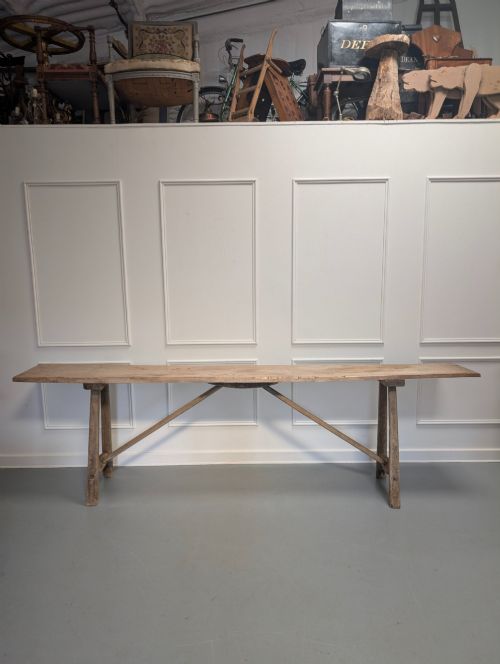
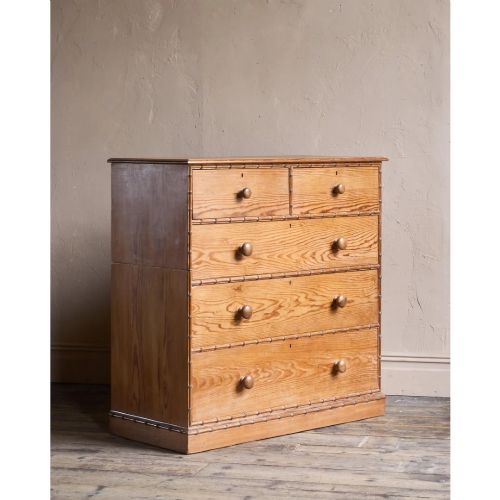
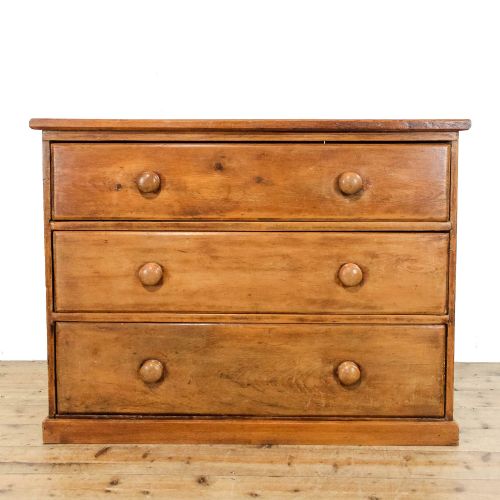
The most common items encountered in nineteenth century pine furniture are chests of drawers, often featuring multiple drawer configurations and occasional galleries or original painted finishes. Buyers also frequently find kitchen tables, settles, and benches originating from British and European workshops.
How they were made
Makers utilised solid pine and pitch pine for structural stability, frequently employing simple joinery suited to domestic utility rather than elaborate cabinetmaking. Boards were joined to create large surfaces for tabletops and chest carcases while retaining the natural grain of the timber.
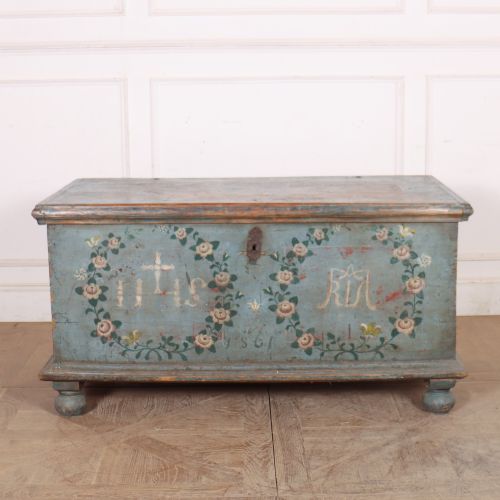
Surfaces were frequently finished with layers of paint, such as traditional Falu paint or country house scumble paint, to protect the wood and provide decorative colour. Metal fittings in brass and iron, alongside ceramic elements, were added to drawers and doors for functional operation.
Nineteenth Century Pine Furniture Retail Price Guide 2026
Typical asking prices for nineteenth century pine furniture among the pieces listed under this phrase on Sellingantiques today, from the lower quarter to the upper quarter. They describe what is for sale here now, not the wider market.
Listings for nineteenth century pine furniture span British and European origins, featuring regional painted pieces alongside plain timber tables and chests.
What varies in quality
Quality in nineteenth century pine furniture rests primarily in the survival of original surface finishes, such as early paint layers or scumble work, which lend depth and character to the piece. Construction methods also separate standard utilitarian items from more considered examples featuring thoughtful proportions and careful timber selection.
The integrity of the original hardware, including brass pulls and iron hinges, contributes significantly to the standing of a piece. Pieces that retain their structural soundness alongside honest signs of age represent the higher tier of surviving examples.
Howard and Sons
The Nineteenth Century Pine Furniture Glossary
- Scumble paint
- A decorative translucent paint technique dragged or brushed over a base coat to simulate wood grain or create textured patterns. This finish appears frequently on country house furniture from the period.
- Pitch pine
- A resinous and durable variety of pine known for its prominent grain pattern and strength. It was frequently utilised for seating and architectural items requiring extra resilience.
- Gallery
- A small raised rail or low superstructure mounted along the back or sides of a chest of drawers top. It prevents items from sliding off the surface.
- Drop leaf table
- A table with fixed centre section and hinged flaps that fold down to save space. This form allowed flexible use in smaller nineteenth century domestic spaces.
- Falu paint
- A traditional deep red paint originating in Sweden, composed of copper mine residue, linseed oil, and flour. It protected exterior and interior timber surfaces effectively.
Nineteenth Century Pine Furniture: Frequently Asked Questions
What is nineteenth century pine furniture?
Nineteenth century pine furniture consists of domestic storage and seating pieces made from softwood timber during the 1800s. These items served practical functions in kitchens, bedrooms, and halls across Britain and Europe.
The category includes chests of drawers, tables, benches, and chairs made by regional joiners and workshops. Many pieces retain their original painted surfaces or natural timber patination.
How do I clean nineteenth century pine furniture?
Clean nineteenth century pine furniture gently using a soft, dry cloth to remove dust and surface debris. Avoid harsh chemical cleaners that can strip original wax or painted finishes.
For pieces with historic paint layers, moisture should be kept to a minimum during cleaning. Periodic application of a suitable natural wax helps nourish bare timber surfaces.
How do I identify painted pine finishes?
Painted finishes on nineteenth century pine often exhibit craquelure, subtle fading, and wear patterns consistent with age and use. Original coats sit tightly within the wood pores rather than forming a modern uniform film.
European examples frequently display regional colours like Falu red or Swedish pale washes. Scumble paint finishes show textured brushwork designed to mimic more expensive hardwoods.
Where were these pieces used originally?
These pieces served practical roles in domestic settings ranging from modest farmhouses to large country houses. Kitchen tables and benches accommodated daily food preparation and communal dining.
Chests of drawers and settlement pieces provided essential storage in bedrooms and hallways. Their robust construction suited the demands of active households.
What distinguishes pitch pine from standard pine?
Pitch pine contains a higher resin content than standard softwood pine, giving the timber greater density and strength. This material yields a darker, more pronounced grain structure.
Furniture made from pitch pine, such as hall chairs and armchairs, often has a heavier feel. The wood resists wear effectively due to its natural resinous properties.