




English Pine Commode
An english pine commode offers practical storage with domestic charm, bridging the gap between rustic country utility and refined period craft.
English Pine Commode
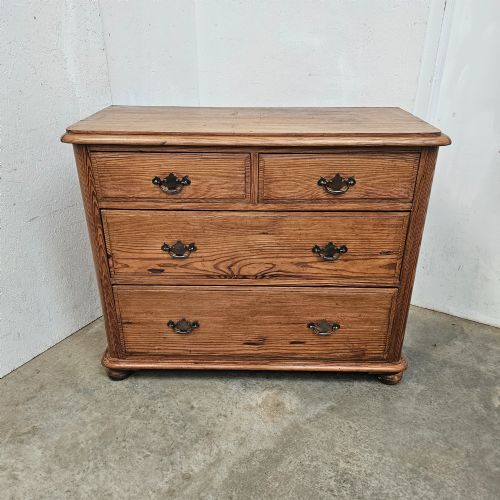
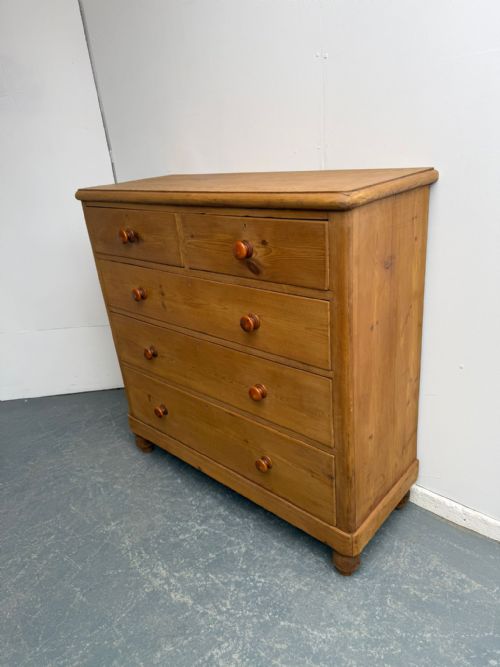
An english pine commode generally takes the form of a chest of drawers, built in timber with practical storage in mind. These items serve as functional bedroom or living space furniture.
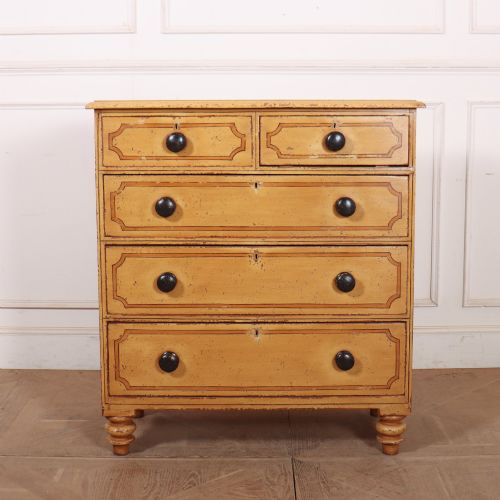
The selections span the nineteenth century, including Victorian and Regency eras, as well as pieces dated around eighteen ninety. Buyers encounter examples ranging from compact small chests to large five-drawer formats.
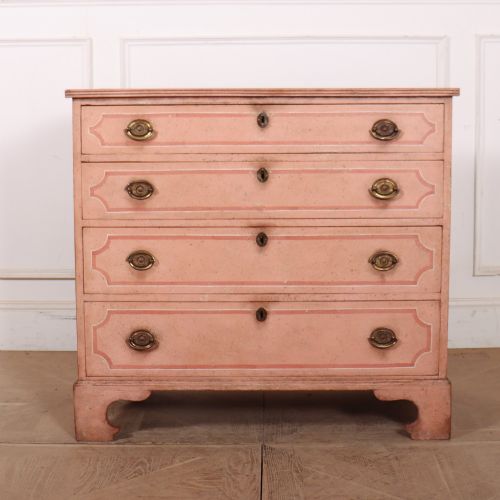
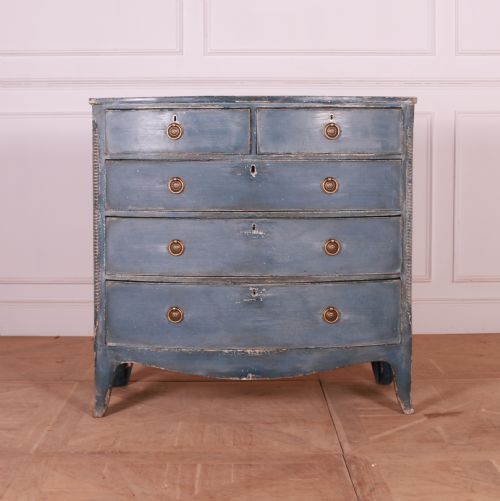
English country and Victorian country styles dominate the forms, reflecting domestic utility rather than grand formal design. Certain variants feature a gallery back or original painted finishes.
How they were made
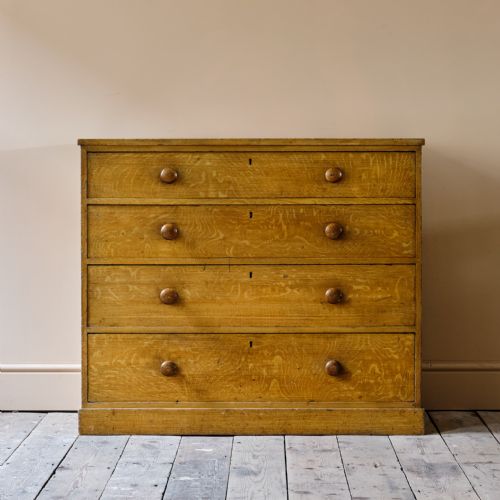
Cabinet makers utilised pine and pitch pine as the primary timber, often finishing surfaces with wax, paint, or simulated painted wood effects. These materials provided a sturdy carcass suitable for daily domestic service.
Metal and brass hardware, alongside ceramic elements, were fitted for drawer pulls and handles to complete the construction. Paint and painted timber treatments added decorative surface finishes to the softwood bases.
English Pine Commode Retail Price Guide 2026
Typical asking prices for english pine commode among the pieces listed under this phrase on Sellingantiques today, from the lower quarter to the upper quarter. They describe what is for sale here now, not the wider market.
What varies in quality
The standard of an english pine commode rests upon the preservation of original finishes, such as early paint layers or traditional wax treatments. Pieces retaining their authentic surface character command greater appreciation among collectors.
Construction scale and detailing also differentiate items, seen in larger five-drawer formats or examples featuring architectural additions like gallery backs. Cabinetry executed with careful attention to proportion represents the upper tier of surviving examples.
The English Pine Commode Glossary
- Commode
- A piece of furniture containing drawers or compartments, functioning primarily as a chest of drawers. This term covers the main object types seen in the inventory.
- Pitch pine
- A resinous softwood utilised by nineteenth-century makers for durable construction. It provides a distinct grain pattern compared to standard white pine.
- Gallery back
- A raised wooden border along the top rear edge of a chest. This feature prevents items from sliding off the surface.
- Simulated painted wood
- A decorative surface technique mimicking finer timbers or graining patterns. Makers applied this to humble pine to elevate its visual appeal.
- Regency
- An architectural and design period spanning the early nineteenth century. Pieces from this era display specific stylistic proportions distinct from later Victorian items.
English Pine Commode: Frequently Asked Questions
How do I date an english pine commode?
Dating relies on construction methods, hardware, and stylistic indicators associated with nineteenth-century periods like the Regency and Victorian eras.
Examining surface treatments such as original paint or wax finishes also helps determine the age of the timber carcass.
What is the difference between pine and pitch pine?
Pitch pine is a harder, more resinous variety of softwood with a pronounced grain. Standard pine offers a lighter, softer timber base often found in country furniture.
Both materials were common in nineteenth-century British cabinet making.
Are painted finishes original on these chests?
Many nineteenth-century pieces retain original paint or simulated wood finishes applied during their initial period of use. Survival of early paint depends on how the furniture was maintained through subsequent generations.
Inspect the surface texture and wear patterns to evaluate the coating.
How were these chests used historically?
These items served as domestic storage furniture for clothing and household goods in bedrooms and parlours. Their practical design suited both country houses and urban dwellings.
Larger five-drawer versions accommodated substantial family wardrobes.
What does a gallery back indicate?
A gallery back is an upright wooden rim attached to the top rear of the chest. It served to secure items placed on top of the furniture.
This detail appears on select nineteenth-century pieces designed for practical utility.