
Nineteenth Century Picture Frame
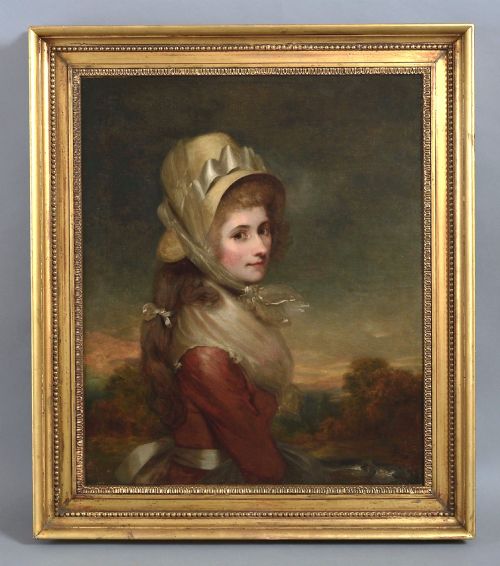
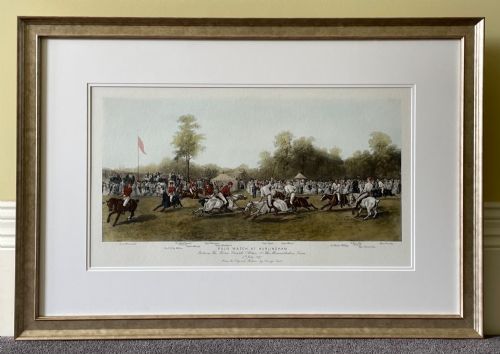
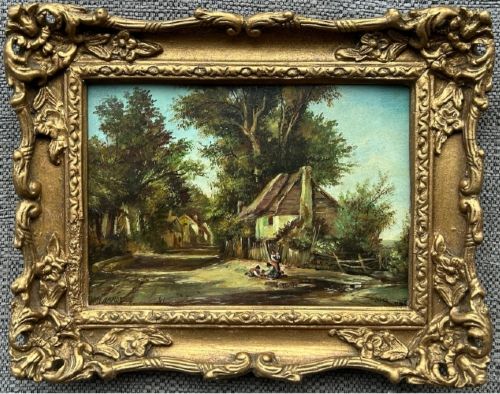
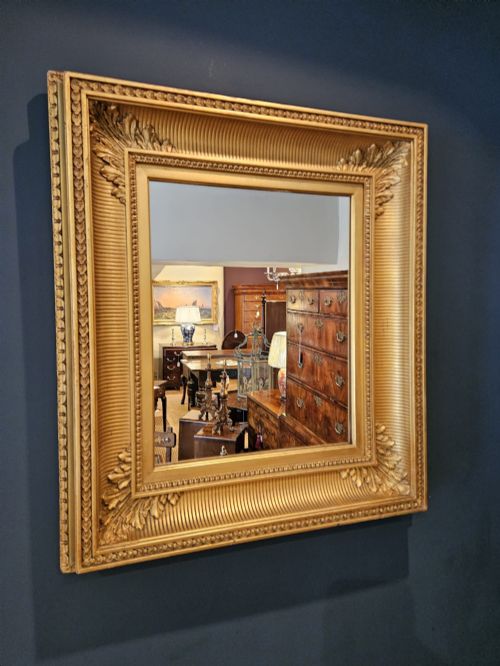
A nineteenth century picture frame holds the history of an interior, combining carved timber and rich gilding to support oils, mirrors, and works on paper.
Nineteenth Century Picture Frame
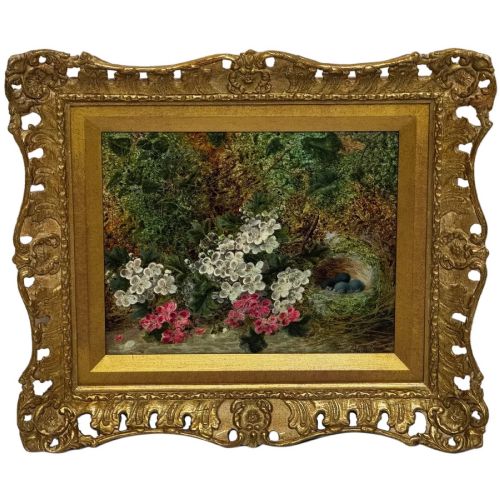
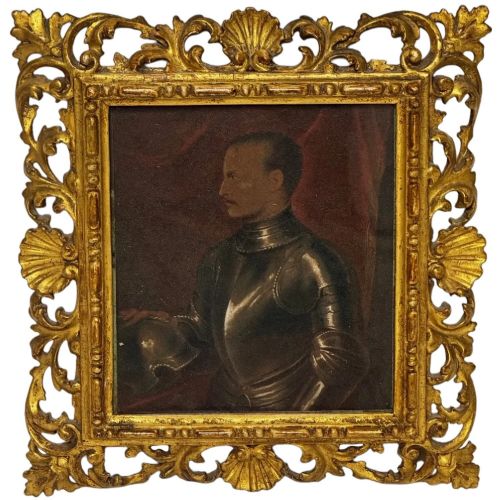
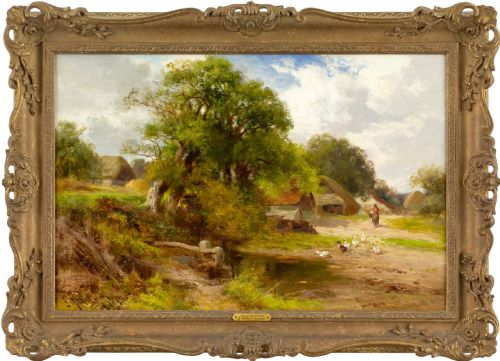
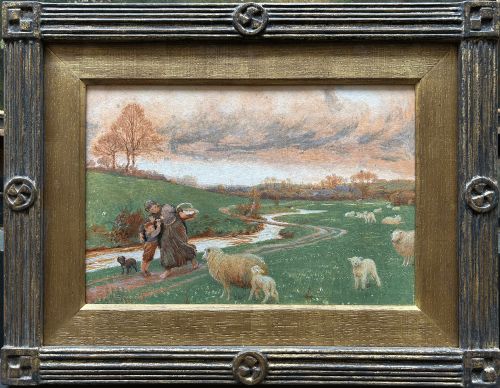
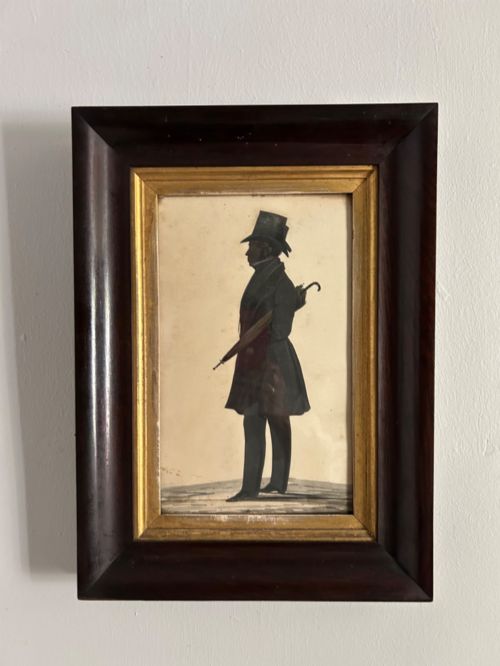
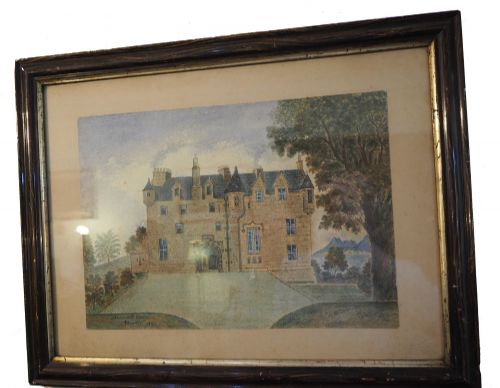
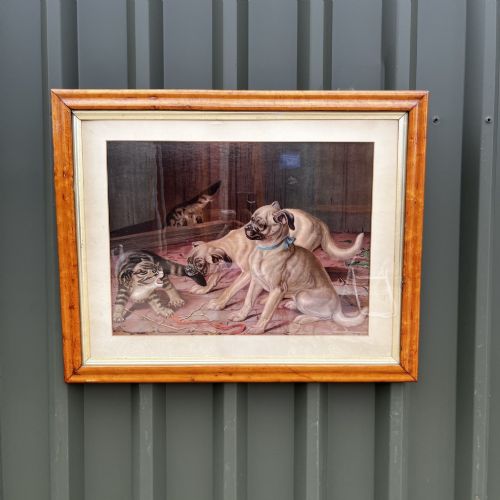
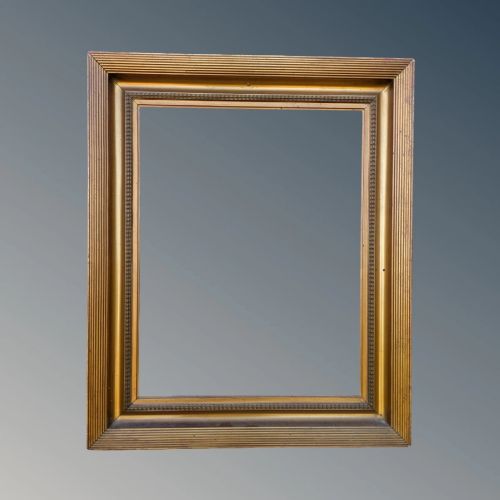
A nineteenth century picture frame is a protective and decorative enclosure designed to complement paintings, mirrors, and works on paper from the period. Buyers seeking these items will encounter examples ranging from simple wooden mouldings to elaborate Revival styles.
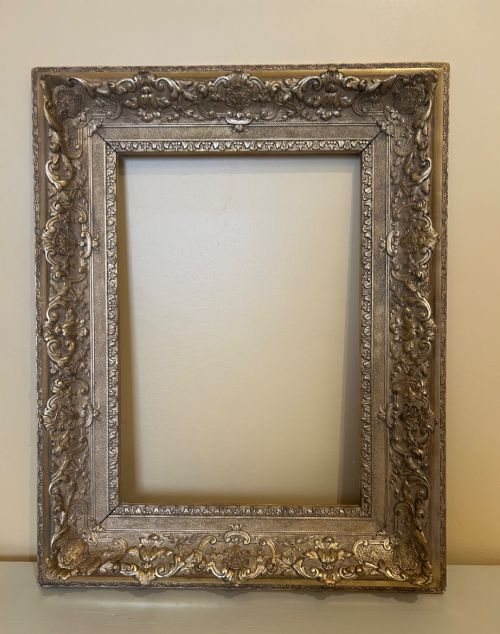
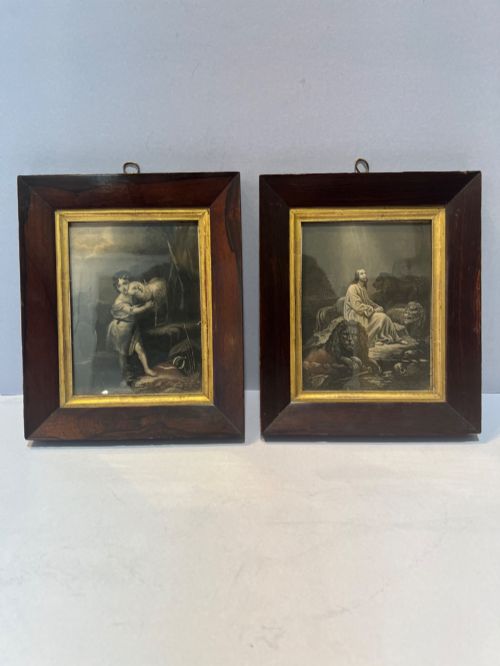
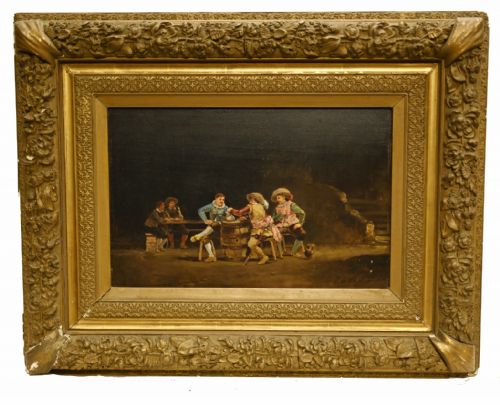
The options span several distinct decades, including Regency, Victorian, and later nineteenth-century periods. Many house original artworks such as oil paintings, watercolours, and engravings, while others survive as empty surrounds ready for a new canvas or mirror glass.
Survivals on this page include gilded gesso surfaces, maple-veneered surrounds, and deep box frames designed for textiles or portraits. Each piece reflects the decorative taste of its specific decade, from ornate Rococo revival curves to restrained classical proportions.
Materials and construction
Makers built these surrounds primarily using wood substrates, which provided structural stability for heavy canvases and glass panels. Pine and hardwood served as the foundation, often shaped with applied mouldings or carved directly.
Surface ornamentation frequently relied on gesso, a plaster-like mixture applied to the wooden base and moulded into intricate floral or geometric patterns. Artisans then finished these surfaces with gold leaf or gilt paint to achieve a brilliant metallic sheen.
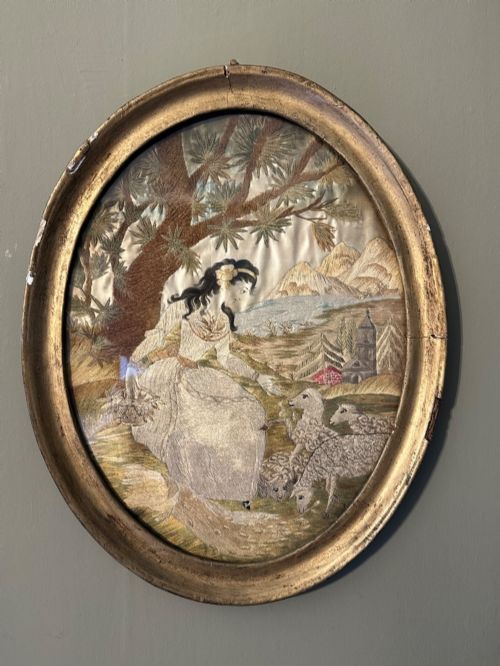
Alternative finishes include polished maple veneers and simple wood stains that highlighted the natural grain. Glazing techniques and textile mounts, such as velvet inserts, added depth and protected delicate watercolours, needlework, and silk pictures.
Listings feature works across the nineteenth century, incorporating Victorian, Regency, and Georgian periods alongside materials like giltwood, gesso, and oil on canvas.
Assessing craftsmanship and condition
Quality in a nineteenth century picture frame rests upon the crispness of the carved or moulded decoration and the integrity of the underlying construction. Superior examples retain their original gilding and deep relief work without excessive restoration.
The relationship between the frame and the artwork also influences desirability, particularly when original components remain intact. Frames designed specifically for deep box displays or complex mirrored sections demonstrate higher ambition from the maker.
Surface wear tells a story of age, but the best pieces maintain their structural joinery and decorative sharpness. Finer execution shows in the delicate application of gold leaf and the balanced proportions of corner ornaments.
Hubard Gallery
The Nineteenth Century Picture Frame Glossary
- Gesso
- A prepared mixture of chalk, gypsum, and glue used as a base for gilding on wood. Artisans applied this compound in layers before carving or stamping intricate relief patterns.
- Giltwood
- Timber that has been coated with gold leaf or metallic paint. This finish was standard for formal wall mirrors and important oil painting enclosures.
- Swept frame
- A picture frame featuring bold, undulating curves and scrolling mouldings. This decorative profile gained popularity during revival periods inspired by earlier European styles.
- Regency
- An English design period spanning the early decades of the nineteenth century. Pieces from this era often feature classical restraint, neoclassical motifs, and dark wood veneers.
- Gros-point
- A type of needlepoint embroidery worked on canvas using wool thread. It frequently appears in nineteenth-century decorative panels and pictorial wall art.
Nineteenth Century Picture Frame: Frequently Asked Questions
How do I date a nineteenth century picture frame?
Dating relies on stylistic clues, construction methods, and materials such as gesso composition or wood types. Regency examples often display classical restraint, whereas later Victorian iterations favour heavier relief work and robust ornamentation.
Examining the backboards, fixings, and joinery also helps establish an accurate timeframe. Original labels or stamps from framers provide definitive confirmation of origin.
Can I replace the glass or mirror in an antique frame?
Replacing glass or mirror plates is a common practice when original elements are missing or damaged beyond repair. Many historic surrounds have accommodated new glass or alternate artwork over their long lifespans.
When undertaking replacement, traditional glazing methods and appropriate thickness should be respected to protect the historic structure. Retaining original glass, however, preserves maximum authenticity.
How should I hang a heavy gilded frame?
Heavy gilded surrounds require secure wall fixings distributed evenly across the primary wooden structure rather than relying solely on old hanging rings. Professional picture hangers utilise appropriate wall plugs and heavy-duty wire suited to the weight of the timber and gesso.
Checking the stability of the corner mitres before hanging ensures the frame can support its own load safely. Regular inspection of cords and hooks prevents accidental slips.
What is the difference between a frame and a mirror?
While many nineteenth century picture frames were later adapted to hold mirror plates, dedicated wall mirrors were constructed with integrated glass and structural backings from the outset. Frames intended strictly for paintings often feature deeper rabbets to hold stretched canvases.
Examining the rebate depth and interior backing reveals whether the object began life as art enclosure or looking glass. Both forms share identical decorative vocabularies and gilding techniques.