
Nineteenth Century Ormolu
Nineteenth century ormolu brings together gilt bronze mounts, clocks and credenzas shaped by French revival styles and Victorian cabinet-making.
Nineteenth Century Ormolu
Nineteenth century ormolu encompasses decorative hardware and mounted furniture originating predominantly from French and Victorian workshops.
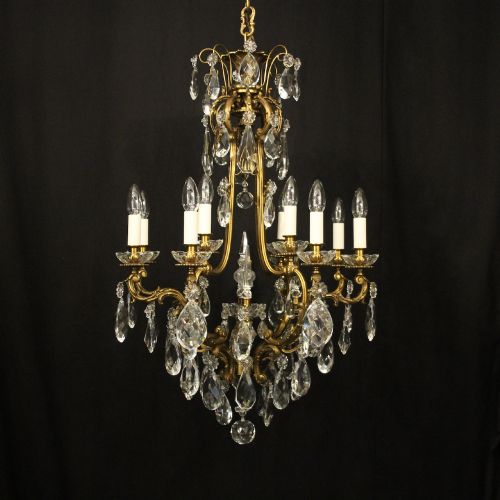
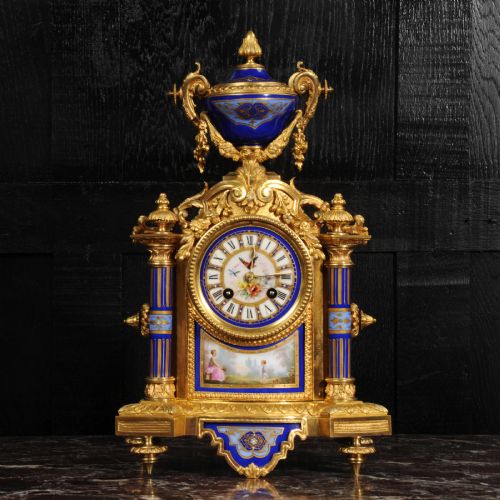
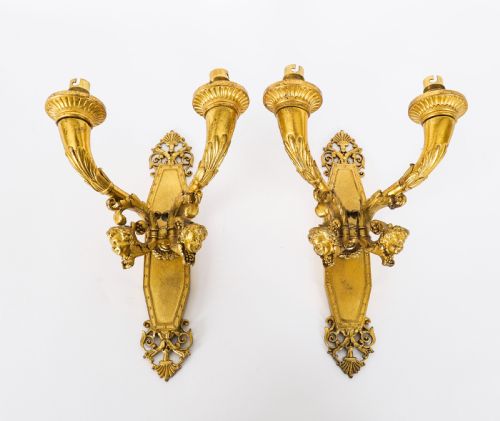
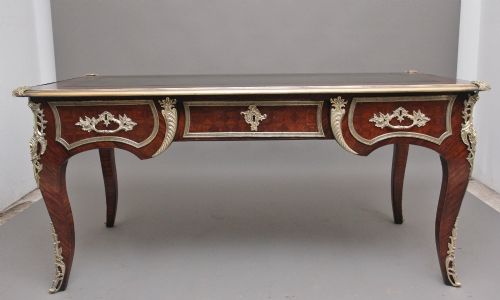
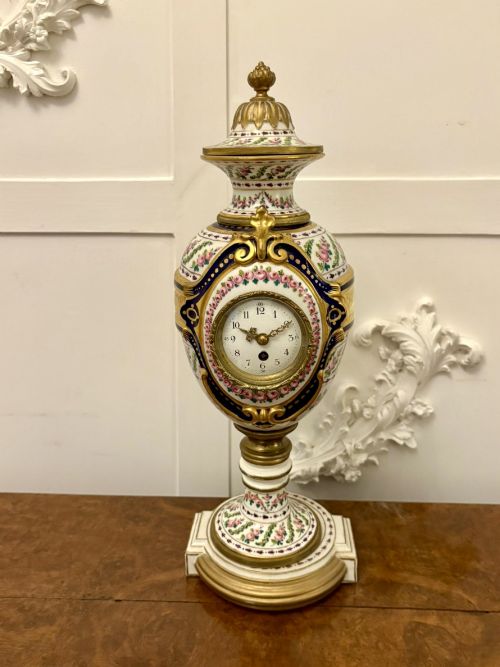
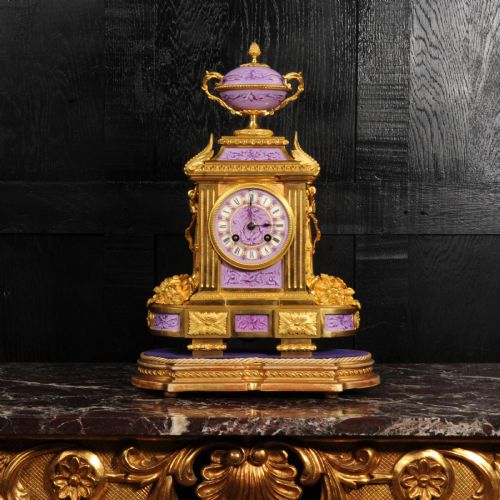
The objects span mantel clocks, candelabra, credenzas, desks and wall lights produced across the nineteenth century.
French Empire, Louis XV Revival and Victorian aesthetics dominate the forms encountered on this page.
Materials and Technique
Makers combined cast bronze with mercury or electro-chemical gilding to produce the distinctive ormolu surface.
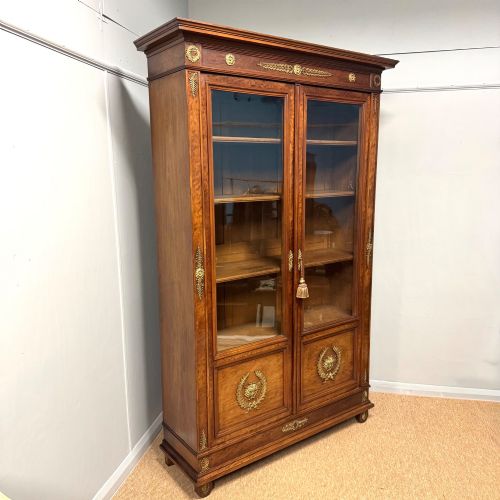
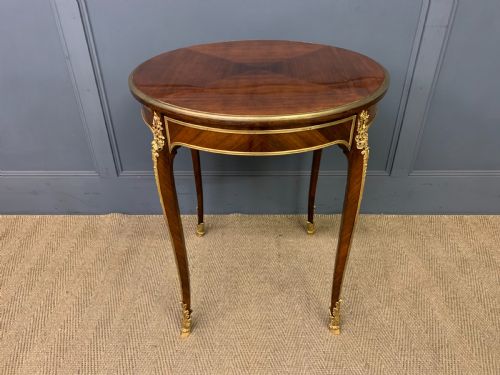
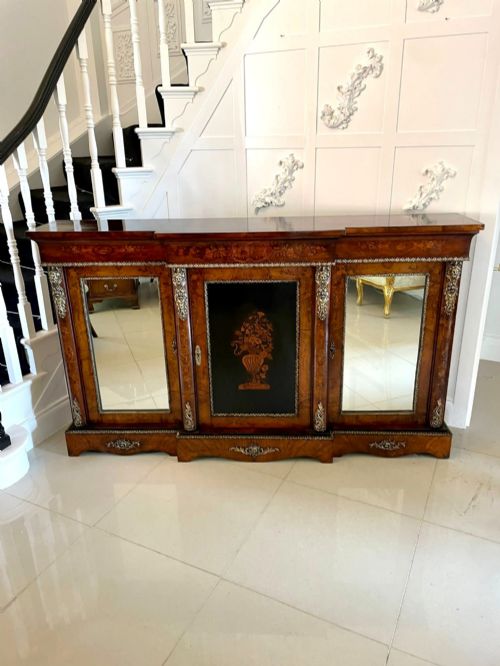
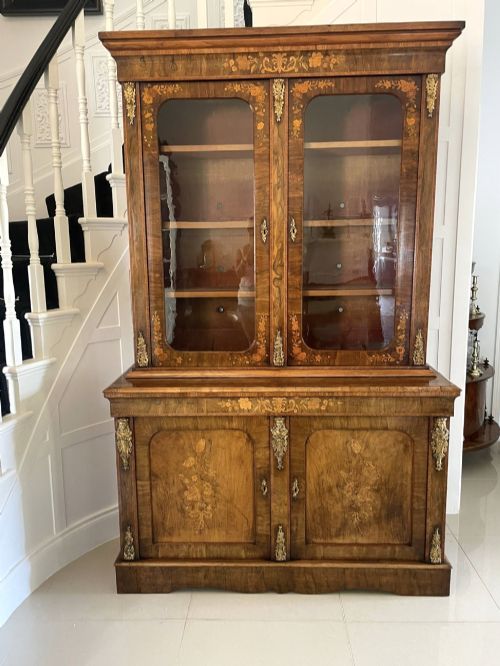
Timber carcasses in rosewood, walnut and kingwood provide the structural foundation for gilt-bronze mounts.
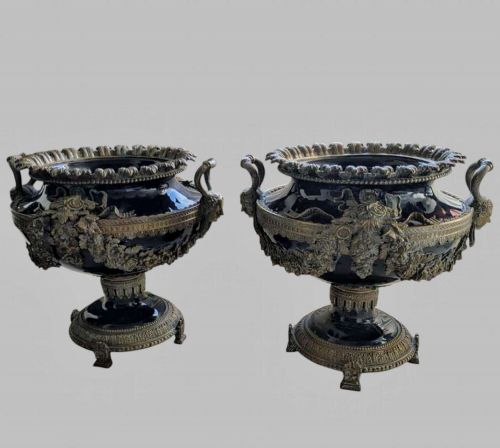
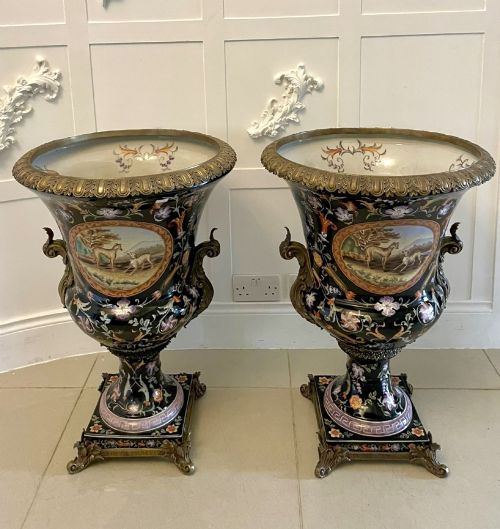
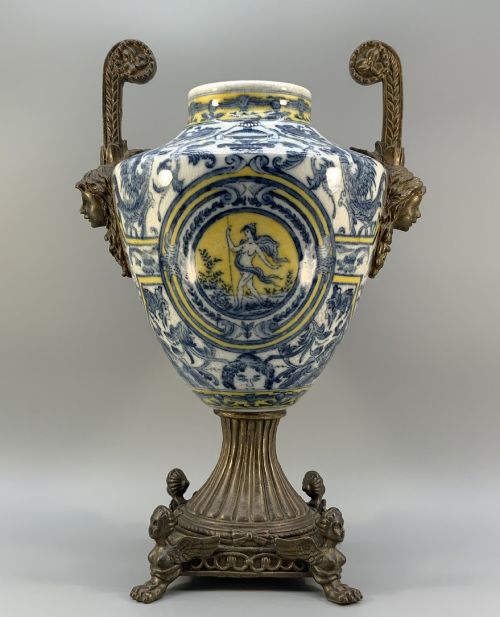
Porcelain panels, marble tops and glass elements frequently integrate with the metalwork.
Listings feature eighteenth century roots evolving into nineteenth century French Empire, Victorian, and Louis XV revival styles across multiple cabinet forms.
Craftsmanship and Detail
The crispness of the bronze casting and the depth of the subsequent chasing determine the definition of ornamental foliage and figures.
Integration between the metal mounts and the timber or porcelain body reflects the precision of the cabinet-maker.
Mechanisms in clockwork pieces and the preservation of original fire-gilding separate standard production from superior examples.
Francois Linke·Japy Freres·Achille Brocot·Barbedienne·Gillows·Edward Holmes Baldock
The Nineteenth Century Ormolu Glossary
- Ormolu
- Gilt bronze produced by applying a mixture of gold and mercury to a bronze base, or through later electroplating methods. The finish provides a rich golden lustre characteristic of decorative arts from the period.
- Vernis Martin
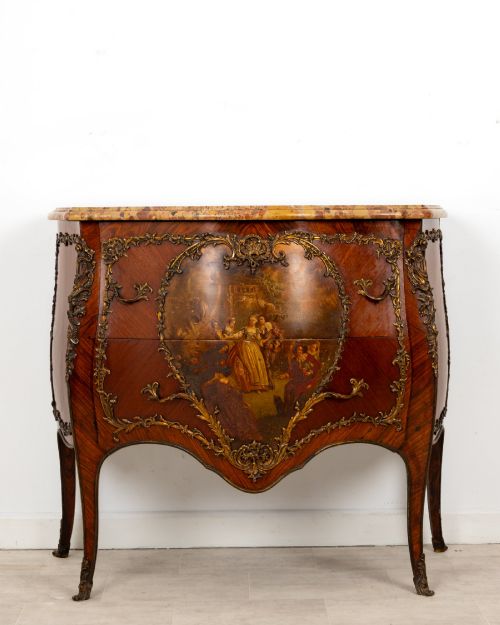
- A simulated Japanese lacquer developed in France, frequently used on panels alongside ormolu mounts. It gained popularity for its translucent layers and rich colour.
- Marquetry
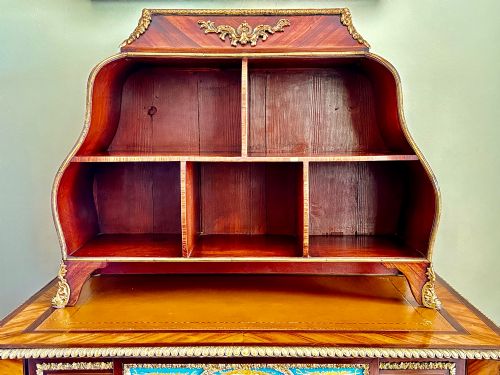
- Inlays of different woods arranged in decorative patterns across furniture surfaces. It often complements the brass and gilt-bronze mounts on cabinets and desks.
- Candelabra
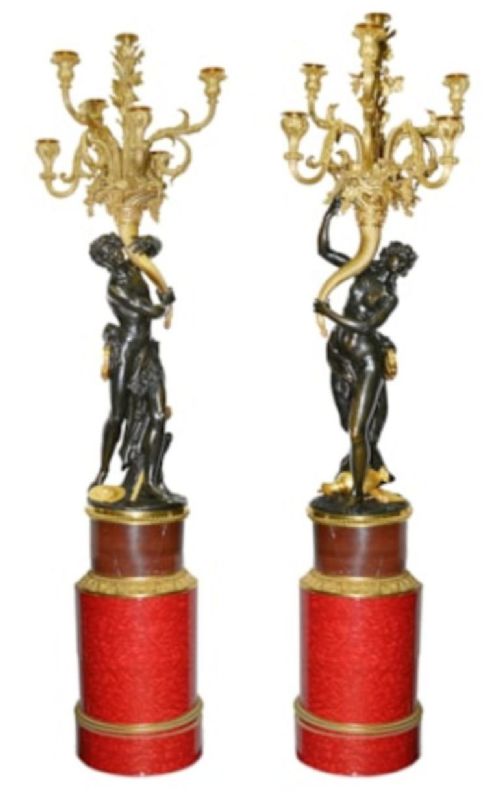
- Branched lighting fixtures designed to hold multiple candles, frequently cast in bronze and ormolu. These pieces often feature classical figural or floral motifs.
- Credenza
- A sideboard cabinet developed during the Victorian era, usually featuring glass doors and extensive ormolu mounts. It served both display and storage purposes in formal rooms.
Nineteenth Century Ormolu: Frequently Asked Questions
What is nineteenth century ormolu?
Nineteenth century ormolu refers to decorative objects and furniture mounts made from gilt bronze during the eighteen hundreds. These pieces draw heavily on French revival styles and Victorian craftsmanship.
The category includes mantel clocks, candelabra, wall lights and cabinets adorned with golden metalwork. The finish relies on mercury gilding or later plating techniques to achieve its characteristic shine.
How were ormolu mounts attached to furniture?
Mounts were cast to follow the exact contours of wooden surfaces like kingwood, rosewood and walnut. Craftsmen secured them using small brass pins or screws fitted through discreet holes in the metal.
This method allowed the gilt bronze to accent key architectural points on desks, credenzas and card tables without disrupting the timber grain. The precision of the fit indicates the skill of the cabinet-maker.
How do I care for ormolu surfaces?
Ormolu requires gentle dusting with a soft, dry brush to prevent the accumulation of dirt within the chased details. Avoid abrasive cleaners or metal polishes that can strip the delicate surface gilding.
Keeping pieces away from direct sunlight and damp environments helps preserve the underlying bronze and any accompanying timber or porcelain elements.
How can I distinguish French and English pieces?
French pieces often adhere strictly to Empire, Louis XIV or Louis XV revival styles with cast bronze figures and intricate floral chasing. Maker signatures from Paris workshops frequently appear on clock movements and mounts.
English pieces from the same era, such as those by Victorian makers, tend to combine ormolu with indigenous timbers like burr walnut and incorporate local cabinet-making traditions.