

Nineteenth Century Oil
Nineteenth century oil brings together period canvases, painted portraits, and functional lighting fuelled by oil.
Nineteenth Century Oil
Nineteenth century oil spans fine art paintings on canvas, panel, and board alongside domestic oil lamps and illuminated mirrors. The selection divides broadly between framed pictorial works and period lighting items powered by oil.
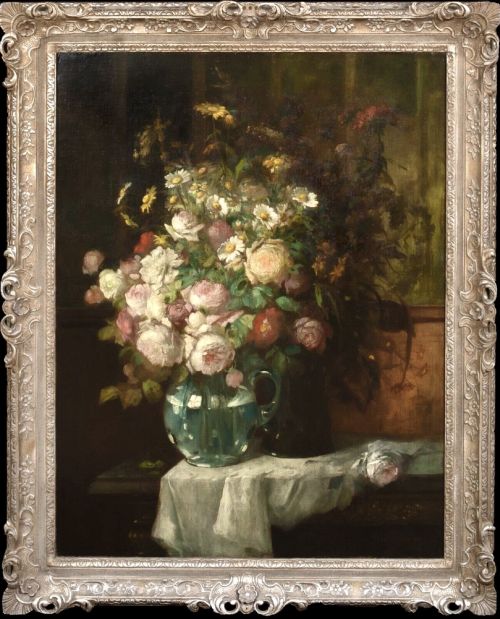
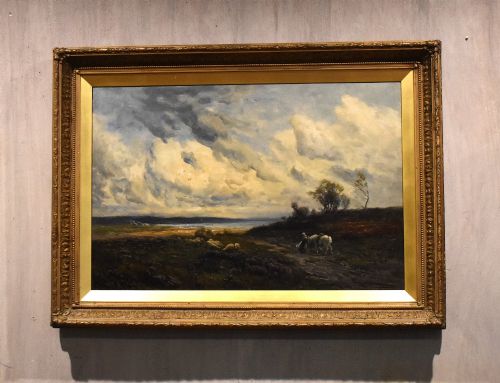
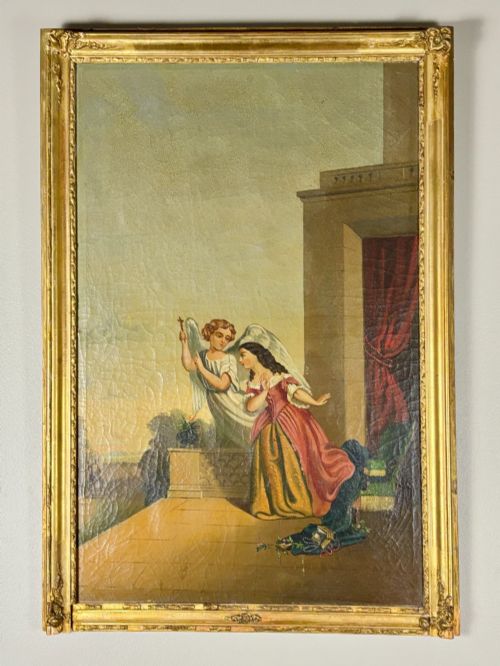
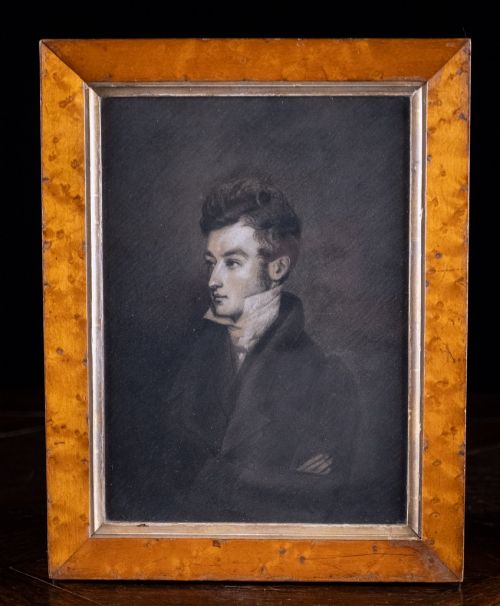
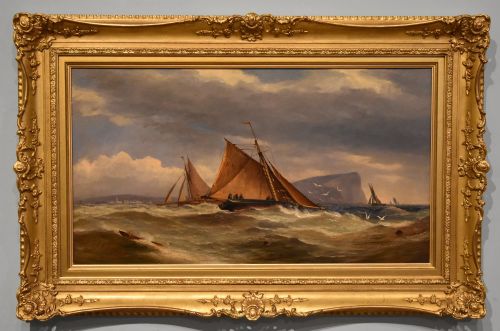
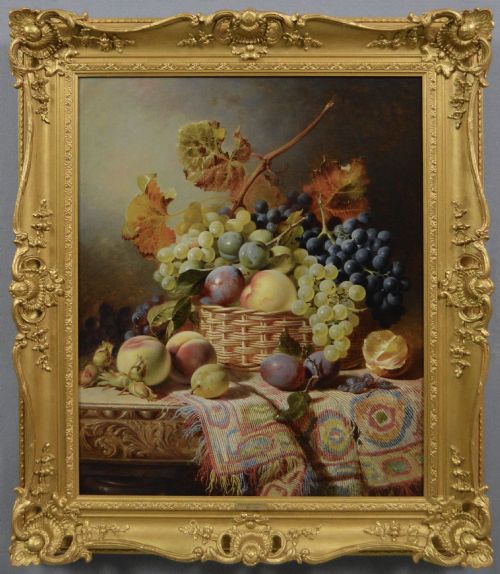
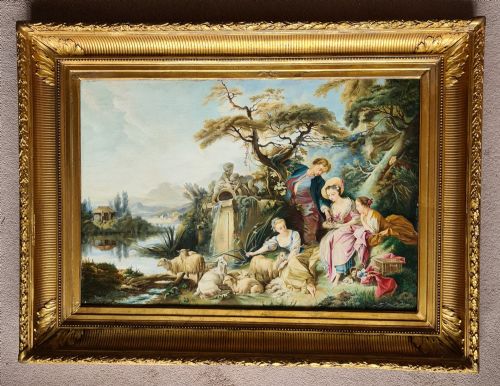
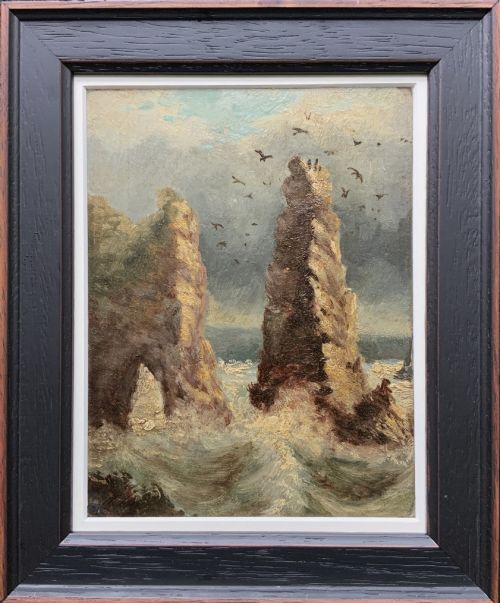
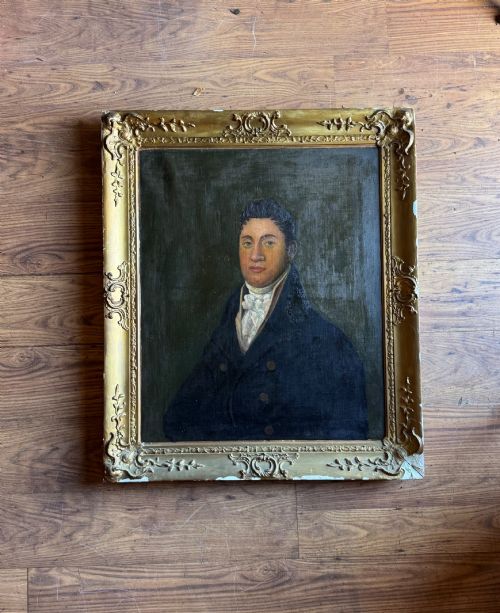
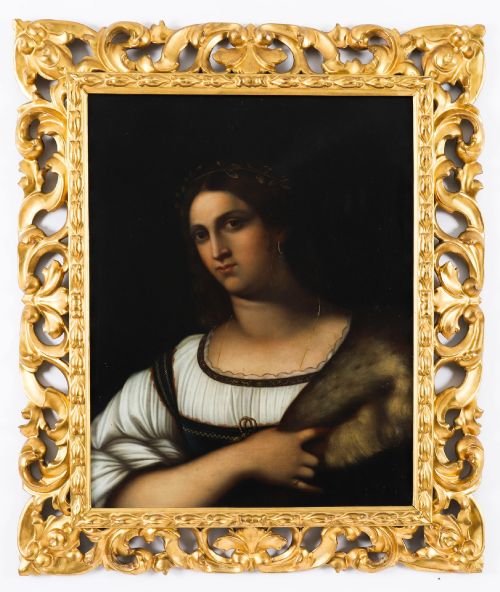
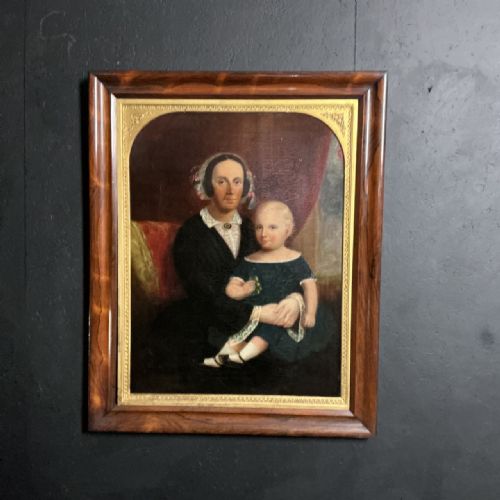
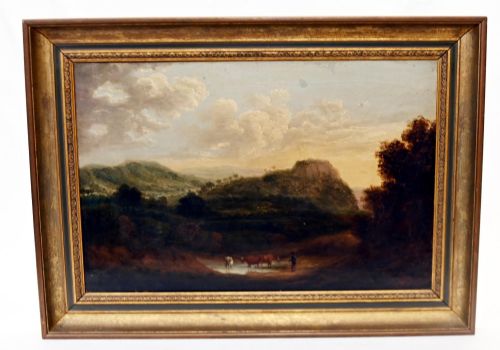
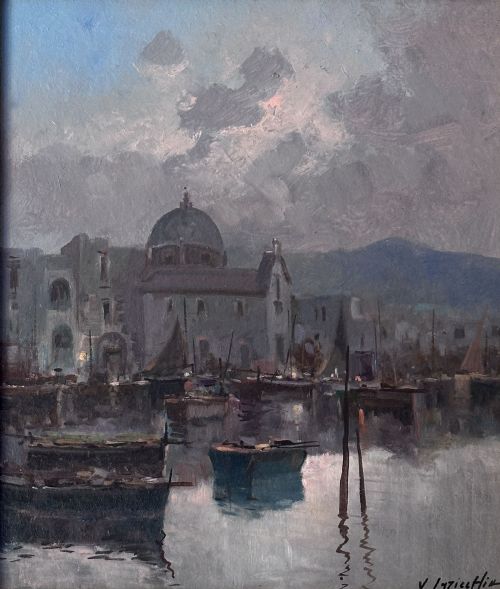
Fine art pieces range from maritime scenes and pastoral landscapes to military subjects and formal portraiture. These works typically date across the Victorian era and the broader nineteenth century, reflecting diverse schools from British landscapes to Barbizon compositions.
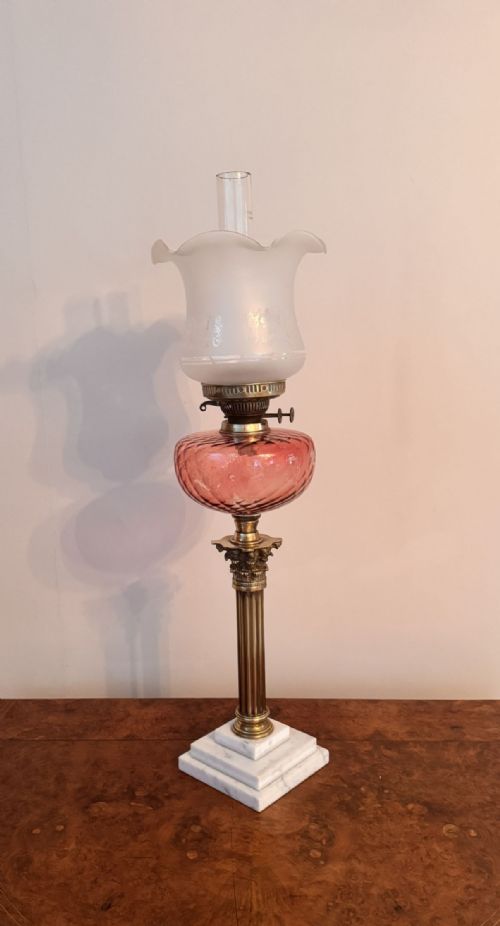
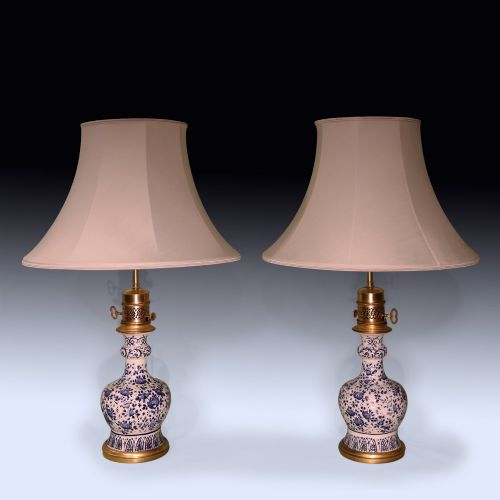
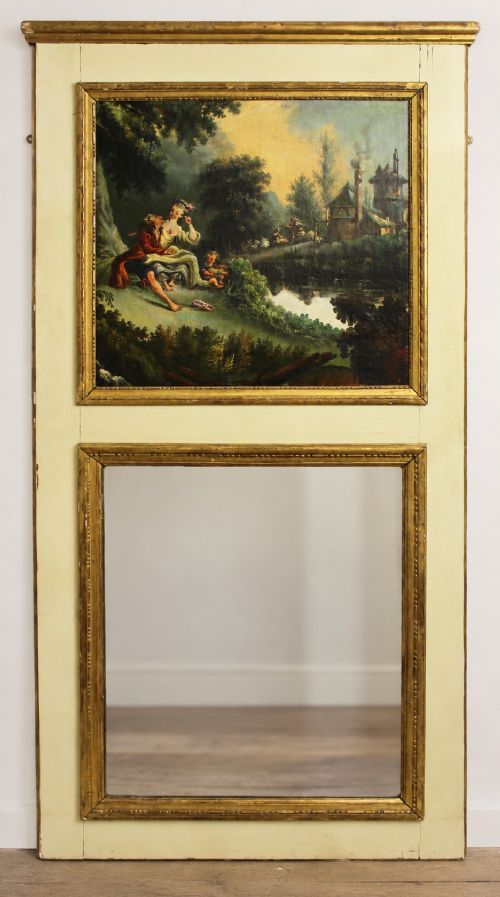
Domestic pieces include glass, brass, and porcelain oil lamps, often fitted with double burners and cranberry glass reservoirs. Trumeau mirrors integrating oil paintings within their wooden frames also appear among the selections.
Materials and construction methods
Painters utilised oil paint applied to canvas, wood panels, or gesso grounds, frequently securing the work within gilt wood and gesso frames. Canvases are stretched over wooden frames, whilst panel paintings employ solid timber supports.
Illumination pieces combine materials such as brass, marble, cranberry glass, and Chinese porcelain to form the lamp bodies and reservoirs. Metal burners, ceramic fonts, and glass chimneys complete the functional lighting structures.
Mirrors and trumeau frames incorporate carved wood, giltwood, and inset painted panels executed in oil. Joinery and gilding techniques reflect the cabinet-making standards of the nineteenth century.
Nineteenth Century Oil Retail Price Guide 2026
Typical asking prices for nineteenth century oil among the pieces listed under this phrase on Sellingantiques today, from the lower quarter to the upper quarter. They describe what is for sale here now, not the wider market.
A proud shorthorn bull and assorted hunting dogs share the canvas with portraits of cardinals and maritime shipping.
Distinctions in quality
The standard of execution in paintings rests upon the handling of brushwork, compositional balance, and the preservation of the original pigment layer. Signed works by documented artists or recognised regional schools often exhibit finer detail in anatomy, light, and perspective.
Physical preservation dictates the integrity of both canvases and lamps, where intact original gilding, uncompromised canvas weave, and undamaged glass components elevate the piece. Restorations, relining of canvases, or replaced lamp burners alter the original state of the object.
William Ayerst Ingram·William Mellor·George Armfield·Sir Martin Archer Shee·William Howard Hardy·Oliver Clare·James Kay RSW·Alfred Pollentine·Francis Moltino·John Horace Hooper·Abraham Cooper RA·Edgar Hunt
The Nineteenth Century Oil Glossary
- Oil on Canvas
- Pigment mixed with a drying oil binder applied to a woven fabric support. This surface formed the primary medium for nineteenth century fine art paintings.
- Gilt Wood
- Timber coated with a thin layer of gold leaf or metallic powder over a prepared ground. Frames and trumeau mirrors frequently employ this finish.
- Trumeau
- A decorative wall mirror featuring an oil painting set into the upper wooden panel. These architectural elements originated in French interior design.
- Cranberry Glass
- A rich red glass produced by adding gold chloride to the molten batch. Victorian oil lamps and decorative vessels frequently utilised this distinctive glass.
- Barbizon School
- A collective of French landscape painters associated with naturalistic rural scenes during the mid nineteenth century. Their works emphasise atmospheric effects and unidealised countryside views.
Nineteenth Century Oil: Frequently Asked Questions
What defines a nineteenth century oil painting?
These works utilise oil-based pigments on supports like canvas or wood panel, created during the eighteen-hundreds. Subjects range from maritime views and military engagements to pastoral landscapes and portraits.
The style varies from naive folk art to academic realism and Barbizon school naturalism. Signatures or attributions often link the pieces to specific British and European schools.
How do oil lamps function?
Period oil lamps burn fuel stored in a glass, porcelain, or metal reservoir using a cotton wick adjusted by a brass burner. Double burner models provide increased illumination compared to single wick variants.
Fuel is drawn upward through the wick by capillary action. Glass chimneys steady the flame and improve combustion efficiency.
What is a trumeau mirror?
A trumeau mirror is a tall wall glass paired with an integrated painted panel, typically positioned above a mantelpiece. The upper section usually houses an oil painting depicting a pastoral or architectural scene.
Originating in neoclassical interior design, these pieces combine woodwork, mirror glass, and fine art into a single architectural fixture.
How should I care for oil paintings?
Display oil paintings away from direct sunlight, excessive moisture, and fluctuating temperatures to prevent canvas warping and pigment cracking. Dust surfaces gently with a soft, dry brush without applying pressure or cleaning agents.
Avoid touching the painted surface directly, as natural oils from skin can damage the varnish layer. Professional conservation is recommended for any structural repairs to the canvas.