






Nineteenth Century Model
A nineteenth century model captures the ambition and curiosity of its era, offering tangible scale and detail across architectural, mechanical, and sculptural forms.
Nineteenth Century Model
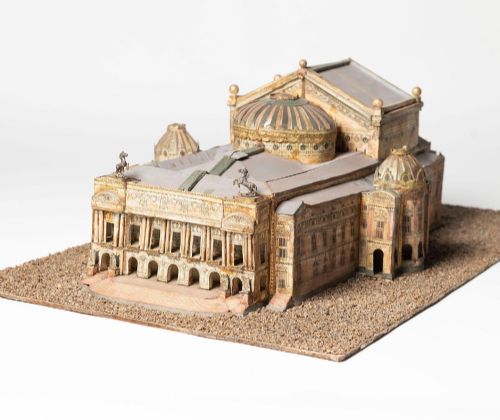
A nineteenth century model encompasses diverse functional and decorative objects, ranging from architectural subjects like the Paris Opera House and Welsh fire surrounds to scientific instruments and mechanical inventions.
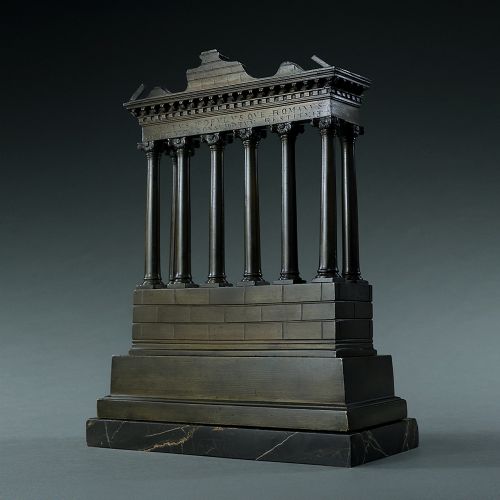
Buyers encounter subjects spanning Grand Tour bronzes and male nudes, articulated artist lay figures in wood, maritime sailing ships, and detailed dioramas of industrial copper smelting furnaces.
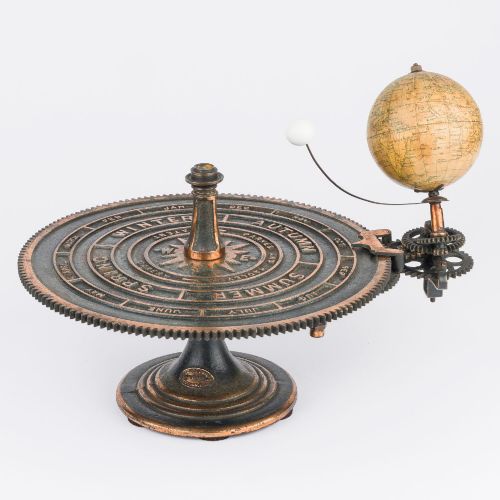
The selection includes specific utility pieces such as patent orreries, signal cannons, and miniature dining tables alongside portrait figures, majolica trays, and figural spelter lamps.
Materials and Techniques
Makers utilised traditional rigid materials, shaping bronze, brass, cast iron, and copper through casting and metalworking techniques to produce mechanical models, armaments, and scientific apparatus.
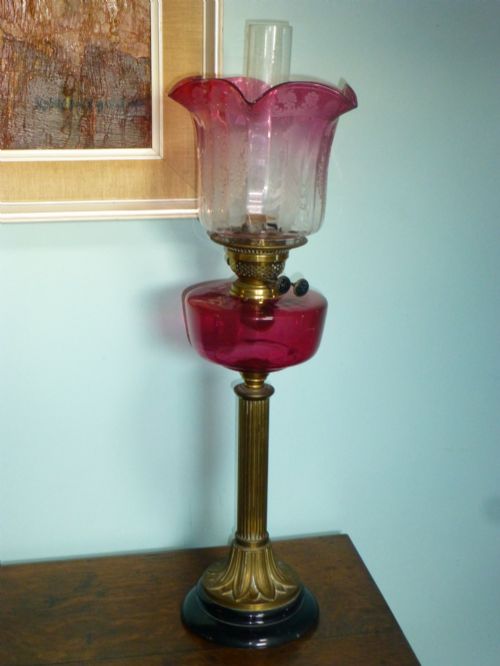
Glass, paper, wax, slate, and stone appear across specialised categories such as oil lamps, dioramas, sarcophagi, and decorative ceramic pearlware or majolica trays.
Nineteenth Century Model Retail Price Guide 2026
Typical asking prices for nineteenth century model among the pieces listed under this phrase on Sellingantiques today, from the lower quarter to the upper quarter. They describe what is for sale here now, not the wider market.
The selection spans Victorian, Regency, Grand Tour, French, Beaux-Arts, and Neoclassical styles.
Quality and Execution
The standard of a nineteenth century model depends on the precision of its articulation, mechanical operation, or architectural fidelity to the original subject.
Material finish and surface patination distinguish finer examples, particularly in cast bronzes, hand-carved wooden figures, and detailed patinated metalwork.
Complexity of construction, whether in multi-part operating machinery or intricate architectural dioramas, marks the distinction between standard production and master craftsmanship.
Parkes and Hadley·Gillows·George Jones·Jean-Henri Riesener
The Nineteenth Century Model Glossary
- Orrery
- A mechanical model of the solar system that illustrates the relative positions and motions of the planets and moons.
- Artist Lay Figure
- An articulated wooden mannequin used by painters and sculptors to study human anatomy, drapery, and pose.
- Grand Tour
- Souvenirs and miniature bronzes, architectural models, or stone antiquities acquired by travellers touring European cultural centres.
- Majolica
- Low-fired earthenware decorated with colourful opaque glazes, popular during the Victorian period for decorative trays and figures.
- Pearlware
- A fine-grained earthenware developed by Josiah Wedgwood featuring a bluish-white glaze that enhanced underglaze blue painting.
Nineteenth Century Model: Frequently Asked Questions
What is a nineteenth century model?
A nineteenth century model refers to a diverse category of miniature representations, including architectural structures, machinery, sailing ships, scientific instruments, and sculptural figures produced during the eighteen-hundreds.
These pieces reflect the period's fascination with industrial progress, classical antiquity, and mechanical innovation.
How were artist lay figures used?
Artists utilised fully articulated wooden lay figures to accurately render complex clothing folds and human anatomy in paintings and drawings.
The movable joints allowed the mannequin to hold static poses for extended periods.
What materials are common in these models?
The selection includes metalwork in bronze, brass, cast iron, and copper alongside carved wood, slate, stone, and ceramic pearlware or majolica.
Specific forms also incorporate glass, paper, and wax to achieve accurate textures.
How do I date a nineteenth century model?
Dating relies on recorded patent dates, stylistic markers associated with Victorian, Regency, or Grand Tour aesthetics, and documented maker attributions.
Materials and construction techniques further help narrow the period of manufacture.