

Nineteenth Century Light
Nineteenth century light brings together oil lamps, candelabra, chandeliers, and wall sconces that illuminate rooms with period character.
Nineteenth Century Light
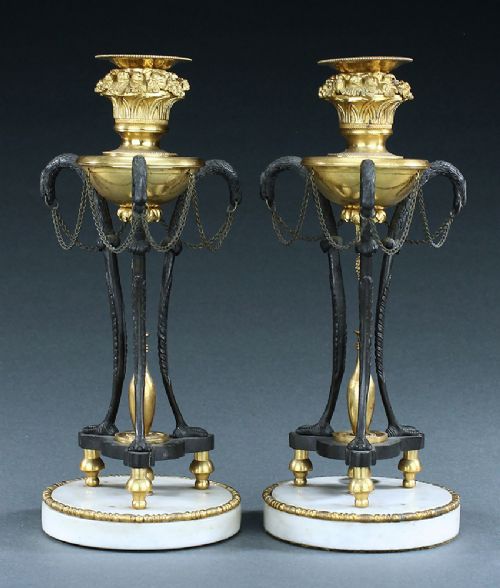
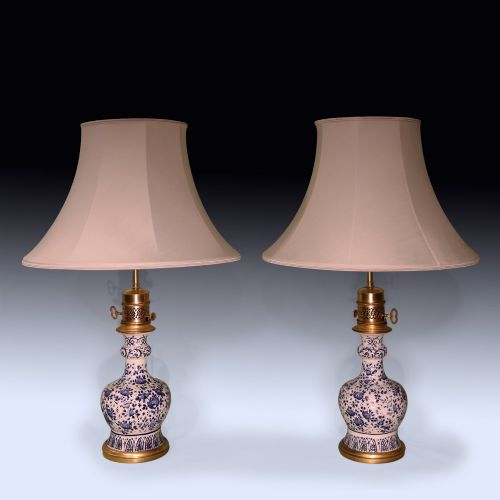
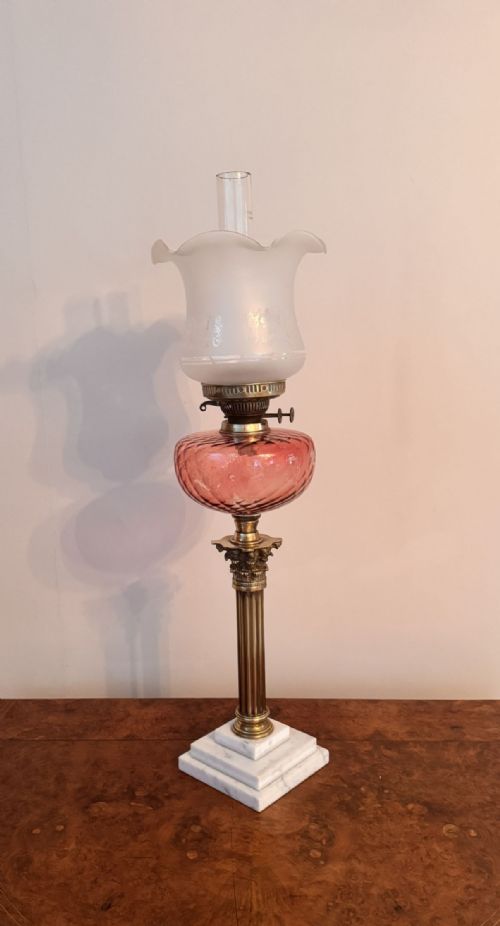
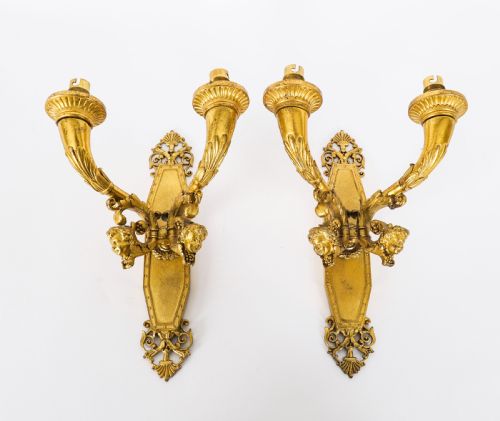
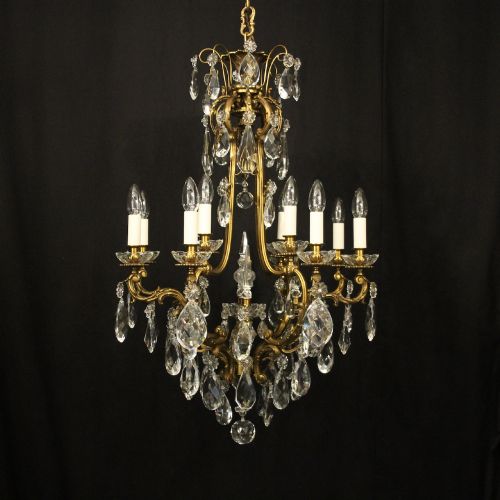
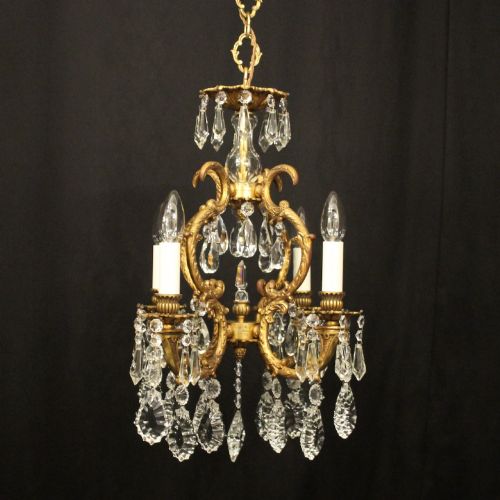
Nineteenth century light encompasses a wide variety of illumination devices, from oil lamps featuring cranberry glass and brass to substantial bronze and ormolu candelabra. Buyers searching for nineteenth century light often encounter pairs of decorative table lamps, French chandeliers mounted with crystal, and wall sconces designed in revival styles.
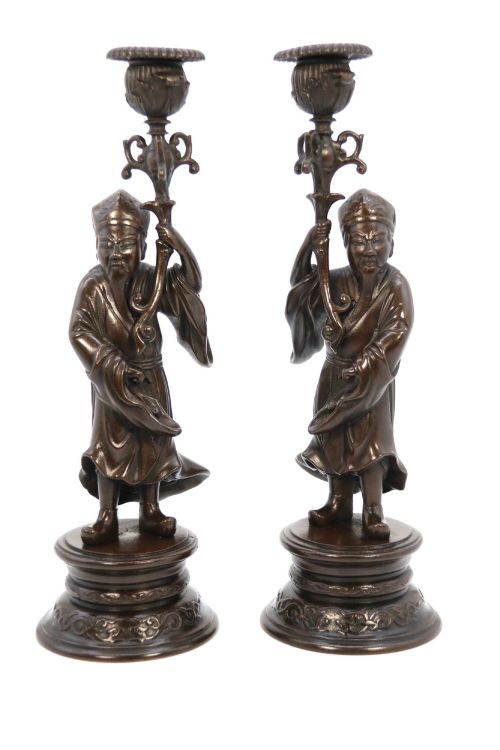
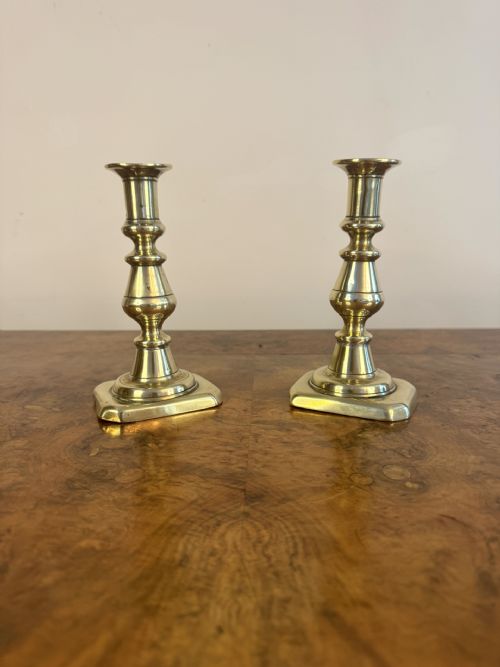
The selection ranges from utilitarian brass hallway lanterns to ornate figural candlesticks and multi-branch candelabras. Pieces span several decades within the period, reflecting diverse stylistic influences including French Rococo, Empire, and Victorian aesthetics.
How They Were Made
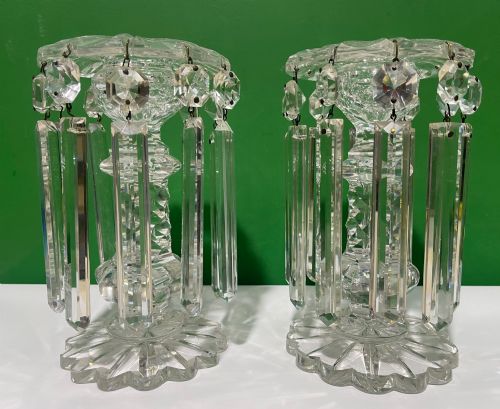
Makers utilised metals such as brass, gilt bronze, ormolu, and silver plating to form the structural bodies and decorative mounts of these lighting pieces. Frequently, these metallic elements were combined with contrasting materials like marble, wood, and glass, including distinct cranberry and crystal components.
Techniques involved casting, chasing, and repousse work, particularly evident in the detailed foliage and figural motifs found on French and Dutch wall sconces and candelabra. Craftspeople also incorporated fabric shades and hand-painted porcelain to complete table and standard lamps.
Nineteenth Century Light Retail Price Guide 2026
Typical asking prices for nineteenth century light among the pieces listed under this phrase on Sellingantiques today, from the lower quarter to the upper quarter. They describe what is for sale here now, not the wider market.
Black Forest bronze bears double up quite happily as fierce little desk companions holding your evening taper.
What Varies in Quality
Quality rests upon the crispness of the metal casting and the precision of the chasing, where sharper relief and finer hand-finishing distinguish superior ormolu and bronze pieces. The weight and stability of the materials, such as solid marble bases and heavy-gauge brass, also indicate superior production standards.
Design integration plays a role, with top-tier examples demonstrating a harmonious balance between mounts, glass elements, and structural forms. Furthermore, the retention of original components, such as intact crystal drops or period burners, elevates the standing of an item.
Barbedienne·Hawksworth Eyre·Thomas Hope·Howard and Sons
The Nineteenth Century Light Glossary
- Ormolu
- Gilt bronze, where a finely ground high-carat gold-mercury amalgam is applied to a bronze object. This technique produces a rich, durable golden surface seen on French lighting pieces.
- Candelabra
- A branched candlestick designed to hold multiple candles at once. These multi-light fixtures often serve as grand table centerpieces or mantle ornaments.
- Repousse
- A metalworking technique where the metal is hammered from the reverse side to form a raised design in relief. It appears frequently on Dutch wall sconces.
- Cassolette
- A decorative vase or vessel, often mounted in ormolu, featuring a pierced lid that allowed scented substances to diffuse. In lighting, these forms were frequently converted into lamp bases.
- Champleve
- An enamelling technique where troughs are carved into a metal surface and filled with vitreous enamel powder before firing. This colourful decoration enhances nineteenth century desk sets and candlesticks.
Nineteenth Century Light: Frequently Asked Questions
How do I wire an oil lamp?
Converting an antique oil lamp for electricity involves running a discreet cord through the existing burner mechanism without altering the exterior brass or glass structure.
Professional rewiring ensures the piece meets modern safety standards while preserving the original aesthetic of the nineteenth century base.
What is the difference between ormolu and brass?
Ormolu consists of cast bronze treated with a gold-mercury amalgam, resulting in a deep, warm golden tone that resists tarnishing. Brass is an alloy of copper and zinc with a brighter, yellower metallic appearance.
While brass was often left polished or lacquered, ormolu received chemical treatments to enhance its decorative sheen on high-status French pieces.
How do I clean gilt bronze?
Dust gilt bronze and ormolu gently using a soft, dry artist brush to remove particles from deep crevices. Avoid harsh chemical cleaners or abrasive cloths, which can strip away the delicate historic surface gilding.
Were these chandeliers originally gas or candle?
Many nineteenth century chandeliers were produced during a transitional era and originally burned candles or used gas jets before later conversion to electricity. Surviving branches and mounting configurations usually indicate the original fuel source.