



Nineteenth Century Headboard
A nineteenth century headboard brings genuine period character to a bedroom, combining robust nineteenth century craftsmanship with distinctive brass, iron, and timber designs.
Nineteenth Century Headboard
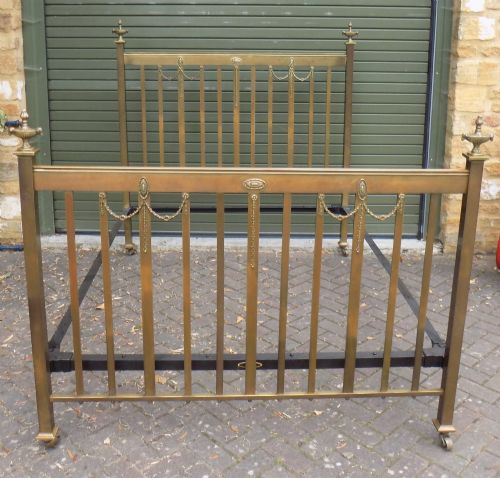
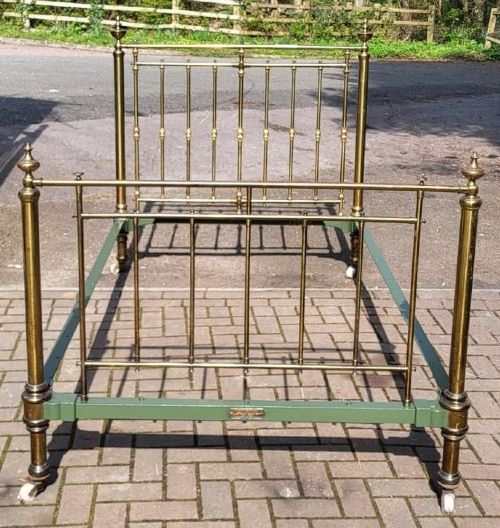
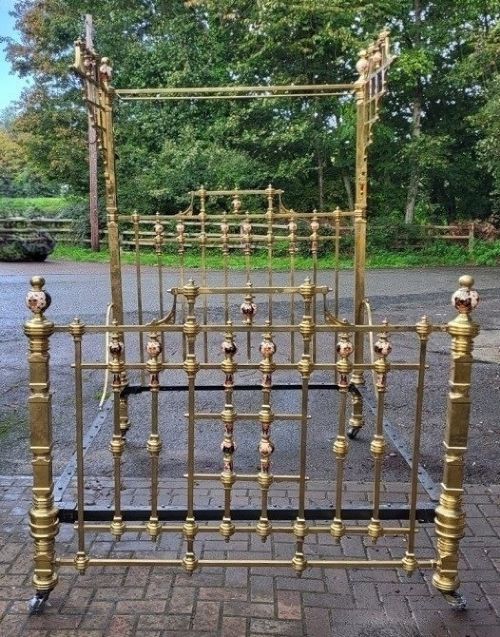
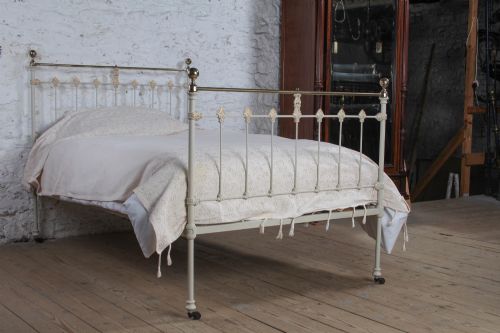
A nineteenth century headboard usually takes the form of a complete bedstead or bed frame originating from the Victorian era and adjacent years, rather than a standalone panel designed to attach to a modern wall. These pieces frequently appear in brass, cast iron, and timbers such as burr walnut, satinwood, and Hungarian ash, reflecting the diverse material preferences of nineteenth century makers.
Buyers encountering this nineteenth century headboard selection will find forms ranging from standard double and king sizes to small double, three quarter queen, and single formats. Styles span from classic Victorian and French designs to Arts and Crafts, French Empire, and Art Nouveau interpretations, often incorporating side rails and irons for structural support.
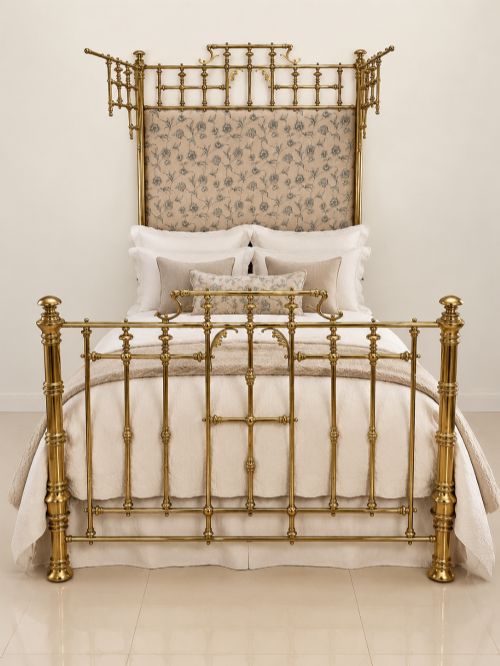
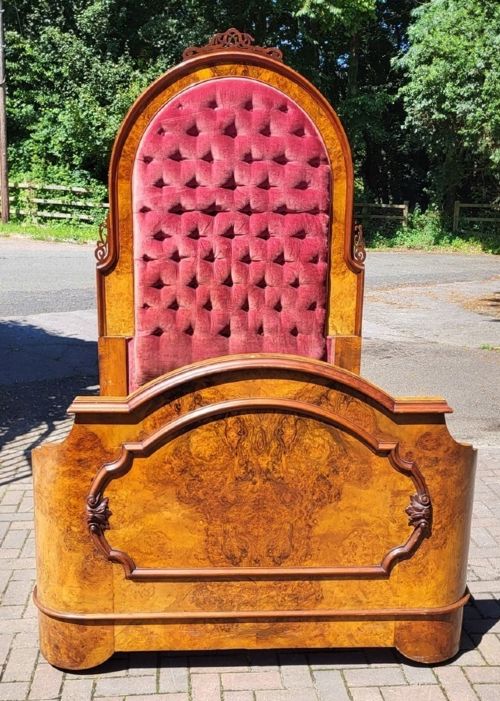
Many examples showcase the ornate metalwork typical of the period, including half tester configurations and high button back upholstery. The pieces originate primarily from the Victorian period, with specific dates recorded from the mid-nineteenth century through to the early twentieth century.
Construction and materials
Metal bedframes utilise solid brass, cast iron, and brass components combined with side rails and irons to ensure structural integrity. These materials were shaped using period foundry techniques to create both simple double frames and elaborate half tester structures.
Wooden examples employ quality timbers including burr walnut, satinwood, and Hungarian ash. Craftsmen utilised these hardwoods for durability and decorative grain patterns, occasionally pairing them with upholstered elements such as high button backs.
Nineteenth Century Headboard Retail Price Guide 2026
Typical asking prices for nineteenth century headboard among the pieces listed under this phrase on Sellingantiques today, from the lower quarter to the upper quarter. They describe what is for sale here now, not the wider market.
Listings feature Victorian, Edwardian, and early twentieth century periods, spanning materials from solid brass and cast iron to burr walnut, satinwood, and Hungarian ash.
Assessing quality and craftsmanship
Quality in a nineteenth century headboard or bedstead rests upon the substance of the materials and the refinement of the construction. Solid brass framing and exhibition quality casting distinguish superior metalwork from standard production, while dense hardwoods like burr walnut and satinwood elevate the wooden frames.
The sophistication of the design dictates the standing of a piece within its period. Articulated details such as half tester tester canopies, intricate Art Nouveau metal motifs, and button back fabric upholstery separate standard sleeping furniture from finer decorative examples.
RW Winfield·Shapland and Petter
The Nineteenth Century Headboard Glossary
- Bedstead
- A framework of a bed upon which the mattress is supported. This term frequently encompasses the headboard, footboard, and side rails in nineteenth century pieces.
- Half Tester
- A bed having a canopy that extends only part of the way over the length of the bed. It provides a dramatic focal point characteristic of finer nineteenth century sleeping quarters.
- Burr Walnut
- A highly prized wood veneer showing intricate swirling grain patterns. It was favoured by nineteenth century cabinet makers for luxurious bedroom furniture.
- Art Nouveau
- An international style of art and architecture prominent in the late nineteenth and early twentieth centuries. It is characterised by flowing, organic lines and stylised natural motifs.
- Side Rails
- Longitudinal timber or metal bars connecting the headboard and footboard of a bedstead. They provide the necessary rigid support for modern or period mattress bases.
Nineteenth Century Headboard: Frequently Asked Questions
What sizes are these beds?
The selection includes various formats such as single, small double, three quarter queen, double, and king sizes. These dimensions reflect the sizing standards of the nineteenth century.
Buyers should verify exact measurements before purchase, as historical bed sizes often differ slightly from modern mattress dimensions.
How do I care for brass?
Period brass benefits from gentle dusting and occasional cleaning with appropriate metal care products to maintain its finish. Avoid abrasive cleaners that might damage historical surfaces.
Preserving the natural patina often enhances the character of nineteenth century metalwork over time.
Can I use a modern mattress?
Many nineteenth century bed frames accommodate standard modern mattresses, provided the internal dimensions and side rail lengths are compatible. Modern slats or base boards can often be integrated.
Consult the specific dimensions of the frame to ensure a proper fit for your chosen mattress.