




Nineteenth Century Green Glass
Nineteenth century green glass items bring rich botanical tones and brilliant light into a room, capturing the distinct craftsmanship of the Victorian and Regency eras.
Nineteenth Century Green Glass
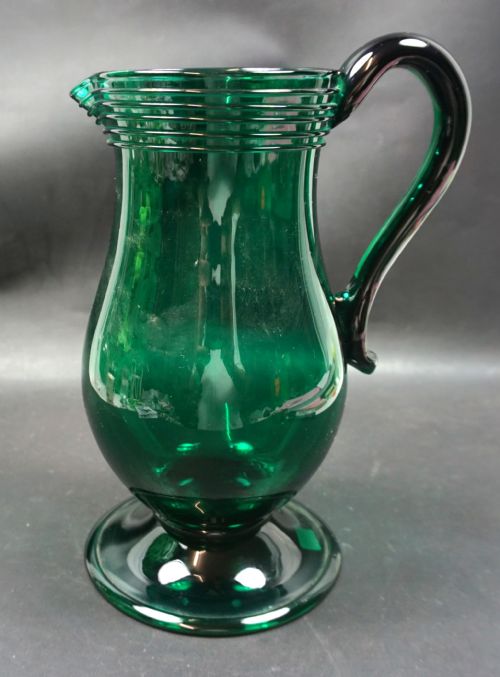
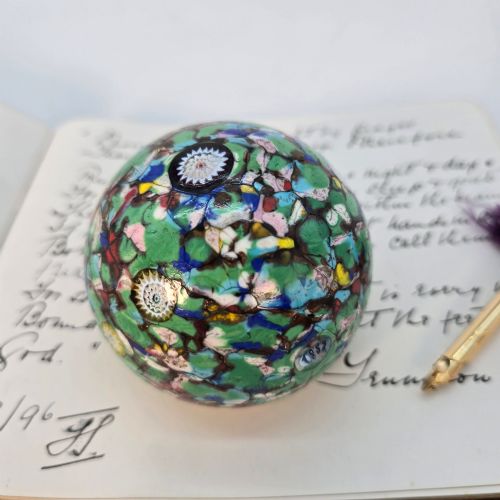
When you search for nineteenth century green glass, you encounter a varied selection of domestic glassware, decorative objects, and personal accessories spanning the Victorian and Regency periods. These pieces include functional vessels such as hock decanters and jugs, alongside decorative items like paperweights and glass dumps.
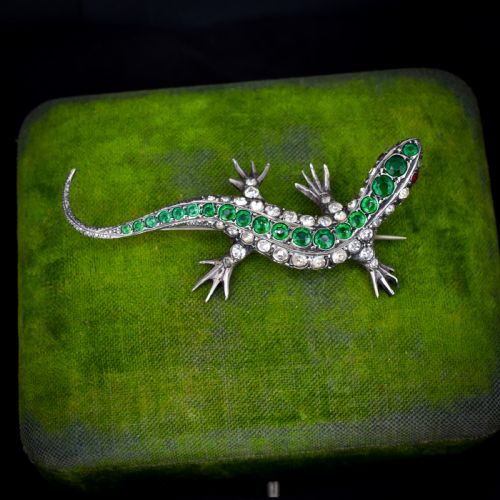
The objects on this page largely reflect mid to late Victorian manufacturing, featuring characteristic forms like aqua dessert wine glasses and leaded windows. Many examples combine green glass with materials such as silver, wood, or paste to create striking decorative items.
While the selection ranges from delicate tableware to architectural stained glass windows, each piece shares the distinctive colour palette typical of nineteenth century glass production. Collectors often find these items used both as functional table pieces and as standalone decorative accents.
How they were made
The production of nineteenth century green glass relied on traditional blowing, cutting, and overlay techniques executed by skilled makers. Coloured glass recipes often involved metallic oxides to achieve deep hues ranging from subtle aqua tones to vibrant uranium green.
Many vessels feature applied elements such as folded feet and trail rims shaped while the material remained pliable. Overlay glass methods involved fusing layers of different colours before cutting through the outer layer to reveal the contrasting green base beneath.
Decorative inclusions such as sulphide plaques were pressed directly into molten glass to create detailed motifs like thistles within solid paperweights and dumps. Stained glass windows combined leaded calmes with hand painted designs to produce complex pictorial panels.
Nineteenth Century Green Glass Retail Price Guide 2026
Typical asking prices for nineteenth century green glass among the pieces listed under this phrase on Sellingantiques today, from the lower quarter to the upper quarter. They describe what is for sale here now, not the wider market.
Glassworkers once shaped leftover end-of-day molten metal into heavy glass dumps, turning factory scraps into charming desktop paperweights containing tiny floating bubbles.
What varies in quality
Quality in nineteenth century green glass depends primarily on the clarity of the material and the precision of the forming techniques. Superior pieces display smooth surfaces, even colour saturation, and carefully finished pontil marks where the object was detached from the blowpipe.
The complexity of the workmanship also distinguishes finer examples, particularly in cut crystal decanters and layered overlay glass. Sharp facets and crisp details on applied trails or engraved surfaces indicate a higher standard of production by skilled artisans.
The Nineteenth Century Green Glass Glossary
- Hock decanter
- A tall bottle traditionally used for serving white wine, often rendered in coloured glass during the nineteenth century. These vessels frequently feature long necks and cut or panelled bodies.
- Overlay glass
- A technique involving two or more distinct layers of glass fused together before portions of the exterior layer are cut away. This process creates striking contrast between the surface pattern and the base colour.
- Sulphide
- A small ceramic cameo or plaque embedded within clear or coloured glass, typically appearing silver-white in tone. They were frequently utilised in Victorian paperweights and glass dumps.
- Glass dump
- A solid glass weight, sometimes containing bubbles or sulphide motifs, originally produced as a byproduct from glasshouse melting pots at the end of a working day. Workers shaped the molten remnants into decorative paperweights and doorstops.
- Trail rim
- A decorative thread of molten glass applied around the edge of a vessel opening or handle while hot. This technique added both texture and structural reinforcement to jugs and glassware.
Nineteenth Century Green Glass: Frequently Asked Questions
How do I identify Victorian green glass?
Identifying Victorian green glass involves examining the form, material quality, and manufacturing characteristics typical of the period. Many items display distinct nineteenth century silhouettes, such as tall hock decanters or bulbous glass dumps.
Looking for production traits like rough pontil marks, applied trail rims, and sulphide inclusions helps confirm the age and authenticity of the piece.
Were these green glass items used daily?
Many green glass pieces served practical functions in nineteenth century households, particularly vessels like wine glasses, decanters, and water jugs. Tableware was manufactured to withstand regular dining use while providing aesthetic appeal.
Other items, such as decorative paperweights and glass dumps, served primarily ornamental purposes on desks, mantelpieces, and side tables.
What colours appear in green glass items?
Nineteenth century green glass exhibits a broad spectrum of shades, ranging from pale aqua and vibrant uranium green to deep forest tones. Variations in the glass recipe and mineral content produced these distinct colour depths.
Some decorative items also combine green bases with contrasting overlay layers of pink or cranberry glass.