

Nineteenth Century Gold Mirror
A nineteenth century gold mirror brings warmth and reflective depth to a room through carved giltwood, gesso and mercury glass.
Nineteenth Century Gold Mirror
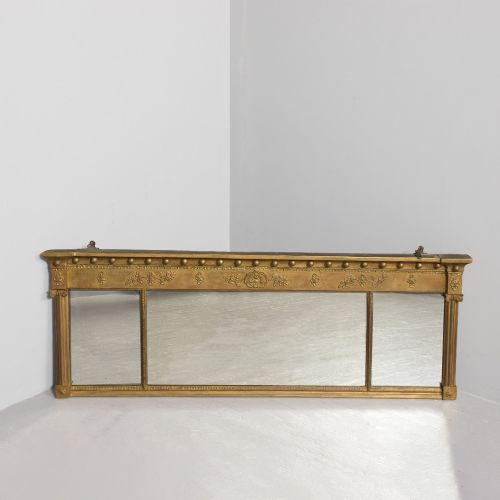
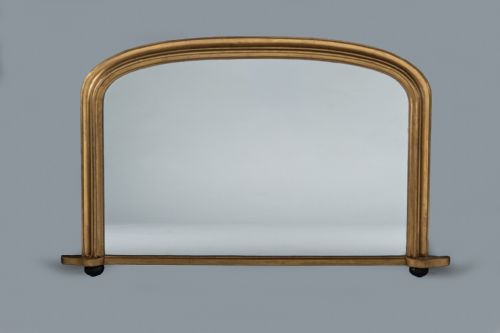
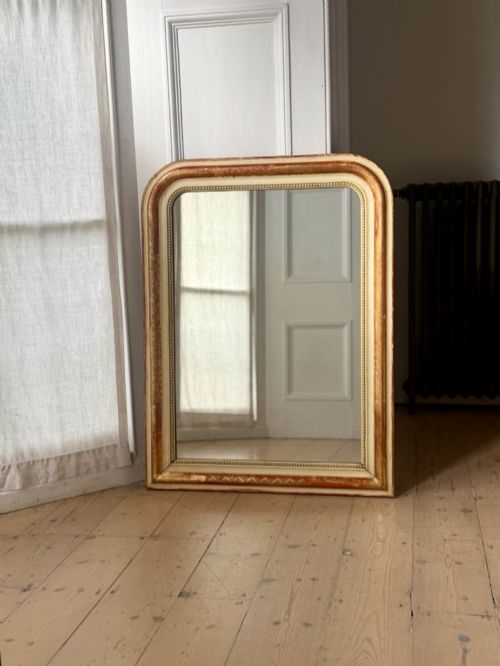
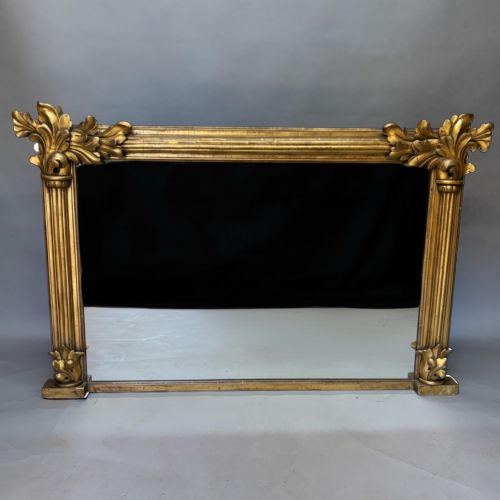
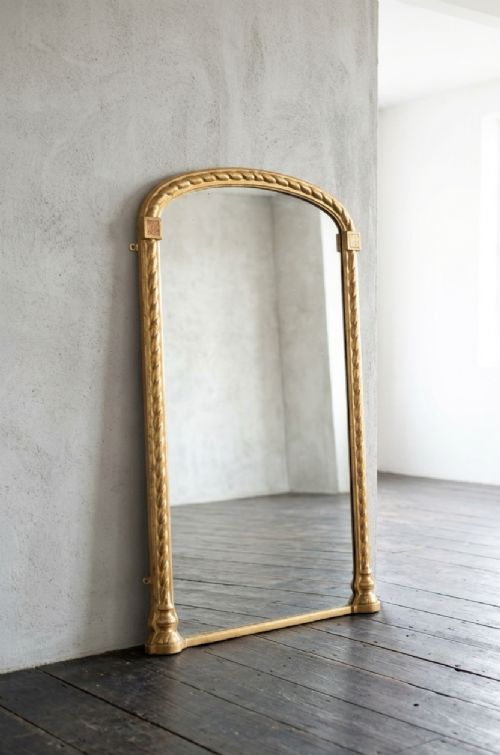
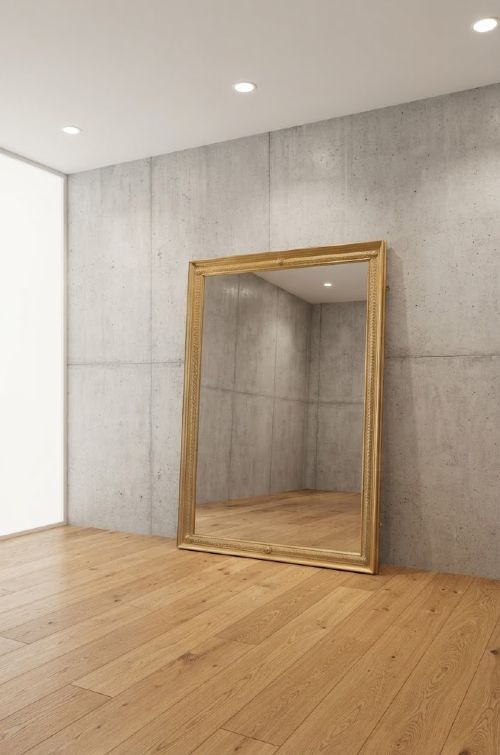
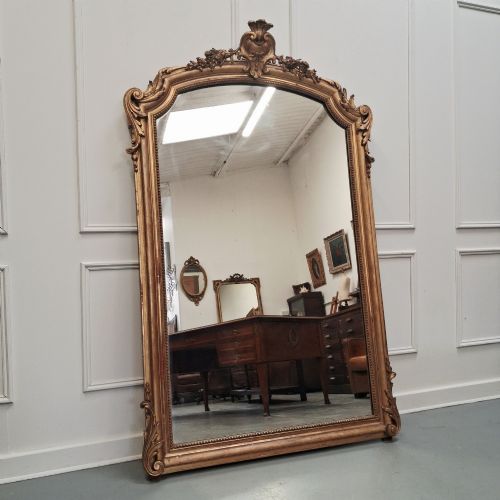
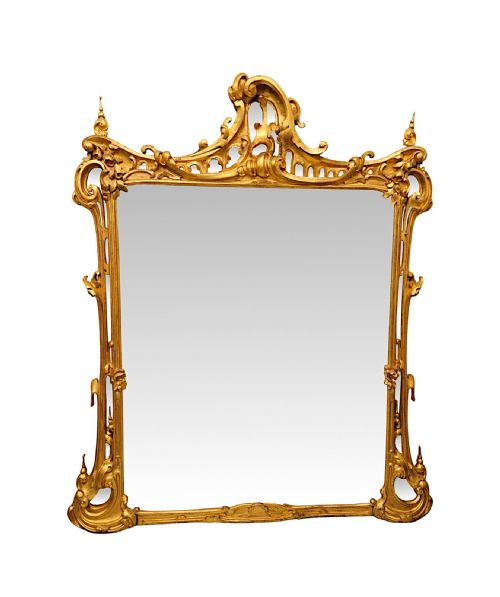
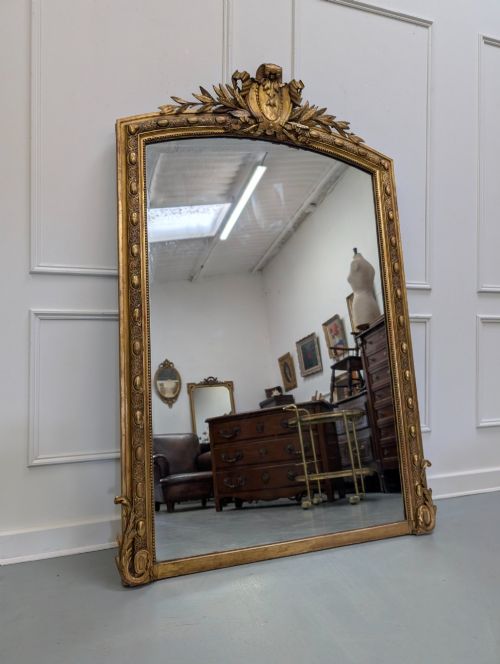
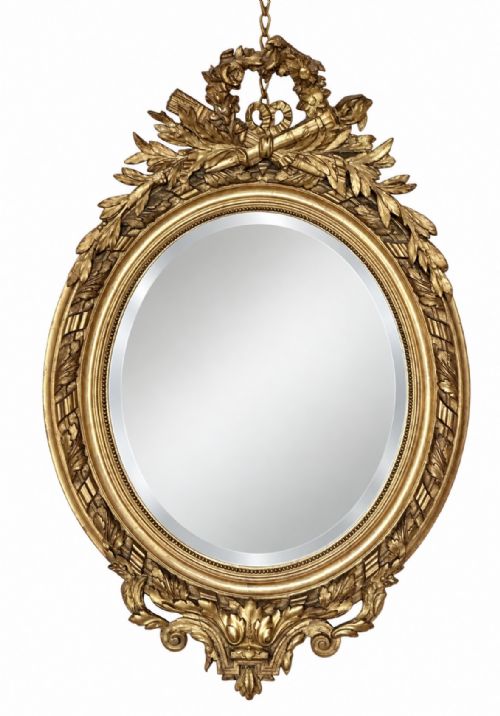
A nineteenth century gold mirror takes several distinct architectural and decorative forms, ranging from grand overmantels designed for fireplace placement to vertical pier mirrors and smaller wall-hung ovals. English and French workshops dominate production, with styles spanning Regency elegance, ornate Victorian revivalism and restrained Louis Philippe framing.
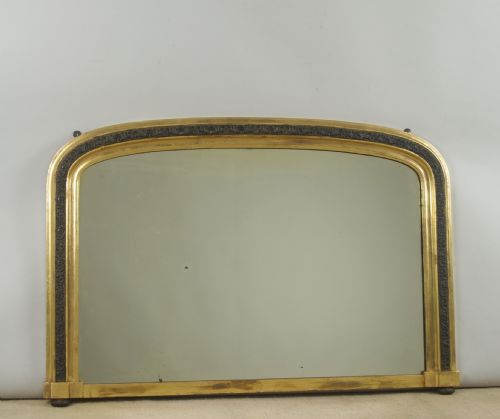
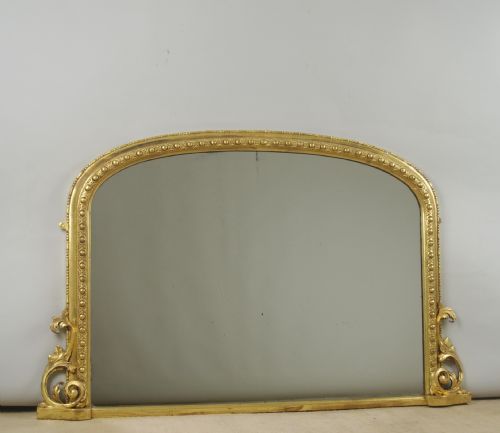
Overmantel mirrors feature prominently, often built with arched tops or rectangular proportions suited to period chimney breasts. Pier mirrors occupy narrow wall spaces between windows or doors, frequently incorporating lower dimensions or original mercury glass plates that show gentle foxing over time.
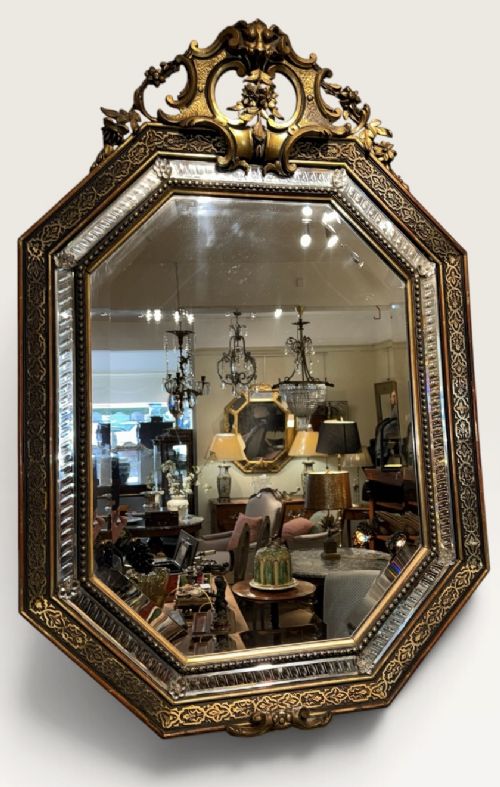
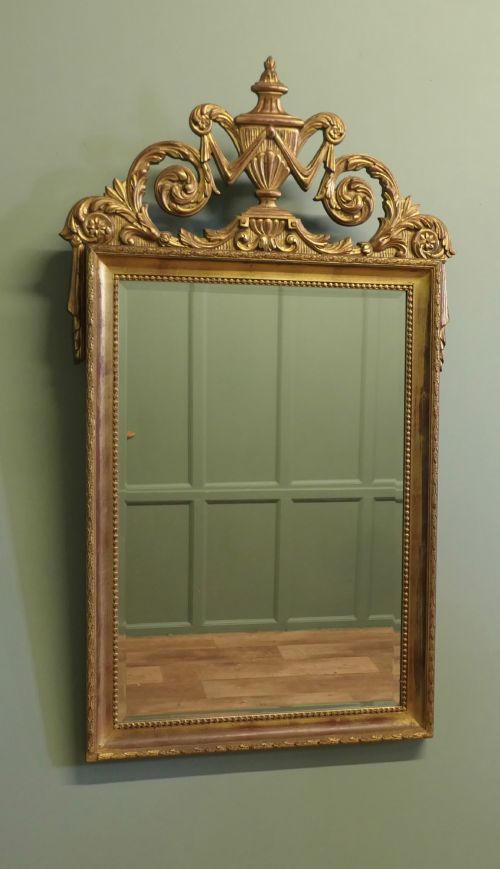
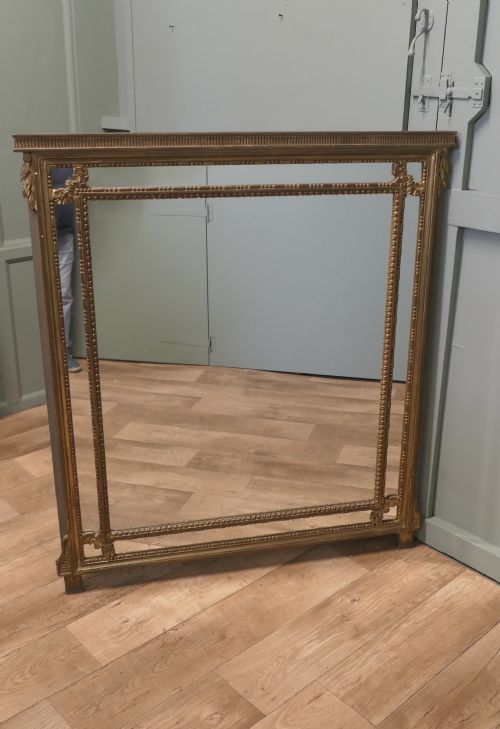
French examples often display Louis XV and Louis XVI influence through carved acanthus leaves, floral motifs and crestings. English pieces utilise robust timber frames finished in gesso and gold leaf, offering substantial presence within a domestic interior.
Materials and Techniques
Makers constructed the structural frames of a nineteenth century gold mirror from solid timber such as pine or oak, building up intricate surface ornament with layers of gesso. Artisans carved details directly into the wood or moulded composition ornamentation to apply across the frame before gilding.
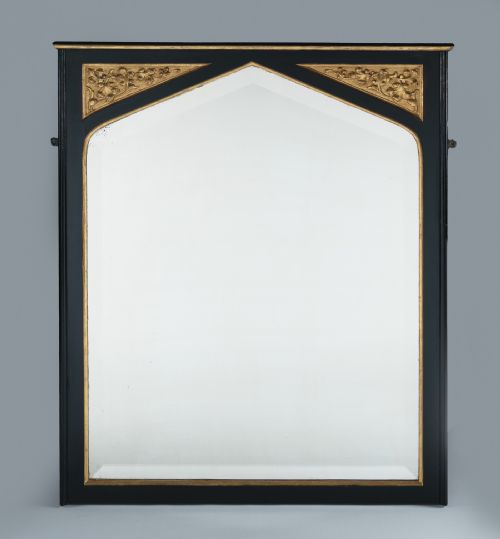
Guilders applied thin sheets of gold leaf over a prepared bole base, burnishing the metallic surface to achieve varied sheens. Alternatively, parcel gilt techniques combined exposed ebonised wood with gilded highlights to create striking contrast.
Nineteenth Century Gold Mirror Retail Price Guide 2026
Typical asking prices for nineteenth century gold mirror among the pieces listed under this phrase on Sellingantiques today, from the lower quarter to the upper quarter. They describe what is for sale here now, not the wider market.
Some nineteenth century mirrors retain faint chalk notes written by Victorian workshop hands behind the glass.
Craftsmanship and Survival
Quality in a nineteenth century gold mirror rests upon the crispness of the original carved woodwork and the depth of the gesso relief beneath the gold leaf. Superior examples retain their original gilding without excessive overpainting, showing natural ageing that enhances the character of the piece.
The glass plate itself marks a significant distinction between specimens, as original mercury glass plates or early bevelled edges reflect a softer, darker shimmer compared to modern replacements. Frame integrity, including sturdy corner joints and intact crestings, separates standard production from master craftsmanship.
The Nineteenth Century Gold Mirror Glossary
- Giltwood
- Timber that has been gilded with gold leaf. This material forms the primary structure of many classical mirror frames.
- Gesso
- A mixture of plaster of Paris and glue binder applied to wooden frames. Artisans carve and mould this substance to create relief decoration before gilding.
- Overmantel Mirror
- A large mirror specifically designed to hang above a fireplace mantelpiece. These pieces often feature horizontal proportions and architectural framing.
- Mercury Glass
- An early type of mirror plate made by pouring a mercury and tin amalgam behind glass. It produces a distinctive speckled reflection and warm tonal depth.
- Pier Mirror
- A tall, narrow mirror designed to fit on the wall space between two windows. They frequently incorporate candle sconces or console tables beneath.
Nineteenth Century Gold Mirror: Frequently Asked Questions
How do I hang a heavy overmantel mirror?
Heavy nineteenth century frames require secure wall anchoring into structural brickwork or timber studs using robust mirror brackets rather than standard picture hooks. Professional installation ensures the substantial weight of wood and gesso is safely distributed.
Weight distribution also depends on the internal wooden battens supporting the frame. Checking these structural elements before hanging protects both the wall and the antique frame from accidental strain.
Are original mirror plates always silvered?
Many early pieces feature mercury glass plates rather than modern silver nitrate coatings. These older plates often display characteristic dark spots and soft foxing.
This natural degradation is typical of nineteenth-century manufacturing methods and is valued by collectors for authenticity. It creates a gentle, diffused reflection rather than a stark modern mirror image.
How do I clean an antique gilt frame?
Dusting gently with a soft dry brush is the safest method to remove debris from carved gesso and gold leaf. Moisture can damage delicate water-gilding and lift the historic surface.
Avoid chemical cleaning products and commercial polishes entirely. Even mild soap can dissolve the ancient glue binder beneath the gold leaf.
How do I date a nineteenth century mirror?
Dating relies on examining the frame style, construction joints, backboards and the manufacturing method of the glass plate. Regency and early Victorian pieces often show hand-planed timber backs and mercury glass.
Stylistic cues such as acanthus leaf carving, ebonised accents or Louis Philippe shaping help narrow the decade of origin. Comparing construction details with documented period pieces confirms the timeline.