

Nineteenth Century Giltwood Mirror
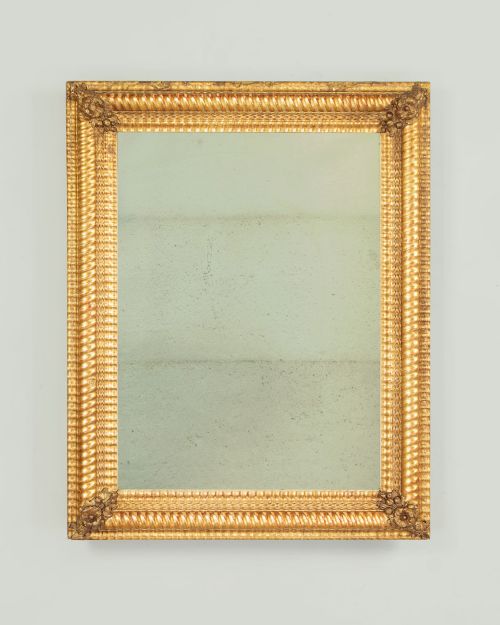
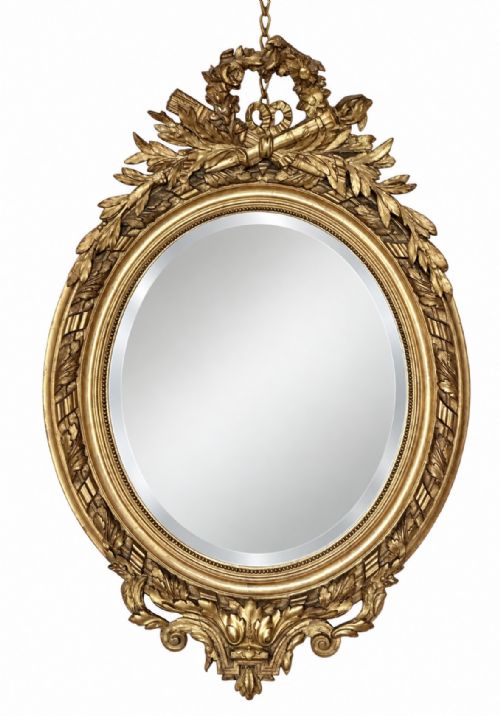
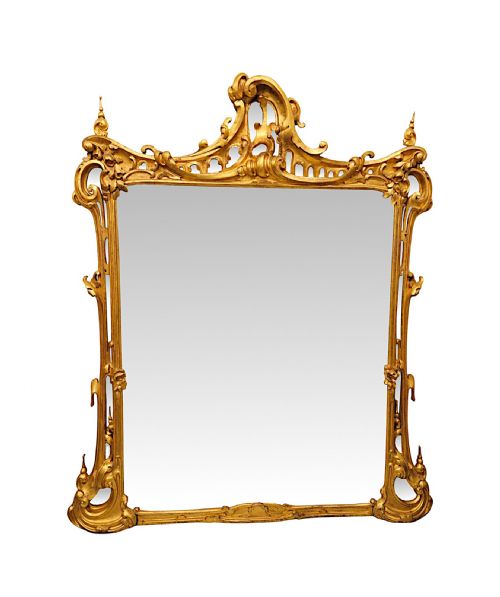
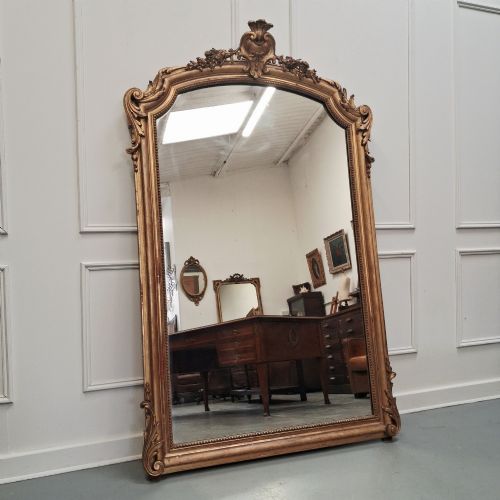
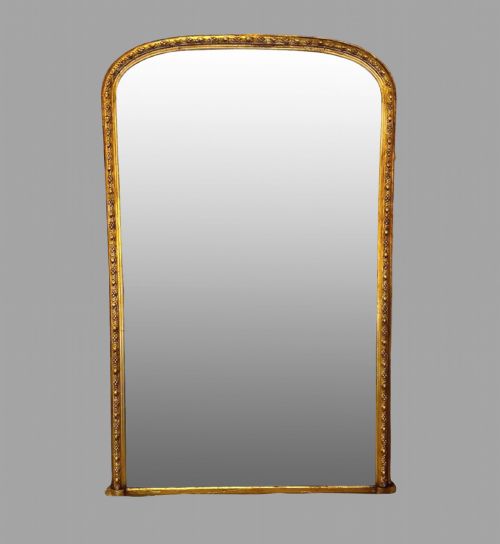
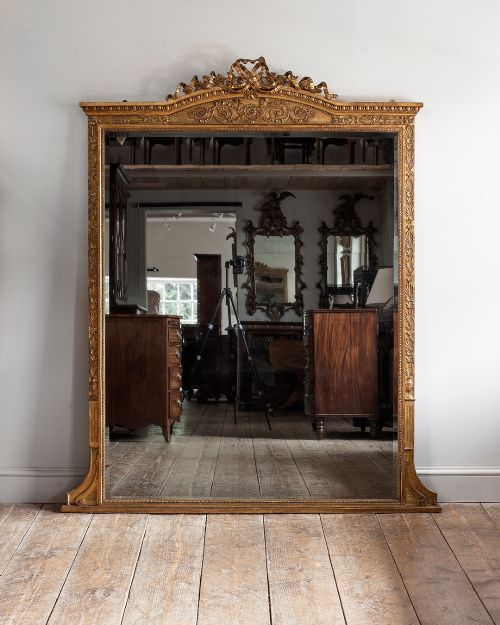
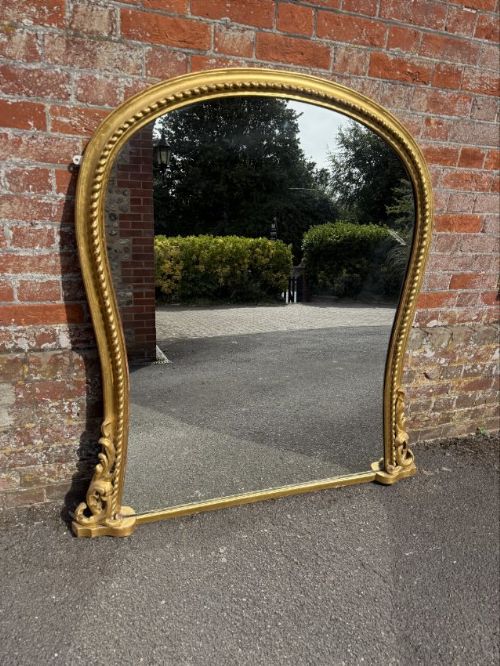
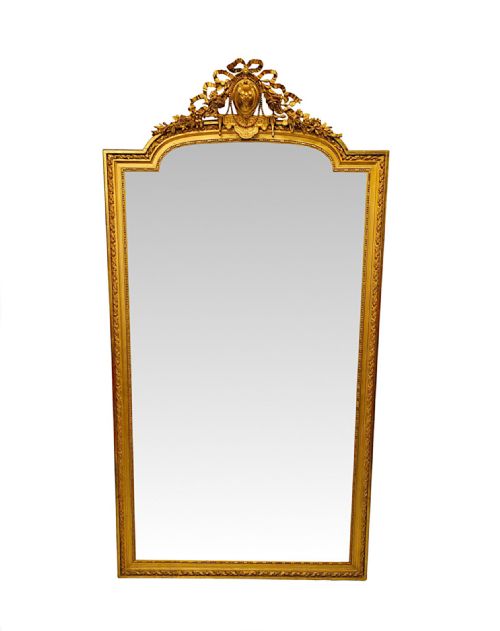
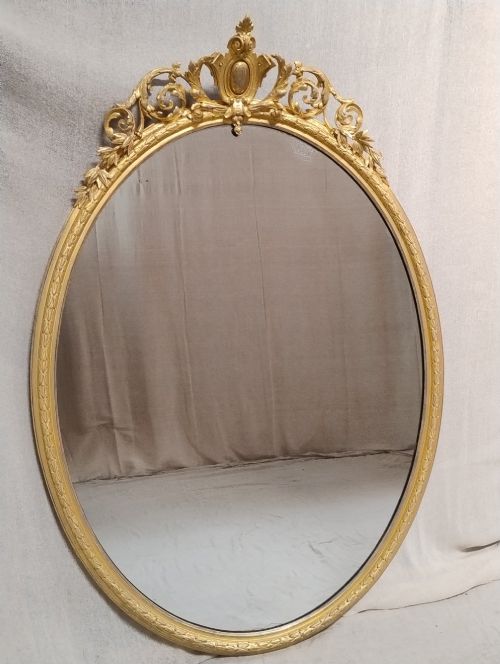
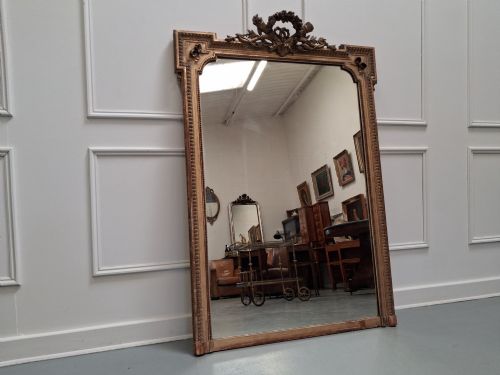
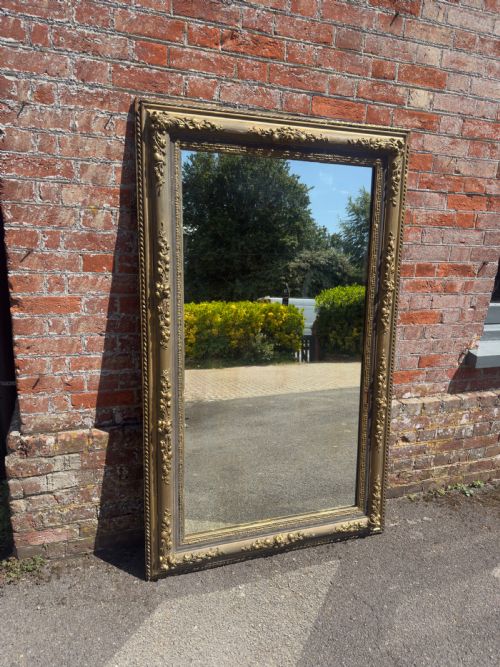
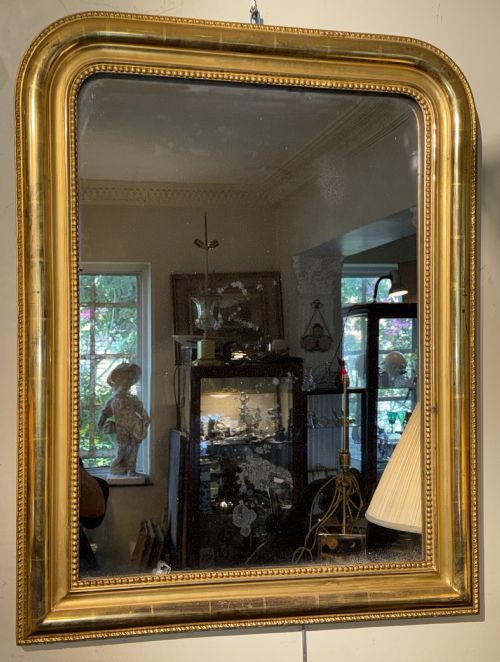
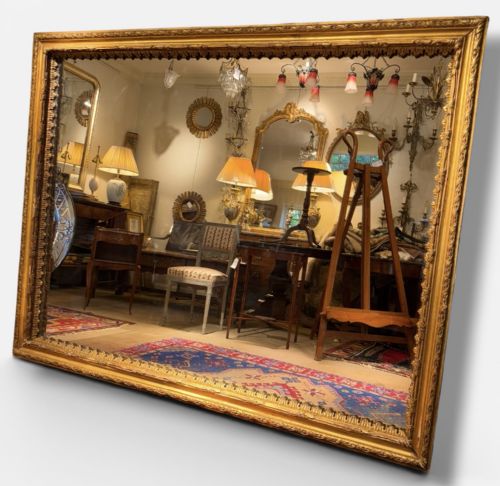
A nineteenth century giltwood mirror brings a brilliant, reflective warmth into a room through deep carved detail and gold leaf.
Nineteenth Century Giltwood Mirror
When you search for a nineteenth century giltwood mirror, you meet substantial overmantel mirrors, tall pier mirrors, and smaller wall-hanging pieces designed for drawing rooms and halls. The selection spans distinct regional tastes, featuring grand French Louis Philippe forms alongside English Victorian arched top designs and Regency convex plates.
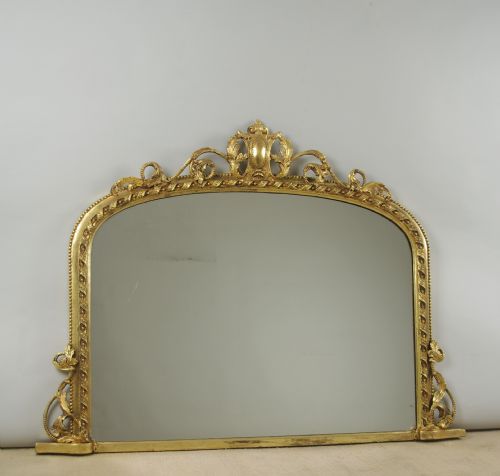
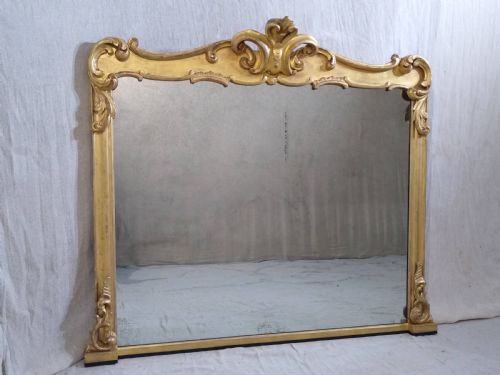
The version you are most likely to encounter on this page is a large overmantel mirror created to sit above a fireplace, often displaying ornate decoration such as acanthus leaves or floral motifs. Alongside these sit distinct convex plates, cushion frames, and occasional console tables sharing the same gilded finish.
Materials and Techniques
The underlying structure of these frames relies principally on carved wood, frequently enhanced with moulded gesso to build up high-relief ornamentation like floral swags and ribbed borders. Artisans applied thin sheets of gold leaf over these prepared wooden and gesso foundations to achieve a rich, luminous metallic surface.
Many examples incorporate original mercury plate glass or bevelled mirror glass, held securely within frames that occasionally combine ebonised wood or verre eglomise panels for tonal contrast. Traditional hand-carving techniques predominate, resulting in robust construction designed to endure across generations.
Convex mirrors were once nicknamed banker's mirrors because their wide-angle reflection allowed shopkeepers to keep an eye on customers and cash drawers simultaneously.
Evaluating Quality and Finish
Quality rests in the crispness of the hand-carved details and the depth of the gesso mouldings, where sharper foliage and cleaner lines separate finer workshops from mass production. The integrity of the original gilding and the clarity of the underlying wood carving reveal the maker's initial investment of time and skill.
The condition and authenticity of the glass plate also dictate the character of the piece, with original mercury plates exhibiting characteristic historic speckling and depth. Furthermore, structural stability in large overmantel frames depends on robust corner joinery and the original wooden backboards remaining intact.
Strahan of Dublin
The Nineteenth Century Giltwood Mirror Glossary
- Giltwood
- Wood that has been coated with gold leaf or gold paint. This finish creates the characteristic bright, reflective surface seen across nineteenth-century frames.
- Gesso
- A plaster-like mixture applied to wood frames and carved into relief decoration before gilding. It allows for intricate floral and scroll motifs.
- Overmantel mirror
- A large horizontal mirror designed specifically to hang above a mantelpiece. These pieces frequently feature arched tops or elaborate carved pediments.
- Convex mirror
- A round mirror with a bulging curved glass surface that provides a wide-angled reflection of the room. These often feature ebonised slip rings and candle sconces.
- Verre eglomise
- A cold-painting and gilding technique applied to the rear of glass panels. It appears on decorative sections of certain Regency frames.
- Mercury plate
- An older style of mirror glass produced using a tin-mercury amalgam. It produces a distinct, slightly mottled reflection compared to modern silvered glass.
Nineteenth Century Giltwood Mirror: Frequently Asked Questions
Where should I hang an overmantel mirror?
These large mirrors traditionally anchor the space directly above a fireplace mantel, reflecting light and surrounding furniture back into the room.
Beyond the hearth, they work effectively above large sideboards or low console tables in principal reception rooms to create a sense of expanded space.
What is a pier mirror?
A pier mirror is a tall, narrow glass designed specifically to fit the stretch of wall space between two windows, known as the pier.
Because they occupied this light-filled gap, they were built to maximise room brightness and often paired with matching console tables beneath.
How can I date a nineteenth century mirror?
Dating relies on combining the overarching style, such as Regency or Louis Philippe, with construction clues like hand-cut screws, backboard timbers, and gesso composition.
Examining the glass plate also helps, as mercury plates generally point towards earlier decades while newer replacement glass indicates modern restoration.