
Nineteenth Century French Painting
When you search for nineteenth century french painting, you encounter canvases capturing landscapes, portraits, and coastal scenes spanning the period.
Nineteenth Century French Painting
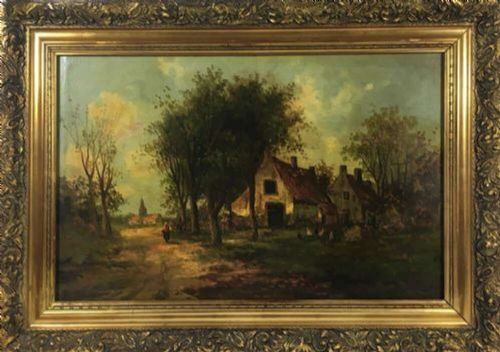
Buyers examining nineteenth century french painting find works originating from the 19th Century alongside styles such as Post-Impressionism and the Barbizon School. The pieces comprise oil paintings on canvas depicting landscapes, farmyard scenes, and portraiture.
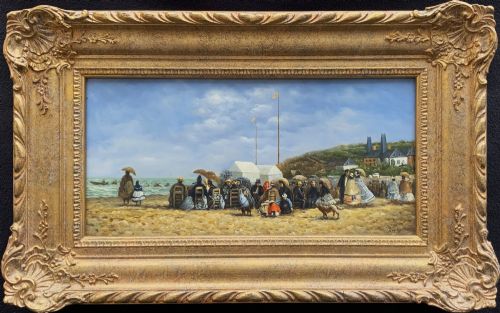
The version most commonly met on this page is the oil painting on canvas, featuring works by named artists from schools associated with French academic and impressionist traditions. Subjects range from coastal views to tavern scenes executed with chiaroscuro.
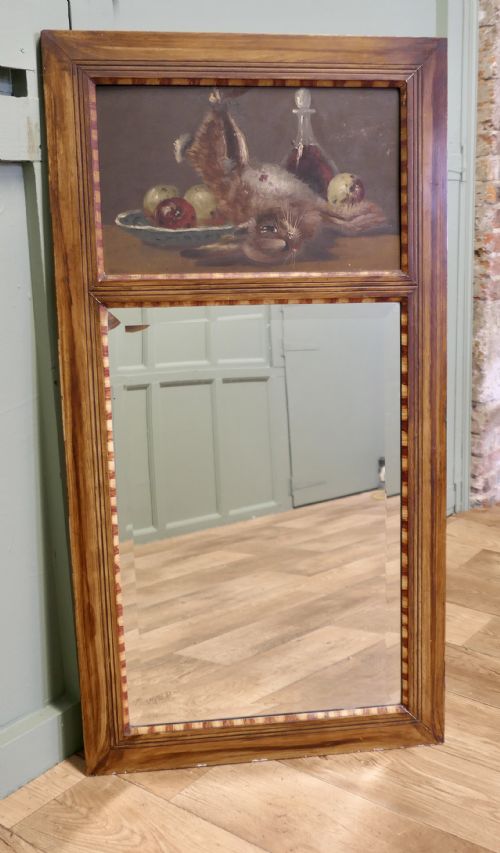
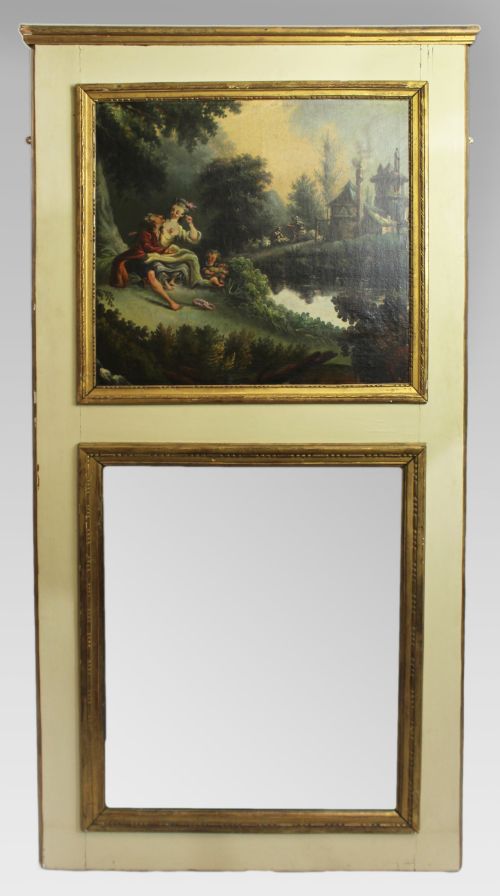
Contextual items associated with these periods, such as trumeau mirrors incorporating pastoral oil paintings, also appear alongside standalone fine art canvases.
Distinctions in quality
Quality in nineteenth century french painting rests on the clarity of the brushwork, the depth of the composition, and the documented attribution to known artists or established schools. Works displaying confident handling of light, shade, and subject matter occupy the higher end of the range.
The preservation of the original canvas and the integrity of the accompanying period frame, whether carved and gilt or finished in wood, contribute significantly to the standing of an individual piece.
Listings feature oil on canvas alongside carved wood and gesso gilt mirrors from the nineteenth century.
Jacob Petit·Henry Wissen Senior·Jean-Baptiste Olive·Charles Malfroy
The Nineteenth Century French Painting Glossary
- Barbizon School
- A nineteenth-century French movement focused on realistic landscape painting inspired by nature. Practitioners of this style worked directly from the countryside.
- Chiaroscuro
- A technique employing strong contrasts between light and dark to give volume to figures and objects. This method adds theatrical depth to oil paintings.
- Post-Impressionism
- An art movement extending roughly from the last decades of the nineteenth century that explored emotional and symbolic expression through colour. It built upon the foundations laid by impressionism.
- Trumeau mirror
- A decorative wall glass featuring an integrated painted panel above the mirror plate. These fixtures frequently incorporate pastoral scenes.
- Vernis Martin
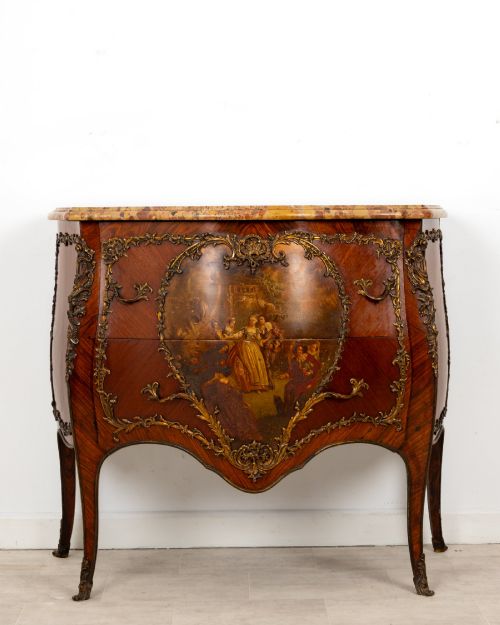
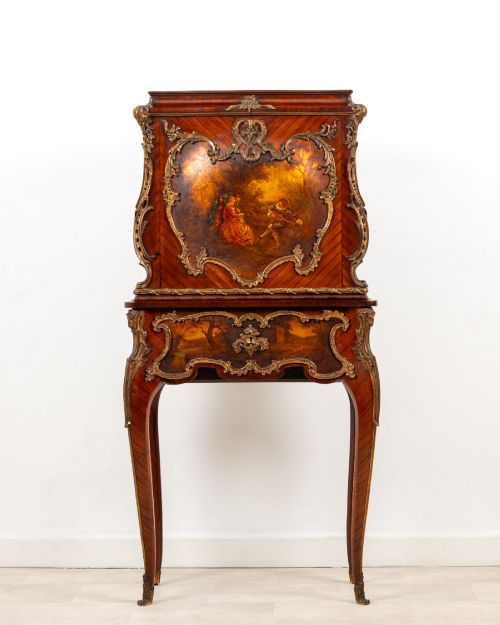
- A type of simulated Japanese lacquer developed in France, utilised to finish furniture and decorative panels. It provides a glossy, translucent surface.
Nineteenth Century French Painting: Frequently Asked Questions
What subjects feature in nineteenth century french painting?
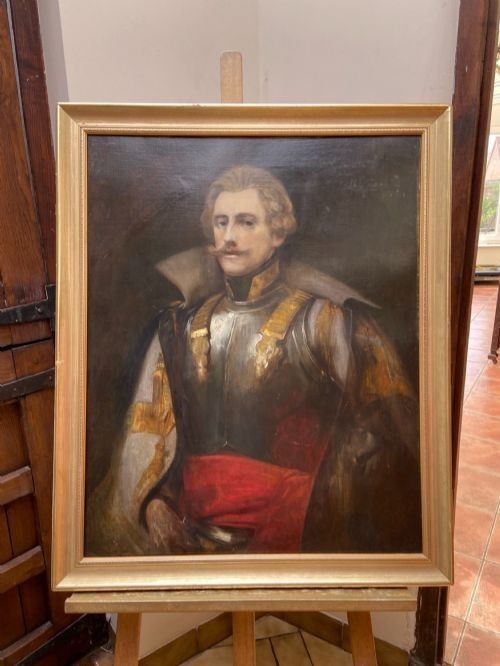
The works depict a range of subjects including farmyard landscapes, coastal views, seaside gatherings, and military officer portraits. Scenes involving tavern interiors and mythological themes also appear.
Artists utilised oil on canvas to capture these compositions, often reflecting the academic and impressionist movements prevalent in France during the era.
How were framed paintings displayed originally?
Canvases were mounted within ornate frames constructed from carved wood, gesso, and gilt finish. Some paintings were integrated directly into architectural wall mirrors known as trumeaus.
These large mirrors hung in salons and reception rooms, combining decorative framing with pastoral art above the glass plate.
How do you identify Barbizon School works?
Barbizon School works focus on realistic depictions of rural landscapes and farmyard settings. They emphasise natural light and unidealised terrain.
These paintings often show artists recording the French countryside directly, capturing atmospheric weather conditions and working life.
Where were these paintings produced?
Production centred primarily in France, encompassing works created in Paris and regional artistic communities. Many pieces bear signatures or attributions to French painters of the period.
Related decorative items from the same era originated in Parisian workshops and established regional centres of craftsmanship.