


Nineteenth Century Fine Artwork
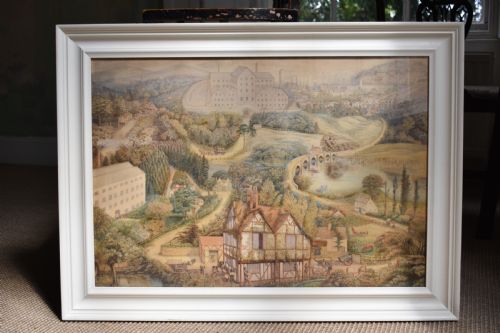
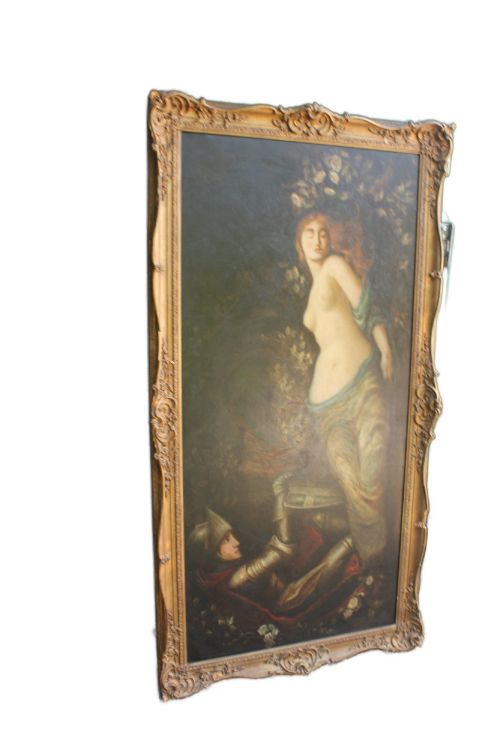
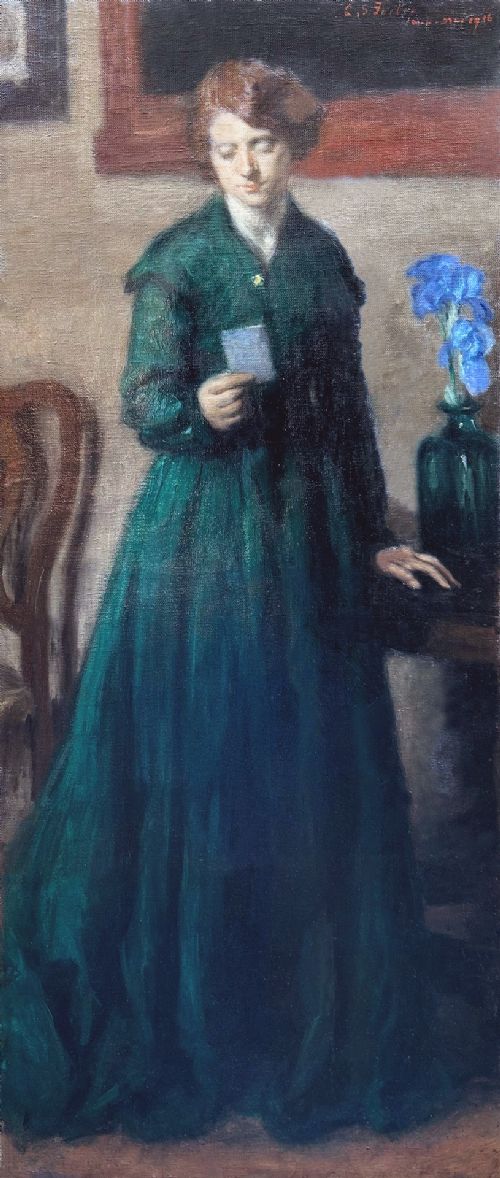
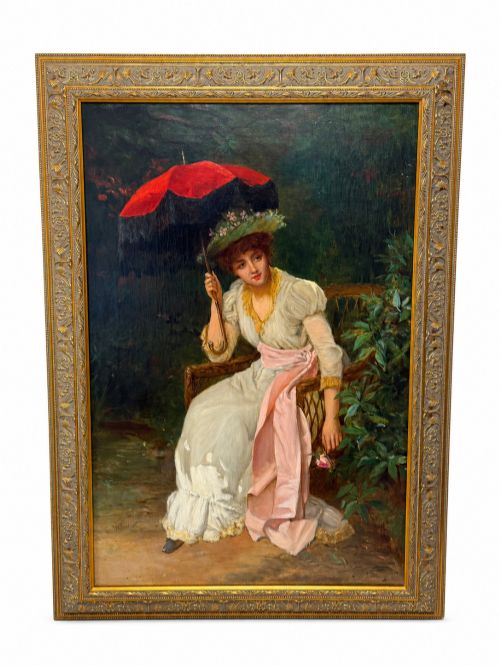
Nineteenth century fine artwork spans oil paintings and watercolours on canvas, paper and wood that bring historic portraiture, landscapes and genre scenes into a room.
Nineteenth Century Fine Artwork
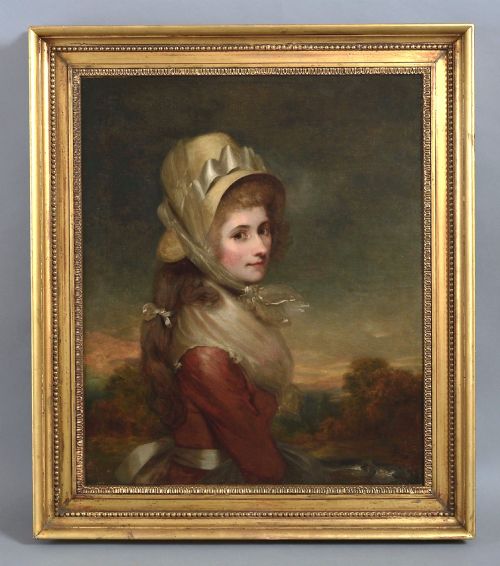
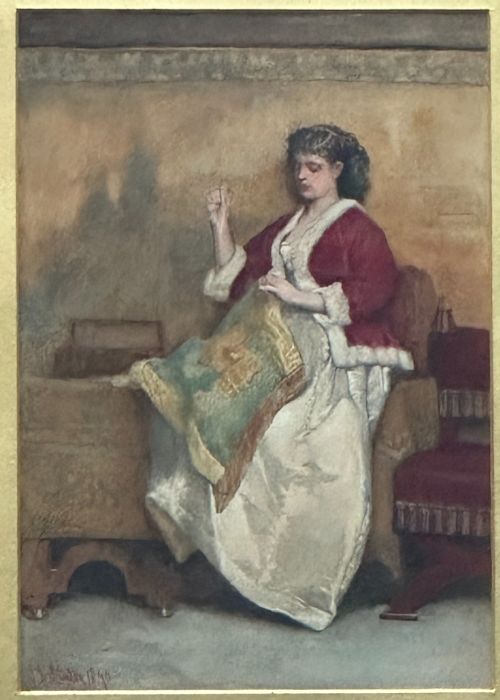
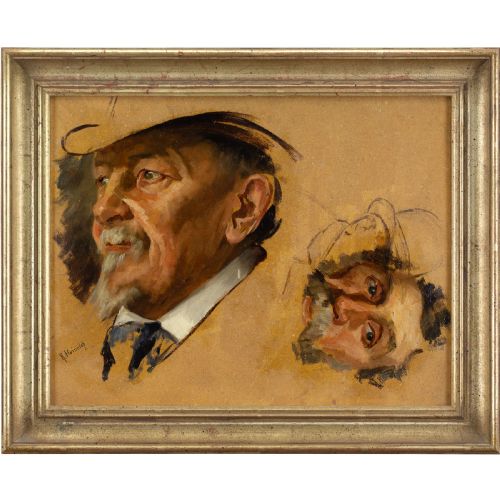
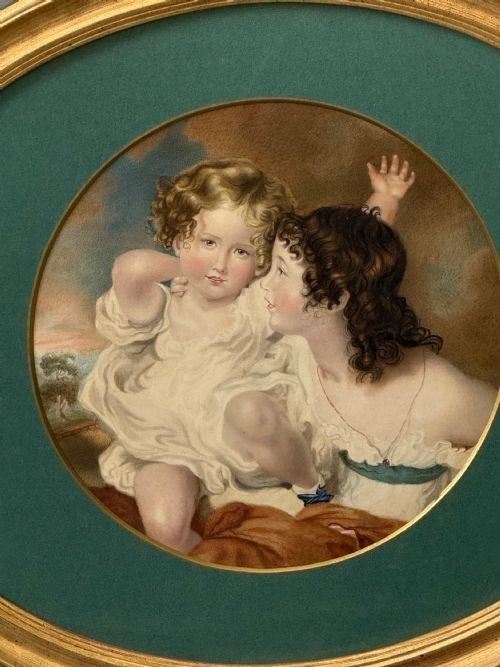
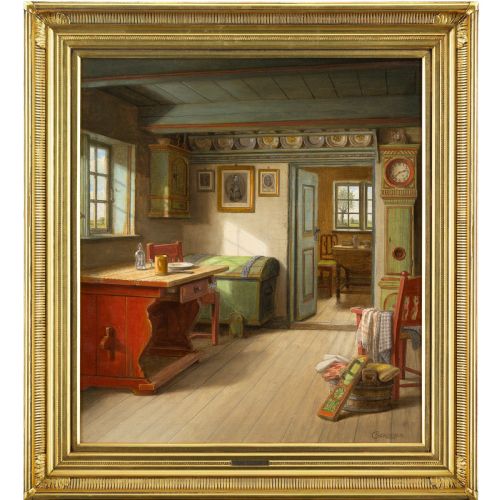
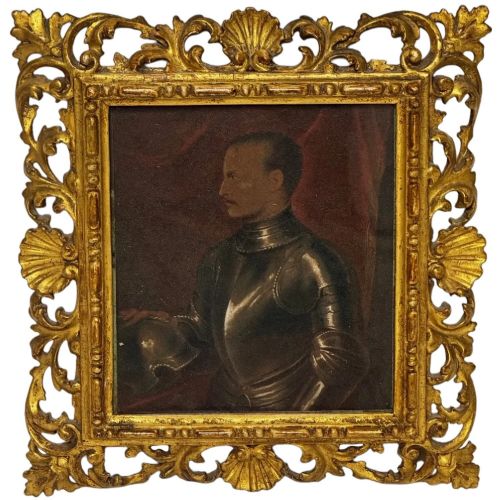
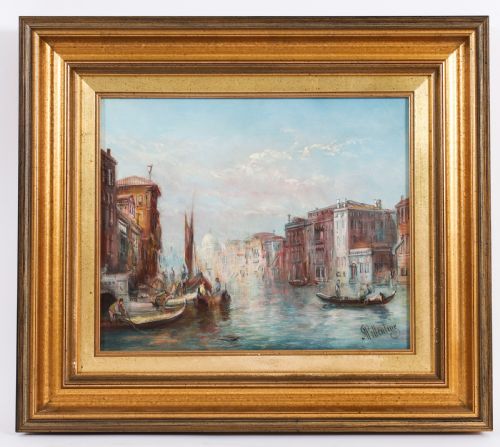
Nineteenth century fine artwork encompasses oil paintings, watercolours and pastels created across the Victorian era and adjacent periods, featuring subjects from tranquil Welsh rivers to Venetian canals and formal portraiture.
The pieces on this page lean heavily toward oil on canvas and framed watercolours, reflecting the widespread academic and impressionist output of British, French, Italian and Danish painters working through the eighteen hundreds and into the early twentieth century.
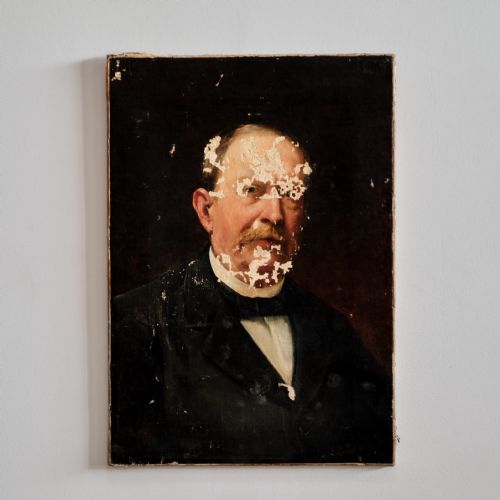
Buyers seek these works to anchor a room with period character, whether through the narrative depth of historical genre scenes, the atmospheric light of coastal landscapes or the quiet dignity of nineteenth century fine artwork portraits.
Materials and methods
Painters of this era utilised oil paint on woven canvas, zinc panels or wooden boards, building rich layers of pigment alongside transparent watercolours applied to heavy paper.
Many of these works retain their original giltwood or gilded frames, which provide structural support and historical context through period moulding techniques.
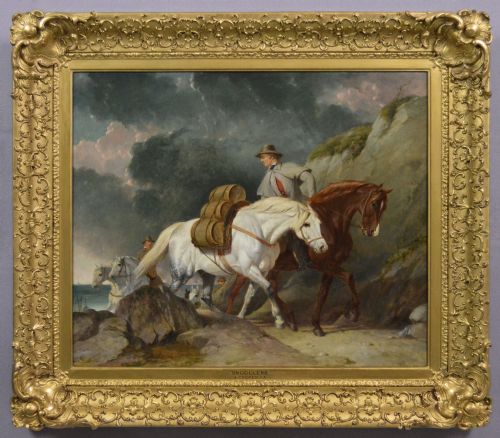
Several canvases capture cows, dogs and horses taking a well-earned break from rural labour.
Assessing quality
Quality rests in the surety of the brushwork and the artist's command of light, shadow and composition, distinguishing ambitious gallery pieces from competent student or decorative works.
The preservation of the original surface, pigment stability and the integrity of the support canvas or paper determine how successfully a piece has weathered the decades.
Sir Martin Archer Shee·Sir James Dromgole Linton·Alfred Pollentine·Abraham Cooper·Johann Hamza·Cornelius Pearson·Edwin Lord Weeks·Jean-Baptiste Olive·Thomas Edward Roberts·Sidney Richard Percy·Heinrich Harder·Alphonse Robert·Arthur Winter Shaw·Jane Vivian·Frederick Christian Lund·Vittore Zanetti Zilla·Thomas Rose Miles·George Kilburne·H. Hadfield Cubley
The Nineteenth Century Fine Artwork Glossary
- Watercolour
- A painting method where fine pigment is suspended in a water-soluble binder and applied to paper.
- Giltwood
- Wood that has been coated with a thin layer of gold leaf or gesso powder, common in period framing.
- Genre painting
- The pictorial representation of scenes from everyday life, involving figures engaged in common activities.
- Canvas
- A heavy woven fabric used as a surface for oil painting, stretched tightly across a wooden frame.
- Pastel
- A dry drawing medium composed of powdered pigment and a binder, yielding a velvety surface when applied to paper or canvas.
Nineteenth Century Fine Artwork: Frequently Asked Questions
How do I hang a heavy oil painting safely?
Heavy oil paintings require sturdy picture hooks screwed directly into wall studs or secured with appropriate masonry anchors. Ensure the hanging wire and D-rings on the frame are robust enough to support the weight.
Position the centre of the artwork at eye level, typically around sixty inches from the floor, and keep it away from direct sunlight and heat sources to protect the canvas and pigments.
How do I identify a Victorian oil painting?
Victorian oil paintings often feature narrative subjects, romanticized landscapes or formal portraiture executed with detailed academic precision. Clues are frequently found in the style of dress, the framing methods and occasional signatures or dates on the canvas reverse.
Examining the stretcher bars, canvas weave and nail types can also help confirm the nineteenth-century origin of the work.
Should I reframe an antique painting?
Original period frames provide valuable historical context and contribute to the overall character of nineteenth-century artwork, so keeping them together is generally preferred. Even minor wear adds to the authentic patina of the piece.
If a frame is structurally unsound or causes active damage to the painting, consult a specialist framer to create a supportive housing without discarding the historic elements.