



Nineteenth Century Cooler
These nineteenth century cooler pieces are practical vessels for wine and plants, offering rich mahogany timbers and brass binding for period dining rooms.
Nineteenth Century Cooler
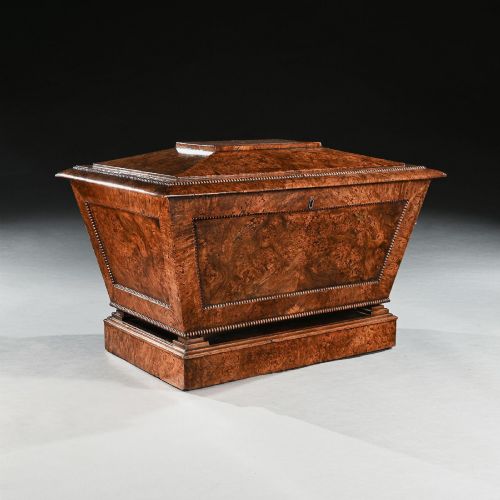
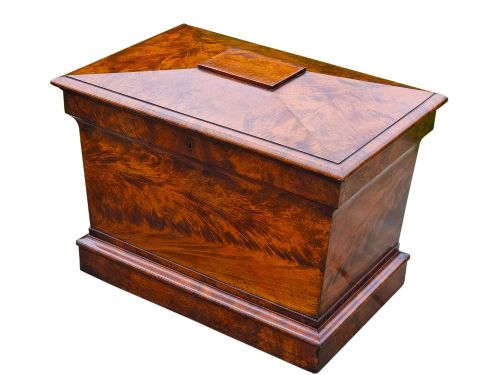
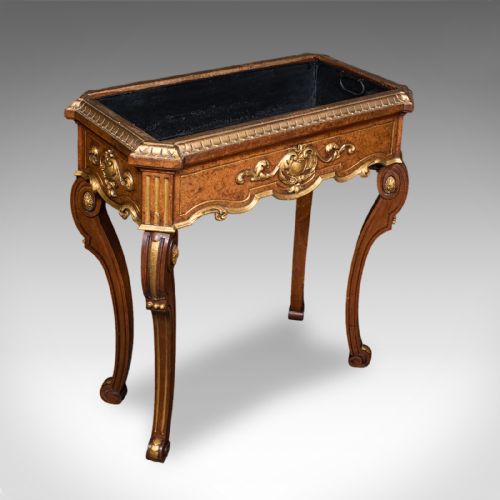
When you search for a nineteenth century cooler, you encounter wine coolers, cellarettes, and jardiniere tables designed for formal entertaining. The selection leans heavily toward mahogany and walnut forms shaped as sarcophagi, oval buckets, and pedestals.
Pieces from the Regency and Victorian eras dominate the inventory, accompanied by Dutch traditional styles and French revival pieces. Buyers find functional vessels ranging from coopered wood buckets to grand pedestals built for ice and bottles.
Origin details span English workshop designs, French planters, and Dutch empire style vessels. Each object reflects the domestic habits of the nineteenth century through specialised internal compartments and robust structural joinery.
Materials and construction
Makers utilised solid mahogany, flame mahogany veneer, and walnut as primary timbers, often enhancing grain patterns across curved surfaces. Coopered wood construction appears on bucket forms, utilising tight stave assembly to hold liquids or damp soil securely.
Metal mounts, brass bands, and ormolu details provide structural reinforcement and decorative contrast against the dark wood. Cut crystal and specialised metal liners support the practical function of chilling wine or holding plants without damaging the surrounding timber.
Nineteenth Century Cooler Retail Price Guide 2026
Typical asking prices for nineteenth century cooler among the pieces listed under this phrase on Sellingantiques today, from the lower quarter to the upper quarter. They describe what is for sale here now, not the wider market.
Factors of quality
Quality depends on the selection of figured timber veneers and the precision of the brass or copper banding. Superior examples maintain original interior linings and undisturbed patination on the polished wood surfaces.
The execution of carved details, such as paw feet or lion mask handles, separates standard production from finer cabinet work. Structural integrity in the coopered joints and stability in the pedestal bases dictate the enduring value of each piece.
The Nineteenth Century Cooler Glossary
- Cellarette
- A lockable container used to store bottles of wine near the dining table. They frequently take sarcophagus or octagonal forms with fitted interior dividers.
- Coopered wood
- Construction method using parallel wooden staves bound by metal hoops, similar to barrel making. This technique prevents splitting when exposed to moisture.
- Jardiniere table
- A decorative stand or table designed to hold plants and floral arrangements indoors. They often feature metal or ceramic liners to protect the surrounding woodwork.
- Sarcophagus shaped
- A monumental box form with a domed lid and tapered base, popular for large wine coolers during the Regency period. The silhouette recalls classical stone tombs.
- Teapoy
- A small pedestal table or box designed for storing and serving tea leaves. Nineteenth century examples often include internal caddies and mixing bowls.
Nineteenth Century Cooler: Frequently Asked Questions
What is a nineteenth century cooler used for?
These vessels were originally designed to chill wine bottles at the dining table using ice or cold water. They also function today as decorative planters, log holders, or standalone display pieces in period interiors.
Their robust timber construction and fitted interiors make them adaptable for modern storage while retaining their historical character.
How do I care for mahogany wood?
Maintain the timber by keeping it away from direct heat sources and sudden humidity changes to prevent warping. Apply a traditional wax polish periodically to nourish the grain and preserve the surface finish.
Avoid placing wet pots directly onto wooden surfaces without protective liners, particularly on antique jardiniere tables.
What is the difference between a cellarette and a wine cooler?
Cellarettes traditionally included locking mechanisms to secure expensive wine reserves from domestic staff. Wine coolers often operated as open or lead-lined basins for immediate table service.
Both terms describe heavy timber vessels from the Regency and Victorian periods, though collectors use them interchangeably today.
How can I identify a Regency period piece?
Regency items typically display classical architectural motifs, bold mahogany veneers, and restrained brass mounts. Look for clean geometric lines, paw feet, and robust proportions reflecting early nineteenth century design.
Cabinet makers of this era favored dark tropical hardwoods and sophisticated joinery techniques.