
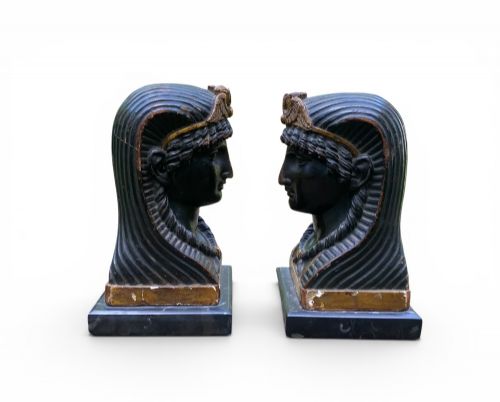


Nineteenth Century Classical Bust
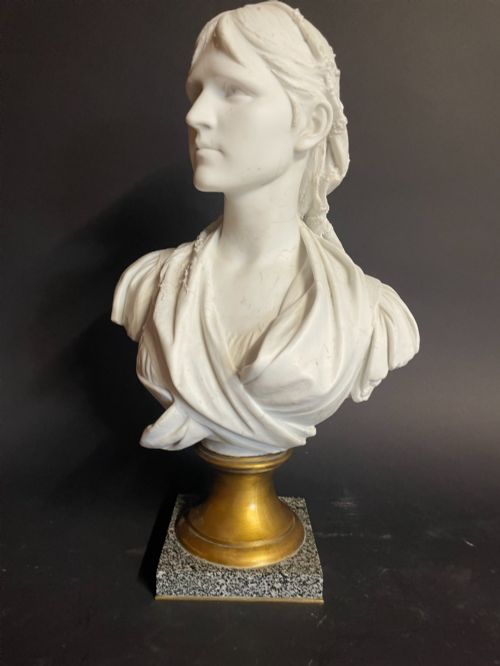
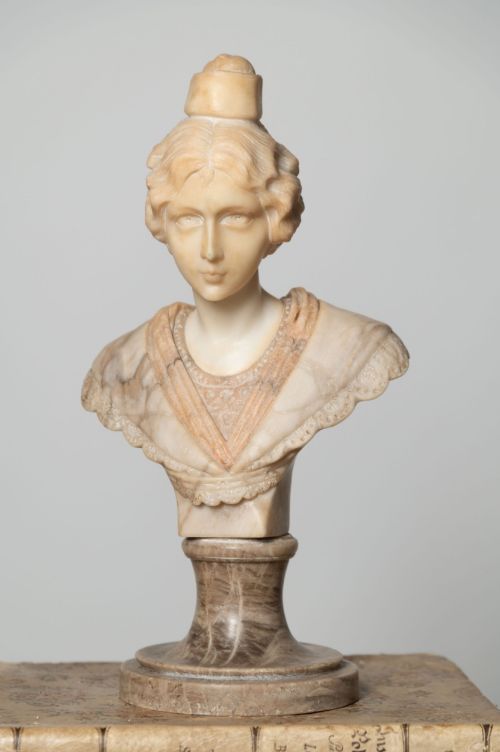
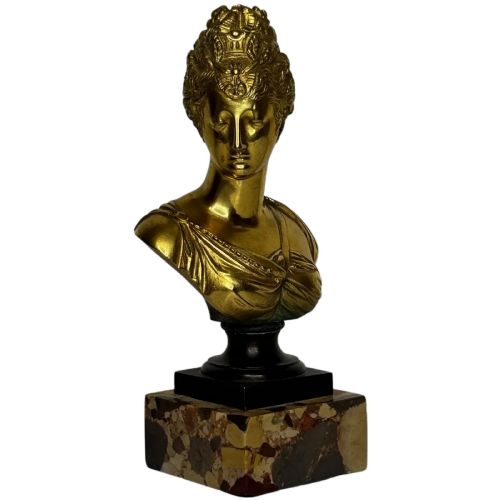
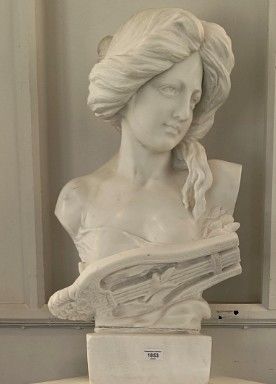
A nineteenth century classical bust brings the severe dignity of antiquity into a room, carved in marble or cast in bronze.
Nineteenth Century Classical Bust
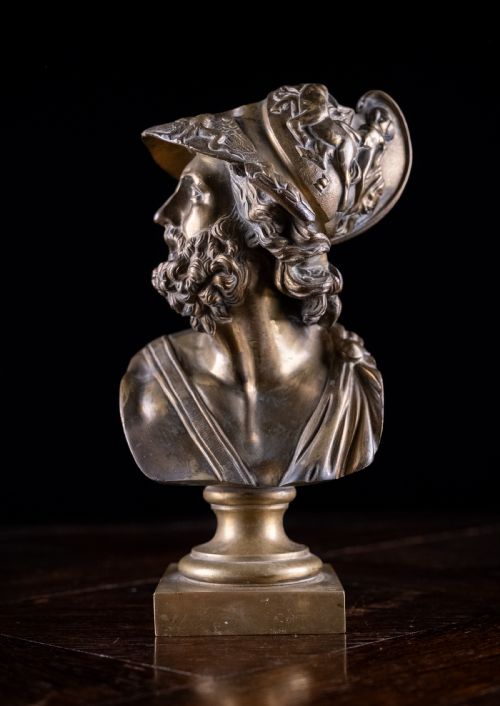
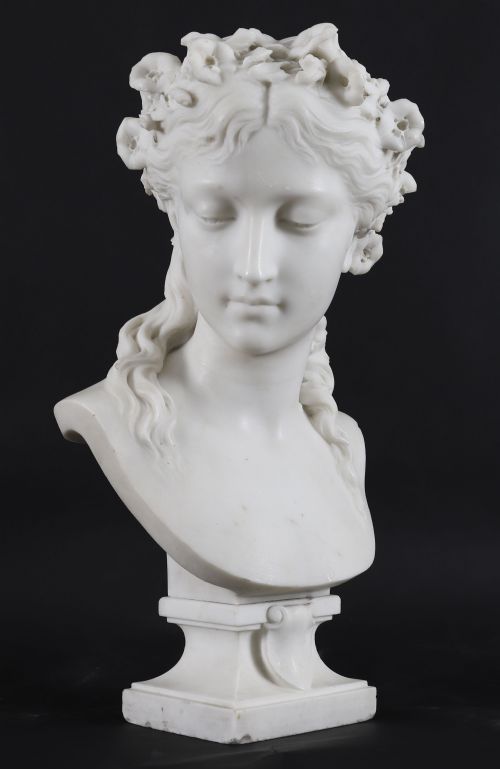
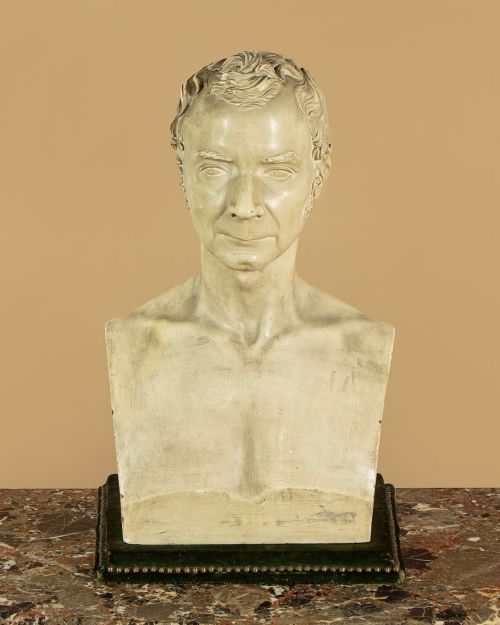
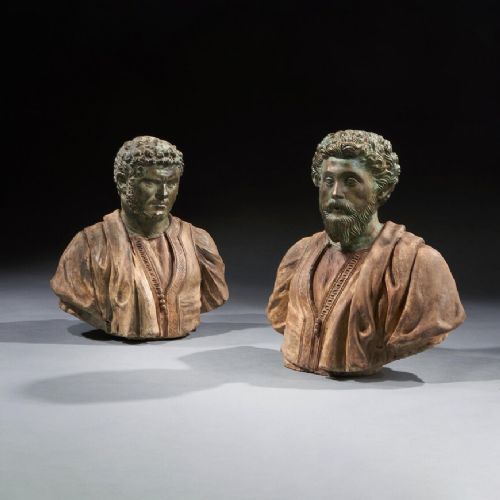
A nineteenth century classical bust takes the form of historical figures, mythological subjects, and Roman emperors, reflecting the era's fascination with antiquity. Buyers frequently encounter representations of figures such as Diana de Poitiers, Ajax, Marcus Aurelius, and Caracalla.
The materials span carved marble, Carrara marble, alabaster, bronze, gilt bronze, and terracotta. Many pieces arrive on pedestals or marble stands, reflecting the grand tour souvenirs and interior display practices of the period.
Origin points across the listings include Italy, France, and England, spanning the Regency, Victorian, and Napoleon III periods. These sculptures range from intimate cabinet studies to substantial carved works.
Distinctions in craftsmanship
The sharpness of the chisel work in marble and the precision of the chasing in bronze separate master studies from routine foundry output. Superior pieces capture musculature, hair texture, and facial expression with anatomical conviction.
The choice of materials dictates the baseline quality, with fine-grained Carrara marble and heavy cast bronze representing the upper tier. Signed works or identifiable editions by known makers command stronger artistic interest than anonymous decorative casts.
Hypnos, the ancient Greek god of sleep, arrives in verdigris bronze to ensure your study remains peacefully undisturbed.
Eugene Aizelin·Thomas Hope·Achille Mollica·E.Villanis·Joseph Gott
The Nineteenth Century Classical Bust Glossary
- Grand tour
- A cultural journey undertaken by wealthy young Europeans through France and Italy to study classical antiquities. Tourists frequently acquired small bronze busts and sculptures as souvenirs of their travels.
- Patination
- The surface treatment or natural ageing process that alters the colour of bronze, brass, or terracotta. Artisans applied chemical patinas to achieve specific dark brown, green, or verdigris tones.
- Ormolu
- Gilt bronze produced by applying a finely ground high-carat gold-mercury amalgam to a bronze object. This technique creates a rich golden surface found on decorative mounts and clock cases.
- Terracotta
- Fired clay used for sculptural models and finished figures. It allows the artist to capture immediate hand-modelled details before being painted or given a bronzed finish.
Nineteenth Century Classical Bust: Frequently Asked Questions
How do I display a marble bust?
Place the sculpture on a sturdy pedestal, plinth, or substantial piece of furniture to ensure adequate support for its weight.
Position the bust away from direct sunlight and heat sources to protect the stone and any applied patination from thermal shock.
What is a Grand Tour souvenir?
These were portable artworks and bronze reductions purchased by travellers visiting classical sites in Italy during the nineteenth century.
They allowed collectors to bring ancient sculptural forms into their domestic interiors.
How do I clean a bronze bust?
Dust the surface regularly with a soft, dry cloth to prevent the accumulation of abrasive particles.
Avoid using water, chemical solvents, or polishes, as these can strip the original patina from the metal.
How do I identify mythological subjects?
Look for specific attributes such as helmets on military commanders, laurel wreaths on emperors, or distinct facial types associated with classical deities.
Inscriptions on the base or rear of the sculpture often name the subject directly.