




Nineteenth Century Chinese Porcelain
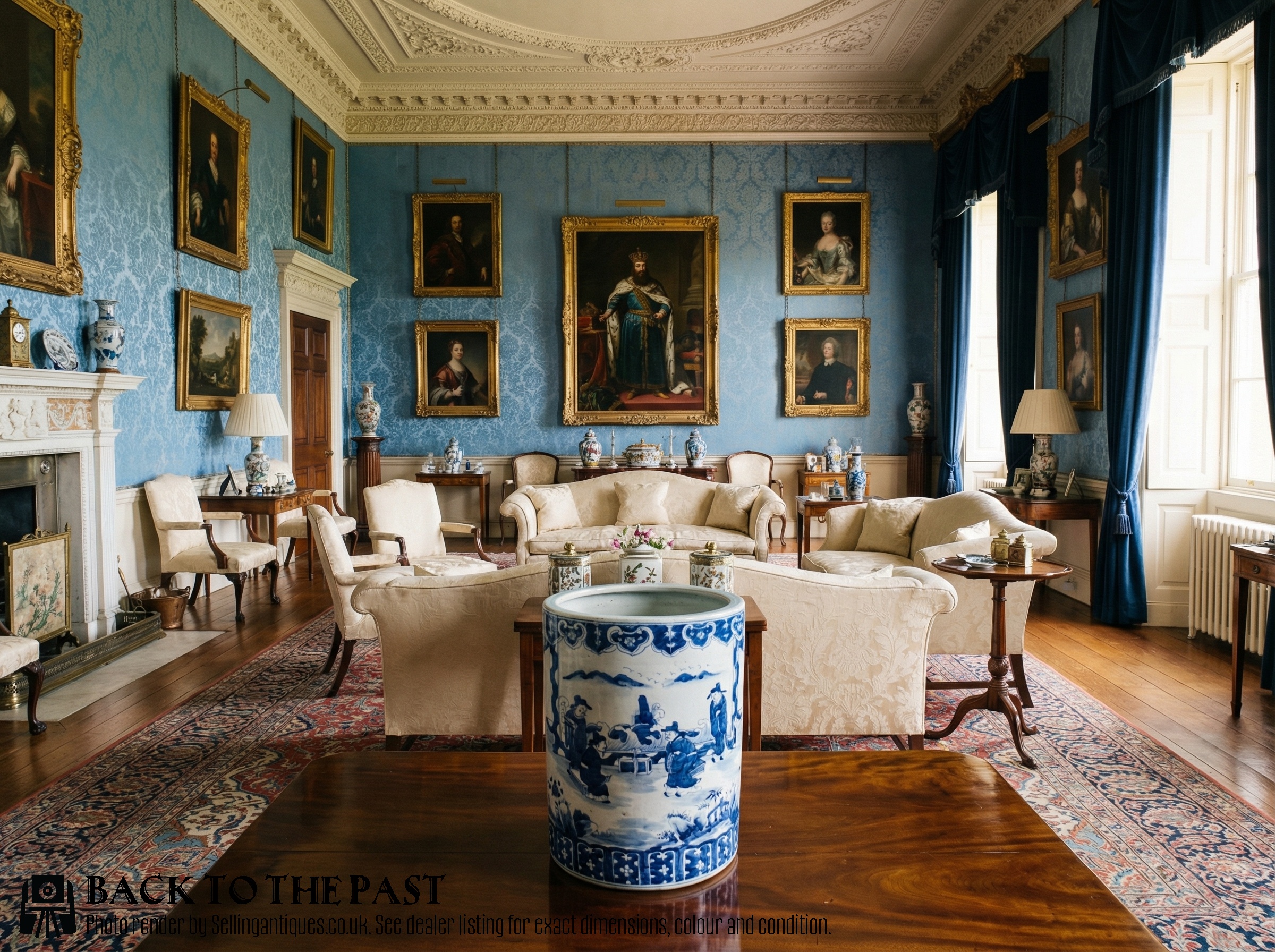
Nineteenth century chinese porcelain brings vibrant enamel palettes and intricate blue and white designs into domestic interiors.
Nineteenth Century Chinese Porcelain
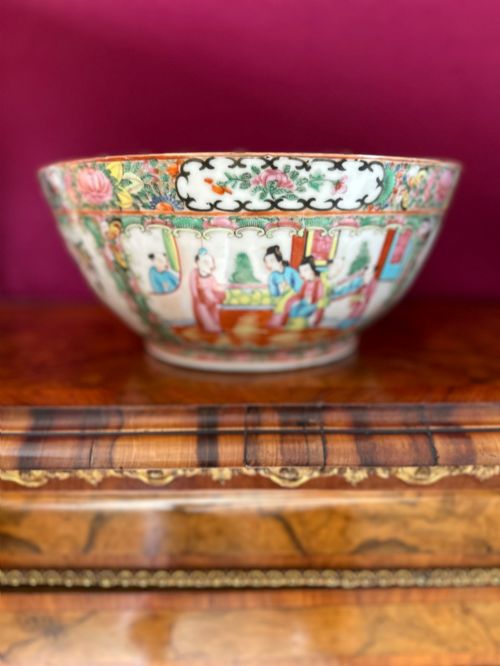
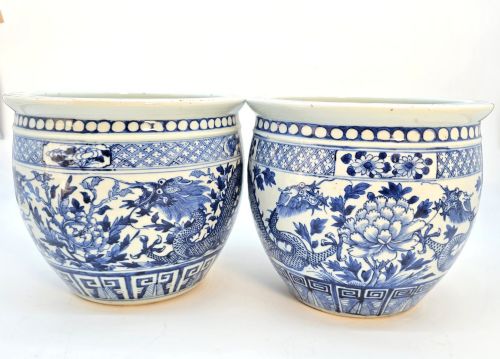
Nineteenth century chinese porcelain encompasses a broad range of decorative and functional objects produced during the Qing Dynasty and Victorian periods. Collectors encounter diverse forms including garden seats, jardinieres, incense burners, and brush pots alongside heavily decorated vases and bowls.
Many pieces reflect export production intended for Western markets, often incorporating gilt bronze or ormolu mounts to suit European tastes. Table lamps and mounted bracket clocks demonstrate how utilitarian or decorative vessels were adapted for domestic utility over time.
Materials and Techniques
Production relies on refined porcelain clay bodies fired at high temperatures, finished with colourful enamel pigments, underglaze blue, and gold leaf highlights. Ironstone and monochrome glazes also appear across specific forms.
Secondary mounting techniques utilise gilt bronze and brass to secure decorative vessels, transforming plates, jars, and vases into functional lamps and mounted timepieces.
Sturdy garden seats double as occasional tables when brought indoors.
Evaluating Execution
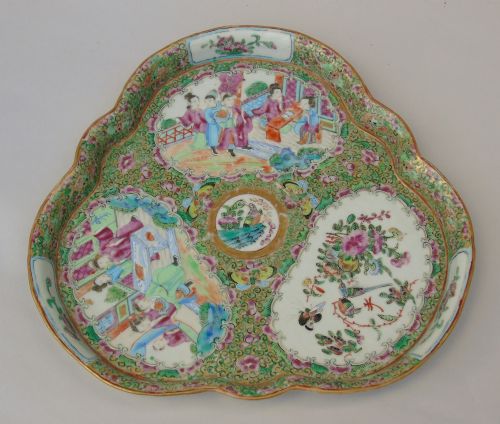
Quality rests upon the precision of the hand-painted brushwork, the vibrancy of the famille rose or blue and white pigments, and the clarity of the underlying glaze. Superior examples display meticulous detail in figures, flora, and narrative scenes.
The sophistication of metal mounts, such as gilt bronze or ormolu framing on lamps and clocks, distinguishes standard utilitarian adaptations from finer decorative works.
C.J. Mason·Samson
The Nineteenth Century Chinese Porcelain Glossary
- Famille Rose
- A prominent palette of opaque pink and rose enamels introduced during the Qing Dynasty. This coloration dominates nineteenth century export plates, bowls, and vases.
- Canton
- A major trading port associated with colourful export porcelain decorated with detailed figural scenes and floral borders. Canton bowls and vases frequently feature dense rose medallion patterns.
- Prunus
- A decorative motif depicting blossoming plum branches, typically rendered in deep blue against a cracked-ice background. This classic design appears widely on nineteenth century jars and vases.
- Ormolu
- Gilt bronze mounts applied to furniture, clocks, and porcelain vessels. Makers utilised these metal fittings to elevate decorative objects for European interiors.
Nineteenth Century Chinese Porcelain: Frequently Asked Questions
How do I identify nineteenth century pieces?
Look closely at the hand-painted enamel colours, potting thickness, and style of decoration typical of the Qing Dynasty and Victorian eras. Reign marks or specific export characteristics often provide further context regarding production dates.
Compare the blue and white pigments or famille rose palettes against known examples from the period to confirm authenticity and origin.
Were these porcelain items made for export?
A significant portion of nineteenth century chinese porcelain was specifically manufactured for Western markets through trading hubs like Canton. These export wares frequently blended traditional Eastern motifs with shapes suited to European homes.
Later adaptations, such as mounting vases as table lamps or incorporating gilt bronze clocks, further catered to Western interior design trends.
How should I care for mounted porcelain lamps?
Dust the porcelain body gently with a soft, dry cloth to protect the delicate enamel and gold leaf decorations from abrasion. Avoid using harsh chemical cleaners or submerging mounted metal parts in water.
Ensure that electrical components on converted lamps are periodically checked by a qualified professional to maintain safety during daily use.
What is the difference between Canton and Rose Medallion?
Canton porcelain generally encompasses a broad category of colourful export wares featuring detailed figures, birds, and flowers arranged in distinct panels. Rose Medallion is a specific style within that tradition, characterised by alternating panels of birds, butterflies, and people surrounding a central medallion.
Both styles utilise the vibrant pink famille rose palette that defined nineteenth century production.