

Nineteenth Century Case
A nineteenth century case gathers delicate instruments, books, and clocks behind glass, velvet, and timber.
Nineteenth Century Case
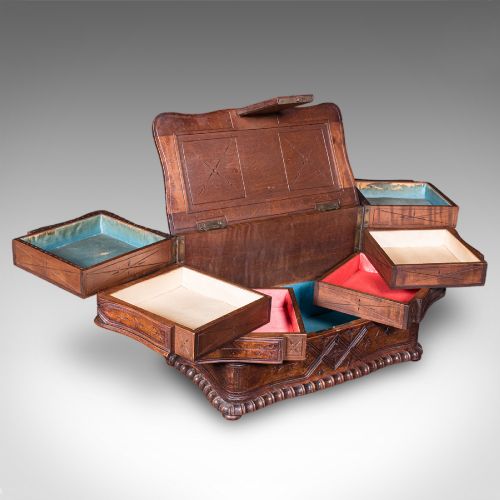
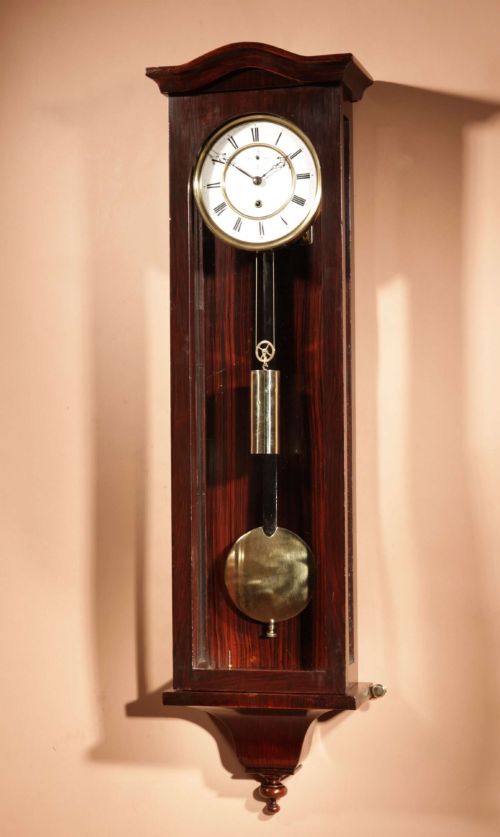
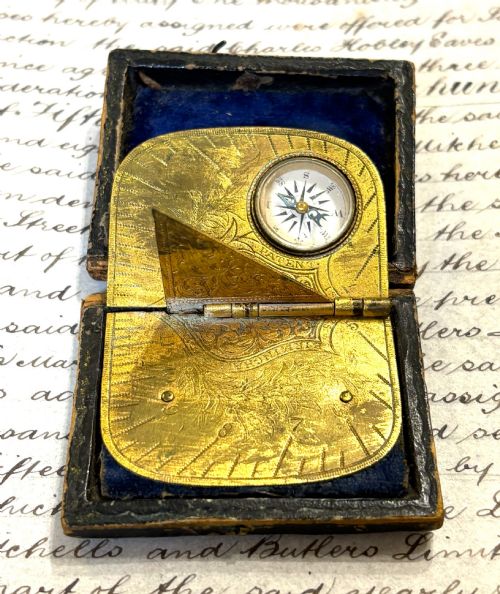
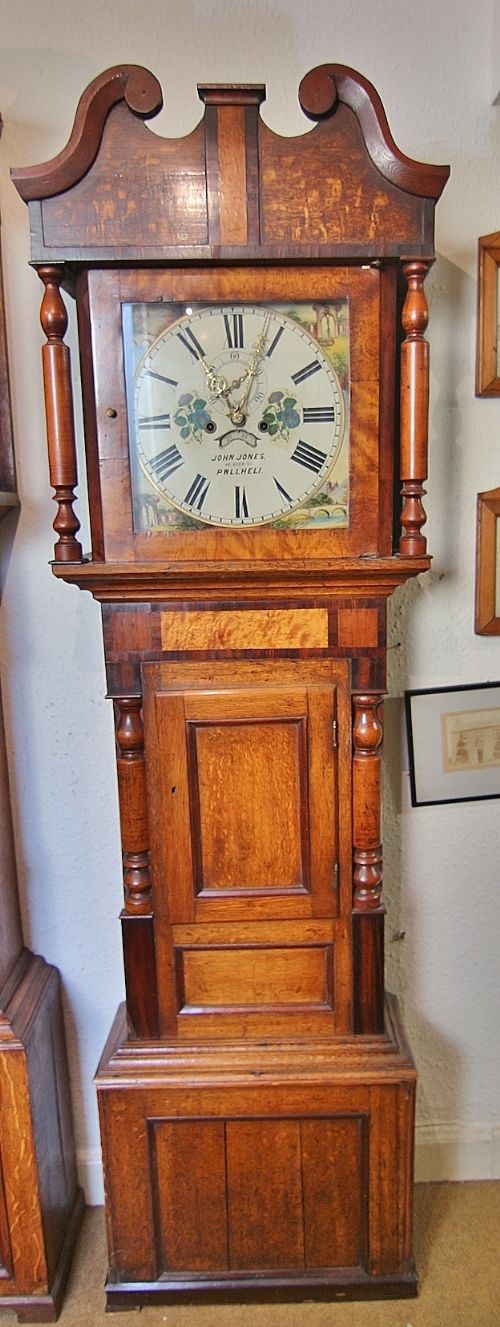
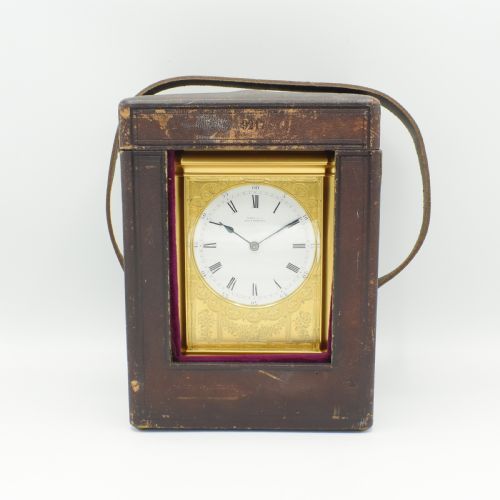
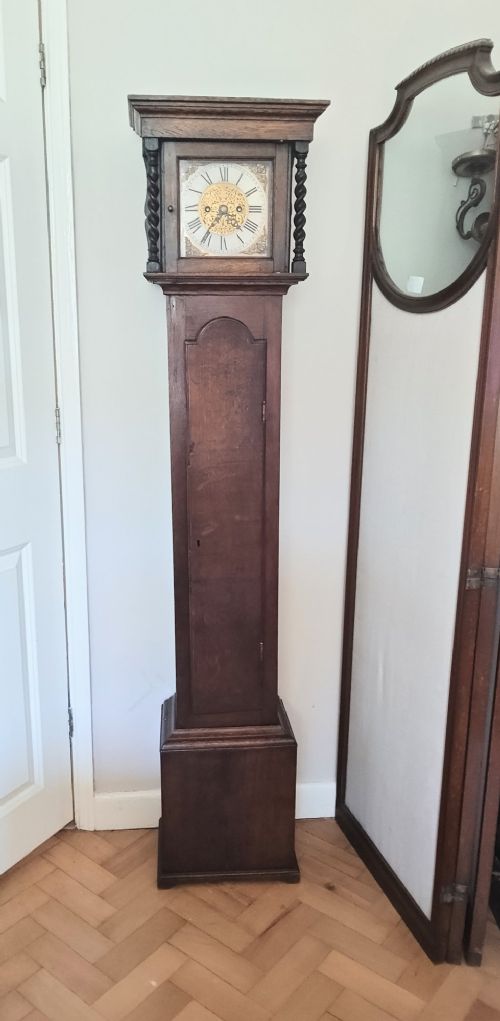
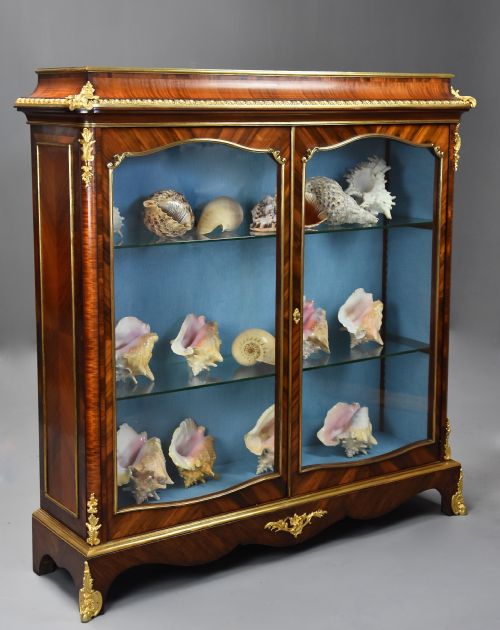
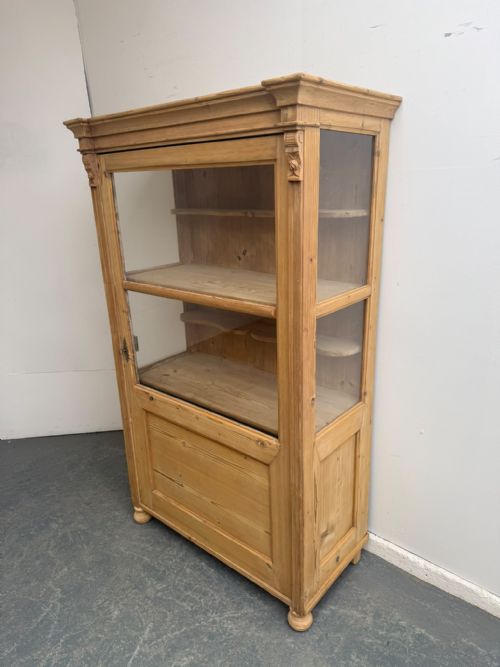
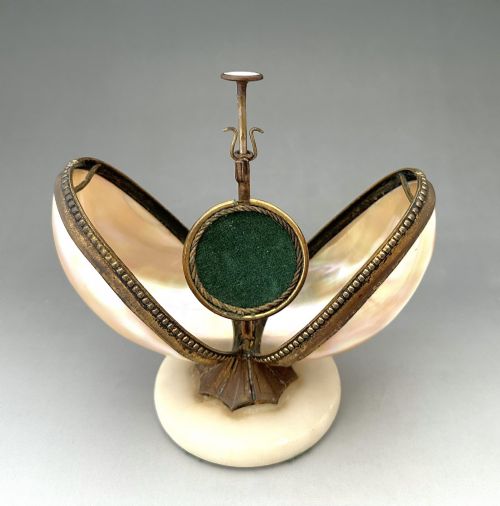
A nineteenth century case encompasses housing for horology, scientific instruments, books, and delicate personal objects. Buyers discover tall bookcases, wall clocks, tabletop display cabinets, and fitted boxes lined with velvet or leather.
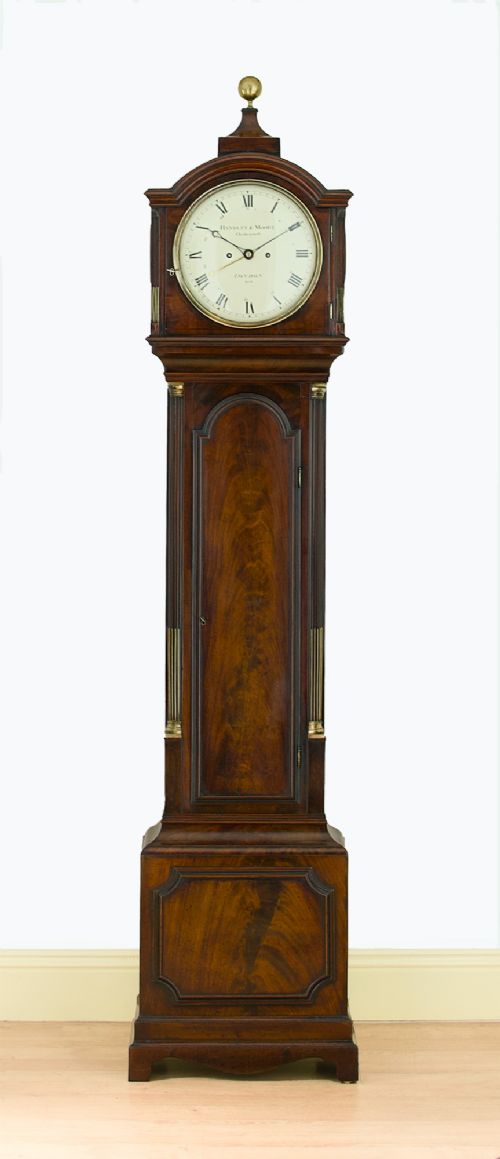
The term bridges functional storage and decorative display, reflecting the era's taste for order and exhibition. Longcase clocks, vitrines, and travel sets dominate the selection on offer.
Originating largely from British and French workshops, these pieces range from utilitarian scientific housings to ornate drawing-room vitrines. Each item serves to protect and showcase its contents.
Materials and construction
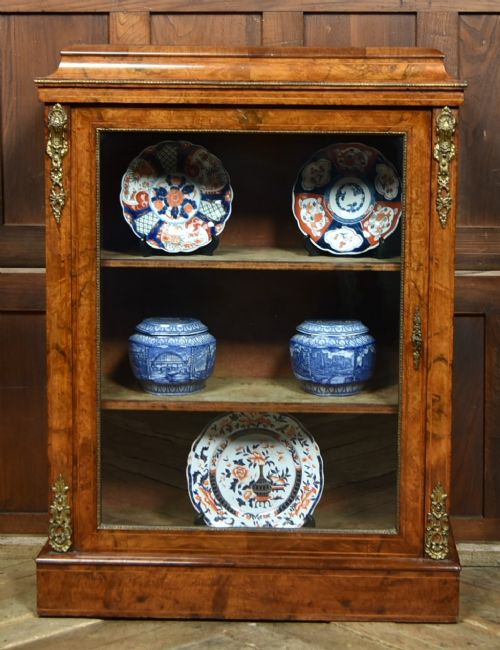
Cabinetmakers utilised dense timbers such as mahogany, walnut, rosewood, and kingwood, often framing them with glass panels. Brass mounts, ormolu decoration, and inlaid details frequently accentuate the primary wood structures.
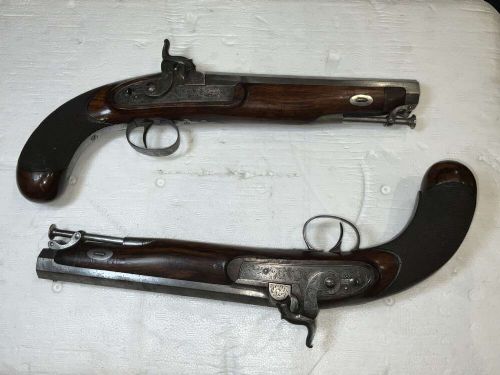
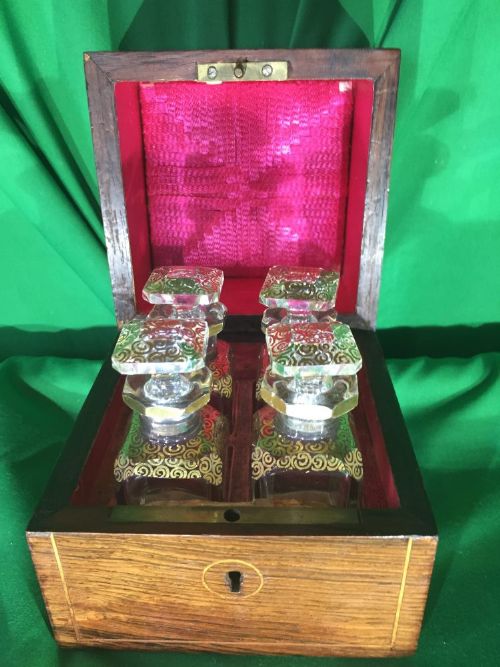
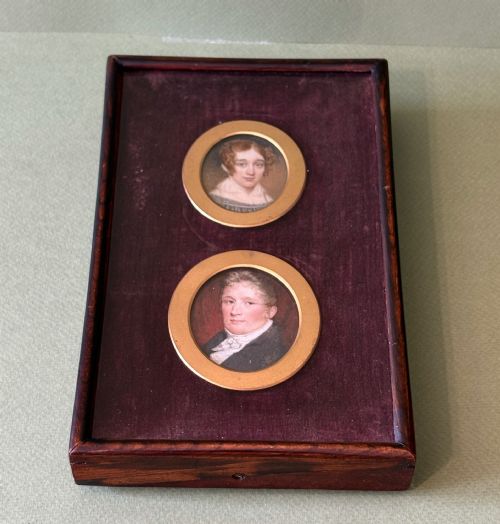
Interiors reveal bespoke organisation lined in velvet, leather, or silk, tailored for precision instruments, pistols, or scent bottles. French vitrines and English bookcases demonstrate joinery reliant on dovetailed joints and glazed door framing.
Nineteenth Century Case Retail Price Guide 2026
Typical asking prices for nineteenth century case among the pieces listed under this phrase on Sellingantiques today, from the lower quarter to the upper quarter. They describe what is for sale here now, not the wider market.
The inventory records longcase clocks, wall clocks, scientific instruments, and display cabinets from the Victorian period.
Discerning quality
Quality rests in the precision of the timber selection, such as figured mahogany or book-matched walnut veneer, paired with refined hardware like cast ormolu mounts. The harmony of proportions and the crispness of carved details distinguish superior examples from simpler utilitarian pieces.
Interior execution signals the standard of craftsmanship, visible in hand-stitched leather linings, fitted compartments, and original glass panes. Makers who integrated complex mechanical actions or signed dials elevate the standing of the work.
Handley and Moore·Holtzapffel and Co·H Mitchell·Antoine Redier·G Colani·Joseph Egg·Walker·H Hughes and Son·David Craig·G Durand·François Linke·John Newman·Thomas Rubergall·Adie and Son·John Crichton·Dollond
The Nineteenth Century Case Glossary
- Vitrine
- A glass-fronted display cabinet designed for porcelain and curiosities. These pieces often feature French marquetry and ormolu mounts.
- Fusee
- A conical pulley mechanism in clocks that ensures even tension as the mainspring unwinds. This device maintains consistent timekeeping accuracy across the duration of the run.
- Ormolu
- Gilded bronze ornamentation applied to furniture and clocks. French cabinetmakers favoured this technique for decorative mounts.
- Breakfront
- A piece of furniture where the central section projects forward from the flanking wings. This architectural arrangement creates depth in bookcases and cabinets.
- Cased
- An instrument, clock, or tool housed in its original fitted container. Materials typically include leather, mahogany, or pine.
Nineteenth Century Case: Frequently Asked Questions
How do I care for wood cases?
Keep timber pieces away from direct sunlight and steady humidity fluctuations to prevent veneer cracking. Apply microcrystalline wax sparingly to nourish the polished surface.
Avoid liquid polishes that build up residue over time. A soft, dry cloth is sufficient for routine dusting.
What fits inside a vitrine?
Vitrines suit porcelain, glass, miniatures, and small silver objects. The enclosed glass shelves protect delicate items from dust.
Lighting should remain indirect to prevent colour fading on sensitive materials. Group items by period or material for visual balance.
How do longcase clocks function?
Weights suspended by cords drive the movement while a pendulum regulates the beat. Winding is required at regular intervals depending on the eight-day or thirty-hour movement design.
Placement against a stable, solid wall is essential for proper operation. Ensure the case is levelled on the floor to maintain an even tick.
Are travel cases still functional?
Fitted travel boxes house instruments, pistols, or scent bottles within tailored compartments. The sturdy exterior and lined interior originally protected contents during transit.
Today, they function well for secure tabletop storage or display. Check that interior velvet or leather remains intact.