
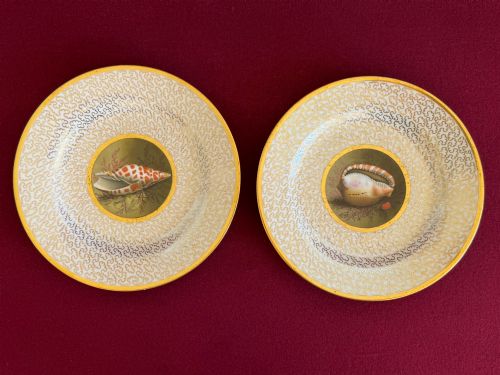
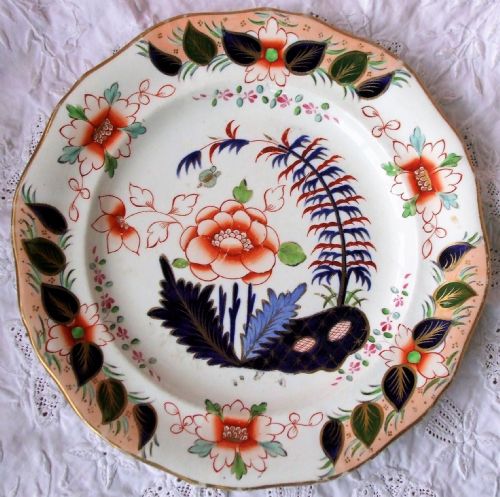


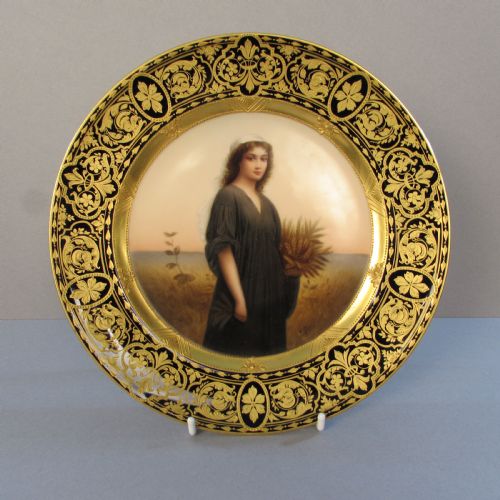

Nineteenth Century Cabinet Dish
A nineteenth century cabinet dish is a decorative ceramic plate meant for display rather than the table, prized for hand-painted scenes and rich gilding.
Nineteenth Century Cabinet Dish
A nineteenth century cabinet dish appears in various forms on this page, including cabinet plates, decorative plates, chargers, and dessert plates. These pieces span periods from the Georgian and Regency eras through the Victorian period, reflecting evolving domestic tastes in display ceramics.
Makers and factories across England, France, Germany, Austria, and Russia produced these items for formal interiors. English porcelain and ironstone works sit alongside French Sevres style dishes and Imperial Russian wares, showing wide geographic reach.
Materials and Manufacture
Makers utilised fine porcelain, earthenware, and heavy ironstone as the foundation for these items. Ceramic bodies were shaped into plates and oval dishes before receiving hand-painted decoration.
Gilding, gold leaf, and enamel work provided the rich surface details seen across the selection. Artisans applied these metallic finishes by hand to highlight central motifs and borders.
Listings feature porcelain, ironstone, and earthenware alongside gold leaf and enamel finishes from the Georgian to the Victorian eras.
Assessing Quality and Execution
The sophistication of the hand-painted artwork dictates the standing of an individual piece. Detailed figure scenes, armorial crests, and intricate floral patterns separate standard production from superior examples.
The application of gold leaf and the crispness of the porcelain body also signal the skill of the factory or artist. Firm attributions to known porcelain houses add notable weight to a piece.
John Davenport of Longport·James Rouse Jnr·Pucher Deroche·Chamberlain's Worcester·Barr Flight and Barr·C.J. Mason·Kornilov Brothers·Copeland Porcelain·Meissen·Coalport·Sevres·Royal Vienna
The Nineteenth Century Cabinet Dish Glossary
- Cabinet plate
- A decorative ceramic plate intended for display in a cabinet or on a wall rather than for everyday dining. These items often feature elaborate painted scenes.
- Ironstone
- A durable type of heavy earthenware patented in the nineteenth century to rival true porcelain. It provides a robust body for transfer-printed and hand-painted patterns.
- Gilding
- The application of gold leaf or gold paint to ceramic surfaces. This technique adds metallic lustre to rims, handles, and decorative borders.
- Armorial
- A term describing ceramics decorated with a family crest or coat of arms. Such pieces were often commissioned by landed families.
- Charger
- A large ornamental plate used traditionally as a base under other courses or displayed on its own. They provide a wider canvas for detailed narrative painting.
Nineteenth Century Cabinet Dish: Frequently Asked Questions
What is a cabinet dish?
A cabinet dish is an ornamental ceramic plate made primarily for display in drawing rooms or dining parlours during the nineteenth century. These items were not intended for practical dining use.
Instead, they served as visual statements, showcasing fine artistic skill, heraldry, or scenic painting from major European factories.
How were nineteenth century dishes used?
Owners displayed these pieces in glazed cabinets, on sideboards, or mounted on walls to demonstrate taste and social standing. They formed part of curated interior schemes.
Some dessert plates saw occasional service during formal dining, but many cabinet pieces remained purely decorative objects from the outset.
How do I identify different factory styles?
Factories often applied specific marks to the underside of the ceramic body, ranging from painted script to impressed ciphers. Comparing paste and glaze helps determine origin.
Stylistic clues such as Regency chinoiserie, Victorian armorial crests, or French floral motifs also point toward particular workshops and periods.