



Nineteenth Century Bronze Hand
Nineteenth century bronze hand models are sculptural objects representing human anatomy, collected as Grand Tour souvenirs.
Nineteenth Century Bronze Hand
A nineteenth century bronze hand is typically encountered as an Italian Grand Tour bronze model of a child’s hand or putto forearm. These sculptural items reflect the nineteenth century interest in classical antiquity and human form.
The objects derive from European travel traditions where visitors collected small bronzes. They function purely as decorative desk accessories or cabinet pieces.
How nineteenth century bronze hand pieces were made
These metal objects utilise traditional casting methods to shape bronze into realistic anatomical forms. Details are refined through hand-chiselling and patination after the cast is cooled.
Mounts and bases incorporate related materials such as gilt bronze or brass to display the primary sculptural element.
Nineteenth Century Bronze Hand Retail Price Guide 2026
Typical asking prices for nineteenth century bronze hand among the pieces listed under this phrase on Sellingantiques today, from the lower quarter to the upper quarter. They describe what is for sale here now, not the wider market.
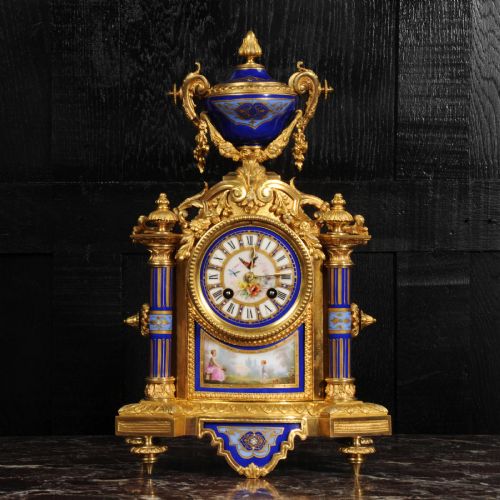
Current listings demonstrate that nineteenth century bronze items share gallery space with gilt bronze, porcelain, and ormolu clock sets.
What varies in quality
Quality rests upon the crispness of anatomical definition and the subtlety of the surface patina. Earlier castings retain sharper fingernail and knuckle details than later iterations.
The weight of the metal and the fidelity to classical proportions distinguish standard decorative items from superior sculptural examples.
Japy Freres·Miroy Freres·Louis Pierre Malpass·Marti
The Nineteenth Century Bronze Hand Glossary
- Grand Tour
- A cultural journey undertaken by upper-class Europeans to study classical art and architecture. This travel tradition generated a market for small-scale bronze sculptures and models.
- Patina
- The surface sheen or colour acquired by metal over time or through chemical treatment. It reveals the age and handling history of the bronze.
- Putto
- A representation of a human infant, frequently winged, appearing in classical and revival art. These figures often provided the anatomical reference for smaller hand and arm models.
- Ormolu
- Gilded bronze used widely for mounts and decorative objects during the period. The technique involves applying a mercury-gold amalgam to a bronze base.
Nineteenth Century Bronze Hand: Frequently Asked Questions
What is a nineteenth century bronze hand?
A nineteenth century bronze hand is a small sculptural model cast in metal, often originating as a Grand Tour souvenir from Italy.
These pieces depict human hands or arms, frequently modelled on children or putti, and were collected by travellers.
How were bronze hands used?
They functioned primarily as decorative desk items, paperweights, or cabinet curiosities for collectors of classical art.
Owners displayed them alongside other small sculptures and porcelain objects in nineteenth century interiors.
What materials are used?
The primary material is cast bronze, sometimes finished with a dark brown or green patination to simulate antiquity.
Related pieces incorporate brass or gilt bronze elements for mounting or display on plinths.
How do I identify the period?
Period identification relies on the casting technique, the character of the surface patination, and the style of any attached base.
Nineteenth century examples display the specific metallurgical composition and finishing methods common to European foundries of that era.