



Neoclassical Painted Bed
These neoclassical painted bed pieces bring architectural proportion and hand-painted charm directly to the bedroom.
Neoclassical Painted Bed
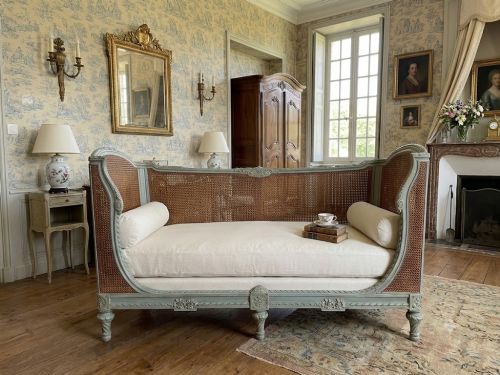
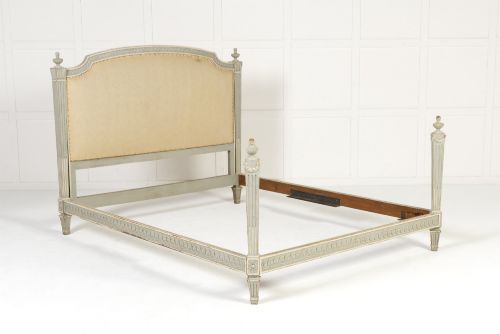
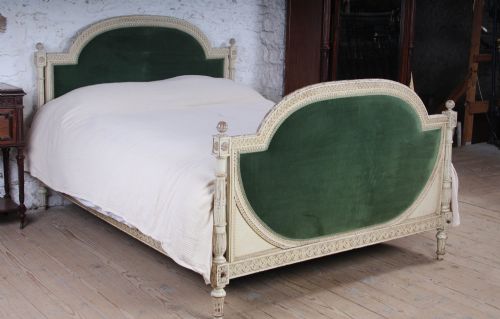
A neoclassical painted bed delivers the balanced symmetry and restrained ornament of the style directly to the sleeping chamber, drawing on French design traditions from the nineteenth and early twentieth centuries. These frames range from generous double and king sizes to daybeds and smaller single forms, often echoing Louis XVI or French Empire aesthetics through straight lines and classical motifs.
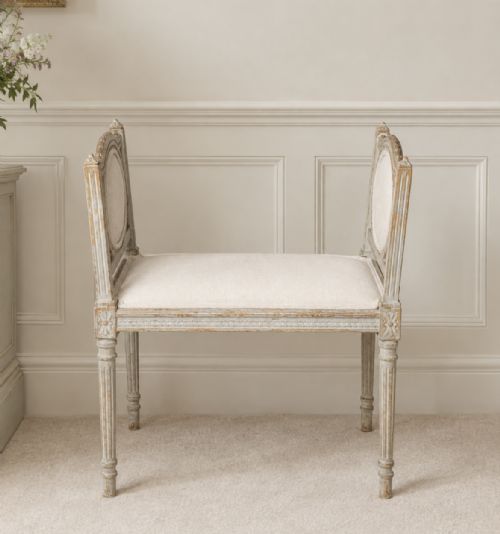
The pieces available here lean heavily towards French Chateau influences, with painted wood surfaces that soften the grandeur of traditional antique furniture. Alongside full bed frames, buyers frequently encounter related forms such as daybeds and canapés that share the same characteristic painted finishes and classical vocabulary.
Dating primarily from the nineteenth century up to around nineteen-ten, these items bridge formal historical design and domestic comfort. The woodwork carries decades or centuries of applied colour, creating a focal point that relies on painted decoration rather than heavy carved mahogany or walnut.
How they were made
Makers constructed these frames from solid timbers such as beech and other painted woods, shaping structural elements to achieve classical proportions. Artisans applied layers of paint to the wooden surfaces, sometimes incorporating hand-painted portrait panels or polychrome details directly onto the panels.
Textiles and natural materials played a vital role in the construction of headboards and daybeds, with linen and various fabrics used for upholstery. Caned panels appeared frequently on daybeds and specific bed frames, providing texture alongside brass embellishments that highlighted key architectural junctions.
Listings feature items spanning the nineteenth century through to nineteen-ten, utilising beech, cane, brass, and painted wood.
What varies in quality
The refinement of the painted surface determines much of the distinction across these pieces, moving from simple monochrome coats to intricate hand-painted portrait panels and polychrome detail. Superior examples display careful brushwork and harmonious colour palettes that age gracefully over the decades.
Structural integrity and the quality of the underlying timber dictate the durability of each frame, particularly where beech or other woods support substantial double and king size proportions. Finer execution shows in the precision of brass embellishments and the tight integration of cane or upholstery work.
The Neoclassical Painted Bed Glossary
- Polychrome
- Decorated in multiple colours. This technique appears on specific single beds featuring hand-painted portrait panels.
- Louis XVI Style
- A design movement characterised by straight lines, classical symmetry, and restraint. It forms the primary aesthetic foundation for these painted beds.
- French Empire
- A heavy, classical style inspired by ancient Roman and Greek design. It influences the proportion and decorative brass elements found on select pieces.
Neoclassical Painted Bed: Frequently Asked Questions
How do I style a painted bed in a modern room?
Pair the painted wooden frame with neutral linens to let the classical lines and hand-painted details stand out without competing for attention. The muted tones of nineteenth-century paintwork anchor contemporary interiors effectively.
Keep surrounding furniture simple to respect the architectural presence of the bed. Natural textures like wood and unpolished metal complement the antique painted finish.
Are these beds standard modern sizes?
Many French antique beds were built to historical dimensions rather than strict modern standards. Double and king size terms apply, but checking exact internal measurements ensures contemporary mattresses fit correctly.
Some frames accommodate standard slats or custom bases placed within the antique rails. Consulting the specific dimensions prevents sizing surprises upon delivery.
What maintenance do painted wooden frames need?
Dust the painted surfaces regularly with a soft, dry cloth to prevent dirt accumulation. Avoid harsh chemical cleaners that can damage historic paint layers.
Keep the wood away from direct heat sources and strong sunlight to protect the finish from fading or cracking. Gentle handling preserves the integrity of applied brass embellishments and delicate panels.
How can I tell a nineteenth-century piece from a later revival?
Nineteenth-century examples display hand-tooling marks on the timber and older paint layering techniques. Revival pieces from nineteen-ten often show more uniform machine-prepared components.
Examine the joinery and the way hardware attaches to the frame. Older pieces reveal construction methods consistent with traditional cabinet-making practices of their era.