

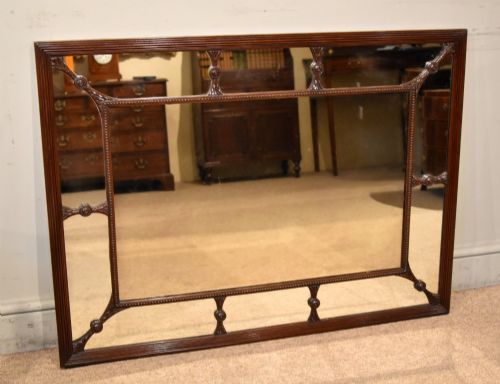
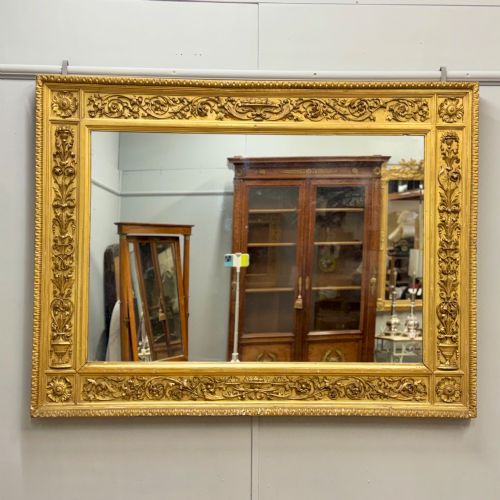
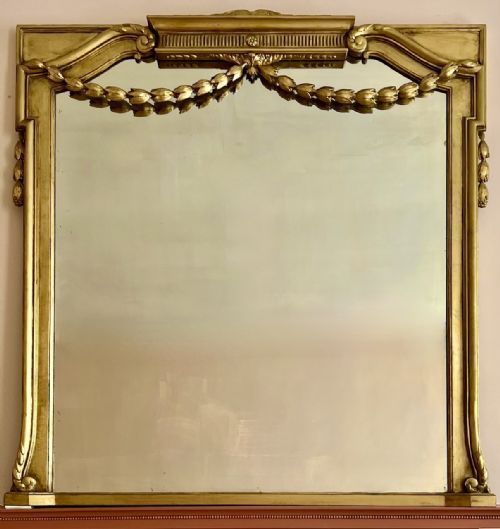
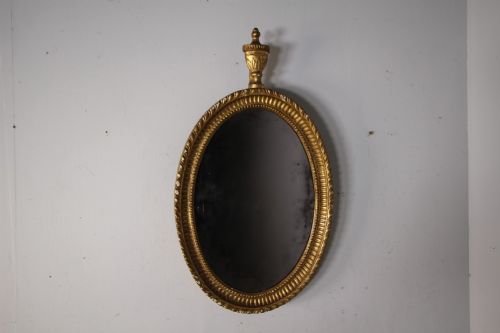
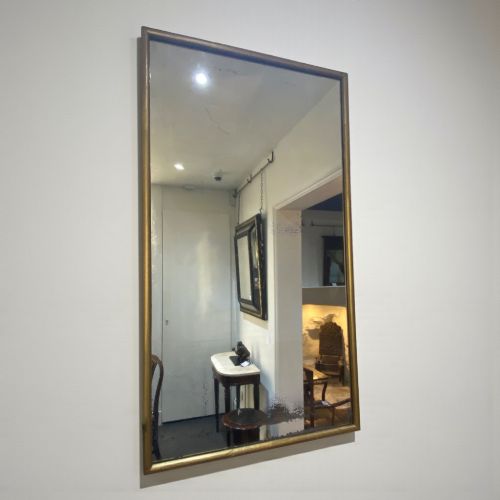
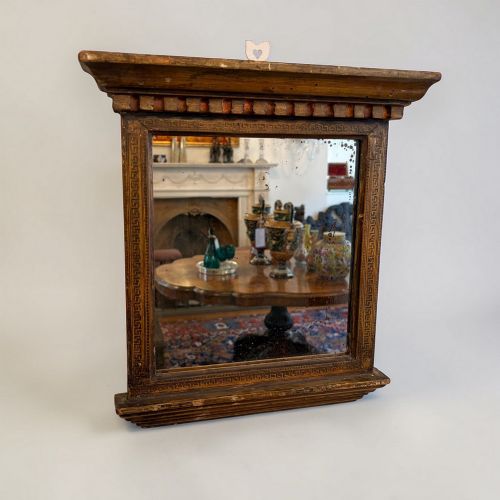
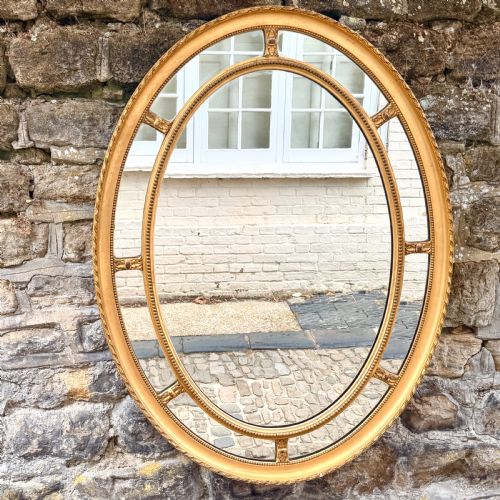
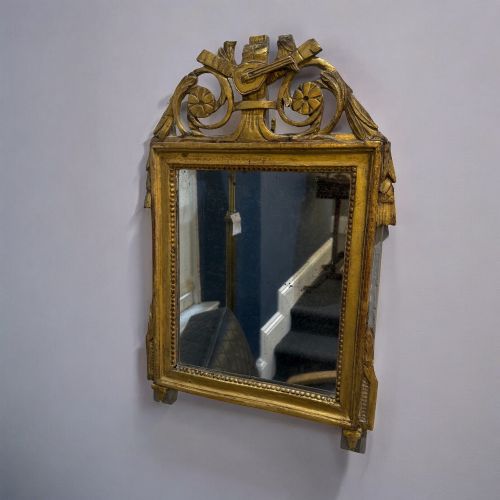
Neoclassical Mirror Frame
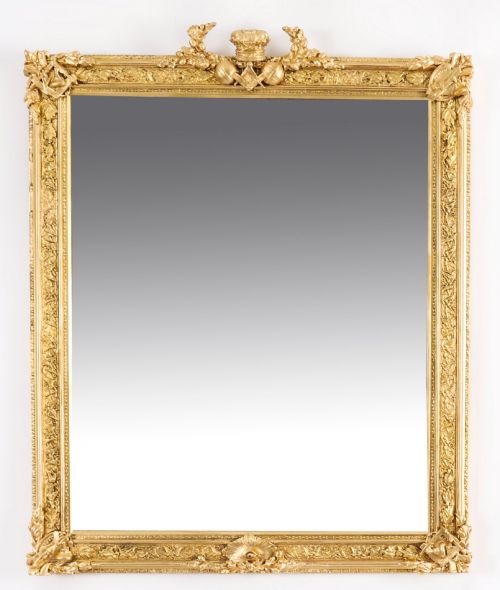
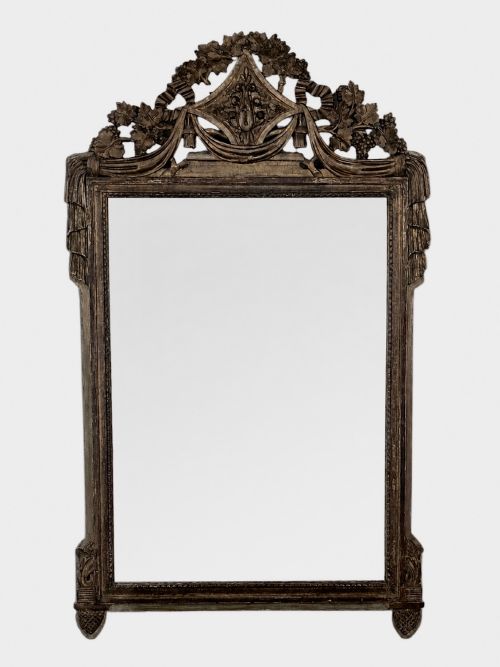
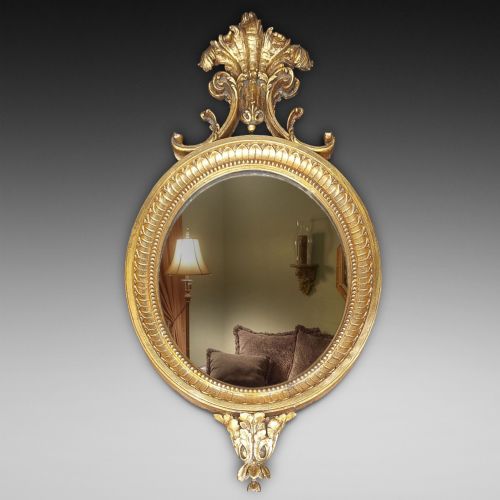
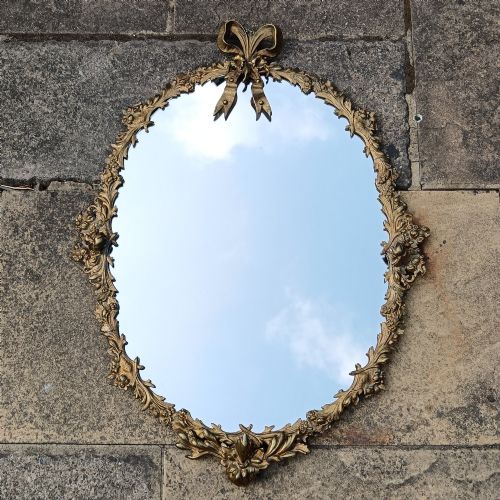
A neoclassical mirror frame brings symmetry, classical restraint, and refined gilded detail into a room.
Neoclassical Mirror Frame
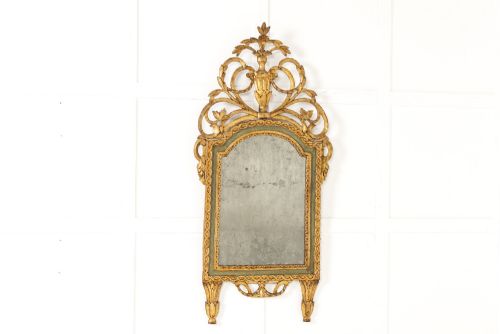
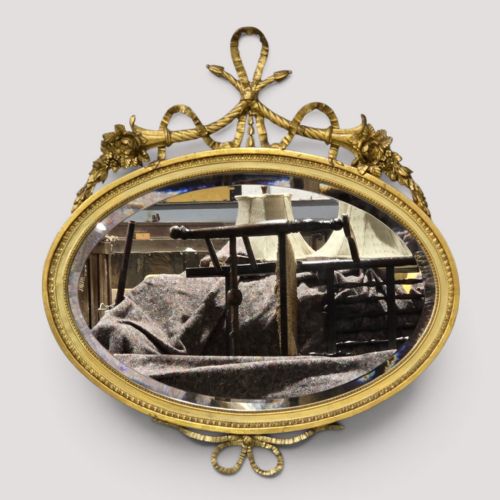
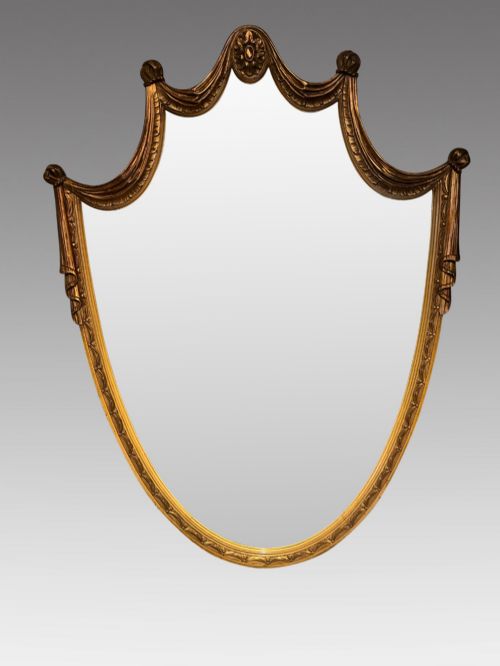
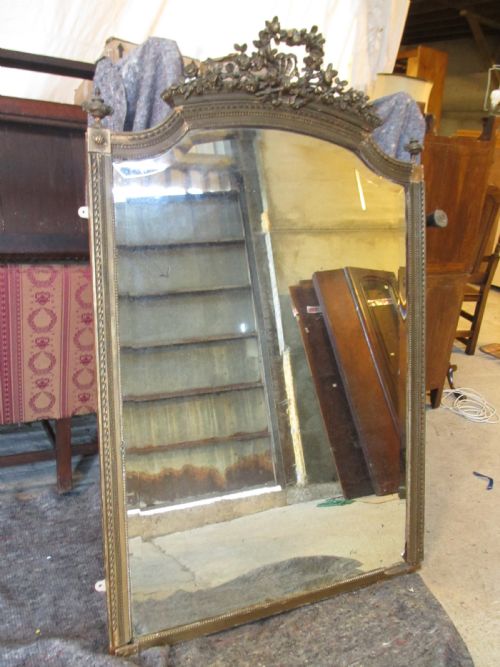
A neoclassical mirror frame represents a distinct shift towards classical antiquity, incorporating symmetrical motifs, urns, swags, and architectural lines derived from Greek and Roman precedents. When searching for a neoclassical mirror frame, buyers encounter pieces originating primarily from the eighteenth and nineteenth centuries, spanning Georgian, Regency, and Louis XVI styles.
The selections on this page predominantly take the form of wall mirrors and overmantels, rendered in oval, rectangular, or pier formats. French neoclassical and English Adam revival examples appear frequently, alongside Italian interpretations featuring painted finishes.
Makers and craftsmen of these periods utilised carved timber and composition ornament to achieve crisp, classical proportions that continue to anchor period and contemporary interiors alike.
How They Were Made
Makers constructed these frames using timber substrates such as pine, oak, or carved gesso-coated woods, upon which detailed ornamentation was built. Giltwood and gold leaf application required laying gold leaf over a prepared bole ground, while composition mouldings provided repetitive classical motifs like bead-and-reel or egg-and-dart.
Mirrors from the eighteenth and nineteenth centuries commonly employed mercury plates or early mirror glass, often held within rabbets and secured with wooden backs. Painted finishes, including faux marble or parcel-gilt details, relied on oil-based pigments applied directly to the prepared wooden surface.
Neoclassical Mirror Frame Retail Price Guide 2026
Typical asking prices for neoclassical mirror frame among the pieces listed under this phrase on Sellingantiques today, from the lower quarter to the upper quarter. They describe what is for sale here now, not the wider market.
Listings feature pieces spanning the eighteenth century through the Edwardian era, predominantly utilising giltwood, gesso, and mirror glass.
What Varies in Quality
The distinction between standard production and exceptional work rests on the crispness of the hand-carved wood versus moulded composition ornament. Superior examples display deeply undercut carving in giltwood, where botanical swags, ribbons, and classical urns retain sharp definition.
The original integrity of the glass plate and the retention of mercury silvering or early bevels contribute significantly to a piece's standing. Frames that maintain their original gilding without excessive overpainting demonstrate superior preservation over centuries.
The Neoclassical Mirror Frame Glossary
- Giltwood
- Wood that has been coated with gold leaf over a prepared gesso and bole ground. This technique creates a luminous, warm metallic surface found on high-status period frames.
- Gesso
- A plaster-like mixture applied to wood frames to provide a smooth surface for gilding or painting. It can also be built up and carved directly.
- Mercury Plate
- An early mirror glass manufacturing method utilising a tin and mercury amalgam. This process produces a characteristic mottled, dark reflection.
- Trumeau
- A decorative wall mirror combined with a painted panel or oil painting above the glass. These were designed to fit between windows in formal rooms.
- Overmantel
- A large mirror specifically proportioned to hang above a fireplace mantelpiece. They often feature horizontal orientations and architectural framing.
Neoclassical Mirror Frame: Frequently Asked Questions
How do I hang a heavy giltwood mirror safely?
Heavy frames require load-bearing fixings secured directly into wall studs or masonry rather than plasterboard alone. Professional mirror hangers utilise heavy-duty steel wire or French cleats suited to the weight of carved wood and glass.
Ensuring the hanging hardware engages the structural frame of the mirror rather than just the backing boards prevents separation over time.
What defines Louis XVI style framing?
Louis XVI style mirrors lean heavily into straight lines, symmetry, and classical restraint in direct contrast to the preceding Rococo asymmetry. Common motifs include laurel wreaths, ribbons, fluted columns, and torch bundles.
These pieces typically date from the nineteenth-century revival periods as well as the eighteenth century proper.
How should I clean antique giltwood?
Giltwood surfaces require extremely gentle maintenance using a soft dry brush to remove dust. Moisture and chemical cleaners strip gold leaf and damage the underlying gesso.
Professional conservation is recommended for any repairs or deep cleaning of fragile antique gilding.
Are mercury glass plates original to these frames?
Mercury plates often appear in eighteenth and early nineteenth-century mirrors, displaying characteristic dark spots and uneven reflection. The presence of mercury plate helps confirm the age of the glass relative to the frame.
Replacements occurred frequently due to damage, so inspecting the mirror backing provides clues about originality.