



Neoclassical Marble Ornaments
Neoclassical marble ornaments bring classical antiquity indoors through sculpted stonework and bronze mounts.
Neoclassical Marble Ornaments
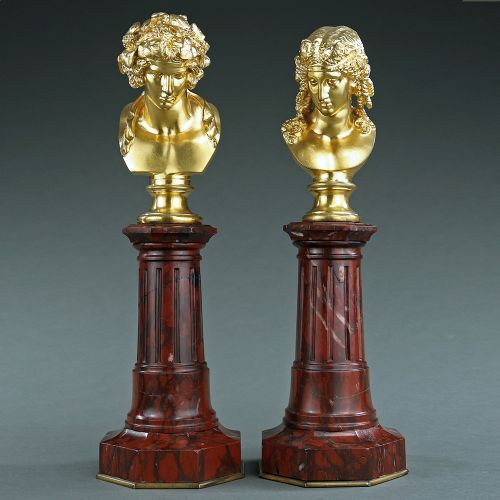
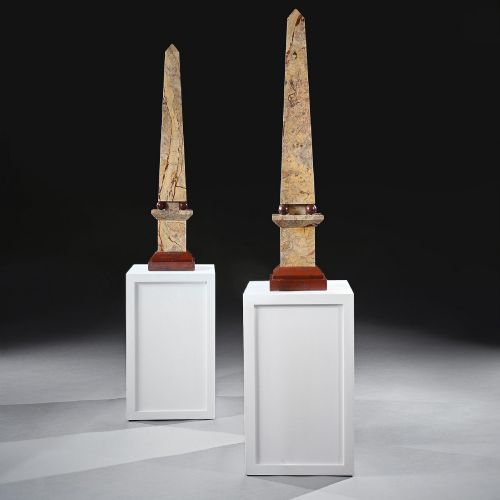
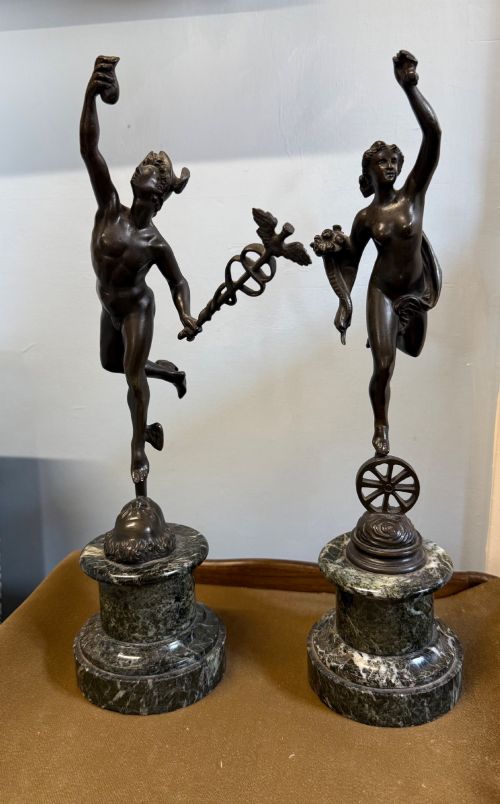
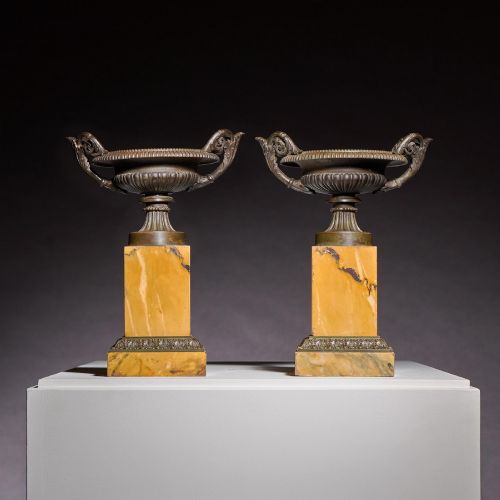
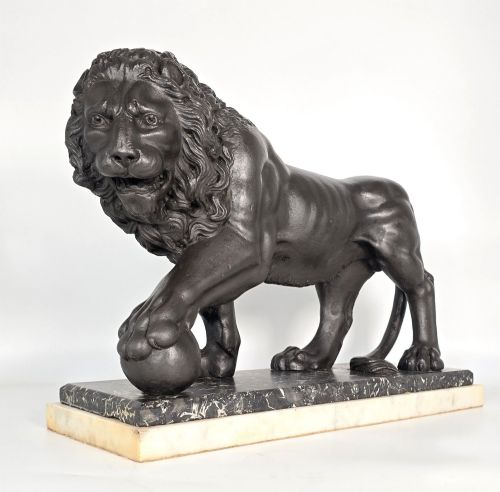
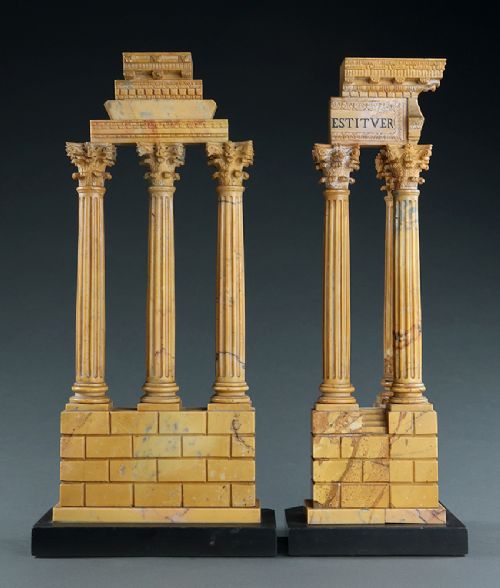
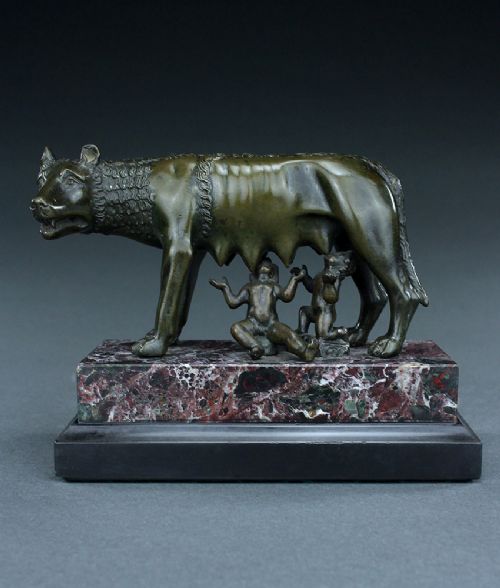
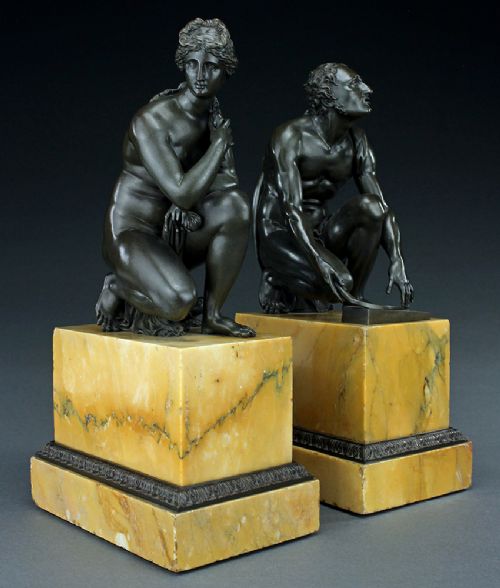
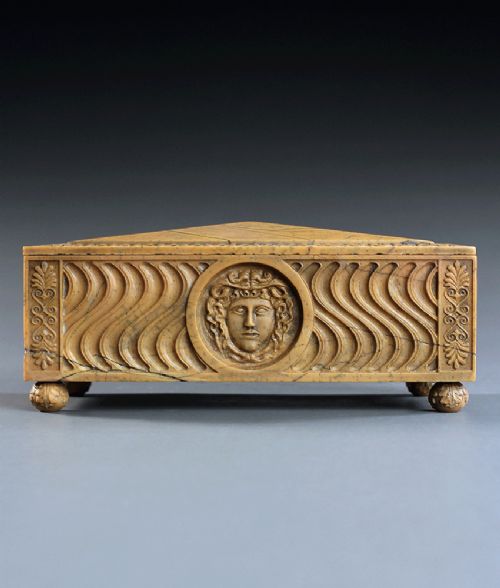
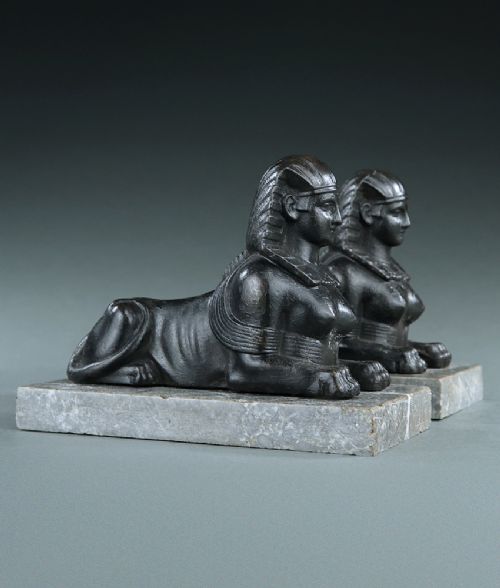
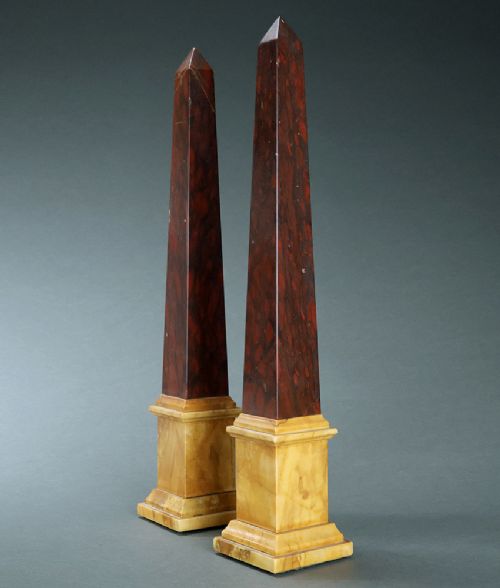
When buyers search for neoclassical marble ornaments, they look at pieces rooted in nineteenth-century interpretations of ancient antiquity. The selections here centre on Grand Tour souvenirs, architectural models, and decorative objects created across the nineteenth and early twentieth centuries. Pieces span obelisks, tazzas, cassolettes, and animal sculptures set upon pedestals.
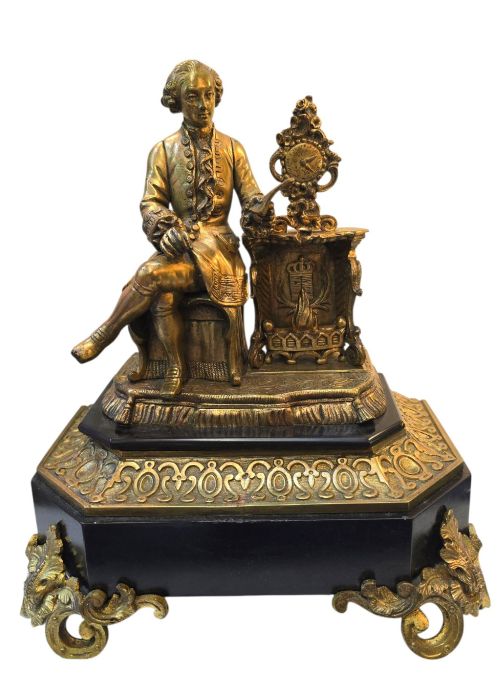
Italian and French workshops dominate the origin of these items, frequently pairing coloured marbles with cast bronze or ormolu mounts. The forms derive directly from archaeological excavations and classical Roman monuments encountered by travellers abroad. Most items function as decorative mantel or table objects rather than utilitarian vessels.
Materials and technique
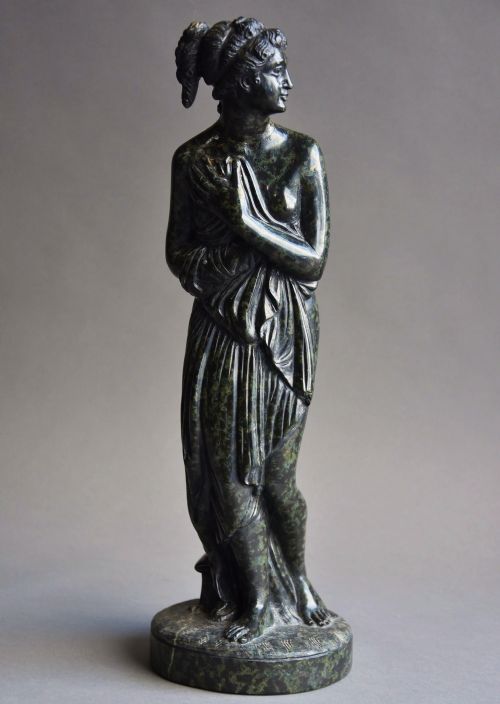
Maker workshops combined carved natural stones such as Siena, Rosso Antico, and serpentine marbles with detailed cast bronze and gilt bronze elements. Artisans turned columns, urns, and obelisks on lathes or shaped them by hand to achieve precise geometric and figural profiles. The stone surfaces received fine hand-polishing to reveal the natural grain and colour variations within the mineral.
Metal components were cast using traditional methods, then chased and gilded to provide contrast against the polished stone bases. Assemblages relied on threaded metal rods or pins running through the centre of the marble sections to secure the mixed media construction. The integration of stone and metal required precise fitting to maintain stability across complex architectural silhouettes.
Distinctions in craftsmanship
Superior examples demonstrate exceptional definition in the bronze chasing and precise geometry in the stone turning. The density and selection of the marble types, from rich Portasanta to deep green serpentine, dictate the visual depth of the object. Finer pieces show careful alignment between the metal mounts and the underlying stone plinths.
Lesser items rely on simpler casting with minimal hand-chasing on the bronze surfaces and standard commercial marble without distinctive figuring. The weight of the piece and the tightness of the structural joints indicate the level of care invested by the original workshop. Balance and proportion separate routine souvenir wares from substantial decorative statements.
Antonio Canova·Selim Bright·Gianni Versace
The Neoclassical Marble Ornaments Glossary
- Cassolette
- A decorative vessel featuring a reversible lid that transforms an urn into a burner or tazza. These objects combine turned marble bodies with cast ormolu mounts.
- Grand Tour
- A traditional journey through Europe undertaken by upper-class European young men of the eighteenth and nineteenth centuries. Souvenirs acquired on these trips included bronze sculptures and specimen marble models of antiquities.
- Ormolu
- Gilded bronze produced by applying a mercury and gold amalgam to a cast bronze object and heating it. This technique creates a durable golden finish common on neoclassical mounts.
- Obelisk
- A tall, four-sided, narrow tapering monument which ends in a pyramid-like shape at the top. Nineteenth-century examples utilise various decorative marbles as desk and mantel ornaments.
- Rosso Antico
- A deep red antique marble prized by neoclassical sculptors for its rich colour and uniform texture. It frequently appears in architectural obelisks and base plinths.
Neoclassical Marble Ornaments: Frequently Asked Questions
How were these ornaments used?
Historically, travellers displayed these items on mantelpieces, libraries, and central tables to signal cultural education and taste. They functioned purely as decorative focal points within domestic interiors.
Today, collectors use them in similar settings to add architectural structure and classical weight to traditional or modern rooms.
How do I care for marble and bronze?
Dust the surfaces regularly with a soft, dry cloth to prevent particulate buildup on the stone and metal. Avoid using harsh chemical cleaners or abrasive polishes that can damage the antique patination.
Keep the items away from direct heat sources and moisture fluctuations to protect the integrity of the stone and the internal metal fixings.
How can I tell the period?
Dating relies on examining the quality of the bronze casting, the tool marks left on the underside of the stone, and the specific marble varieties used. Nineteenth-century pieces often reflect archaeological discoveries of their time and specific Grand Tour manufacturing methods.
Comparing the style of the figures or architectural proportions to known period examples helps narrow down the decade of production.