

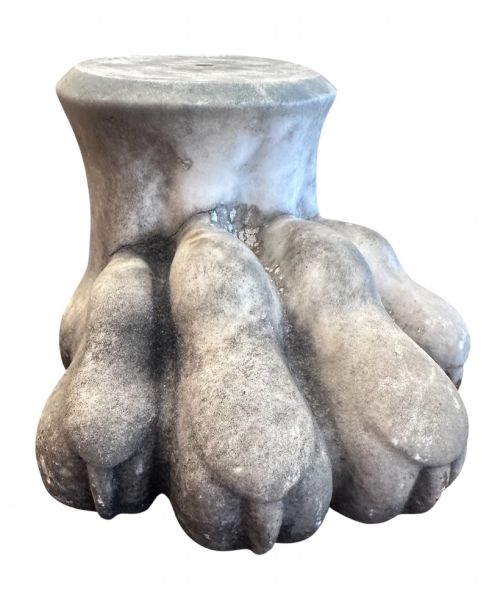


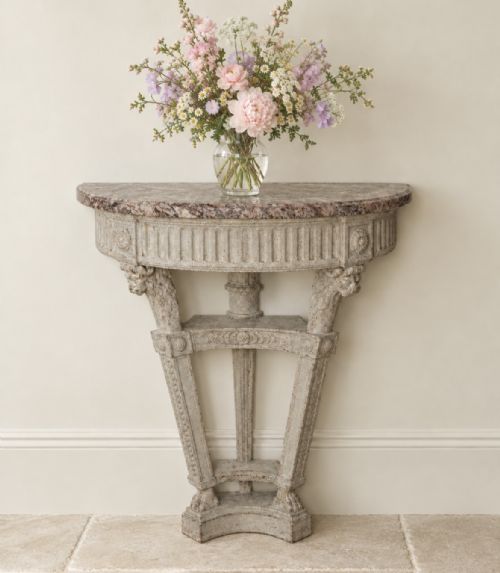


Neoclassical Marble Lion
A neoclassical marble lion brings the severe dignity and classical restraint of antiquity directly into a room.
Neoclassical Marble Lion
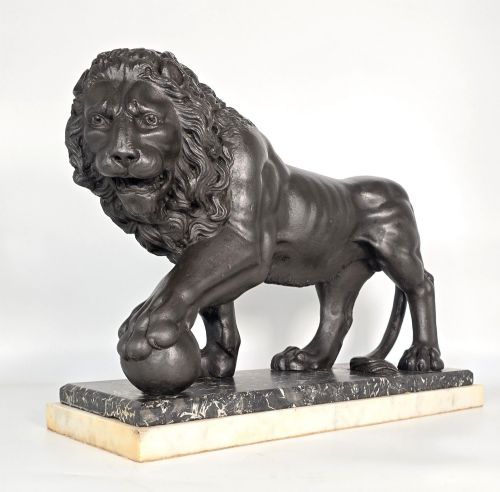
A neoclassical marble lion embodies the sculptural ambition of the Grand Tour and the enduring fascination with ancient Roman statuary. These pieces draw upon canonical prototypes such as the Medici and Capitoline lions, translated into domestic and garden ornaments through the nineteenth century.
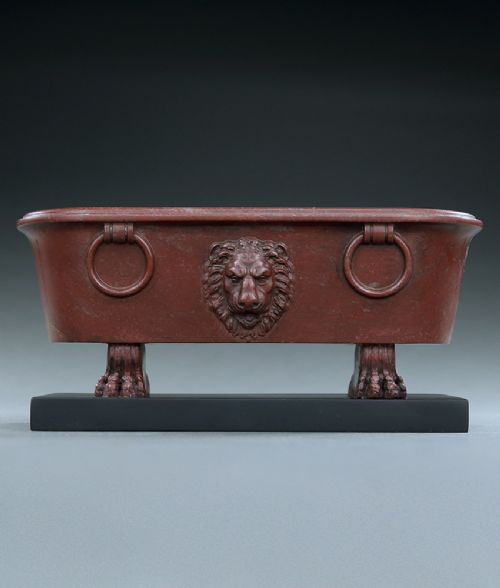
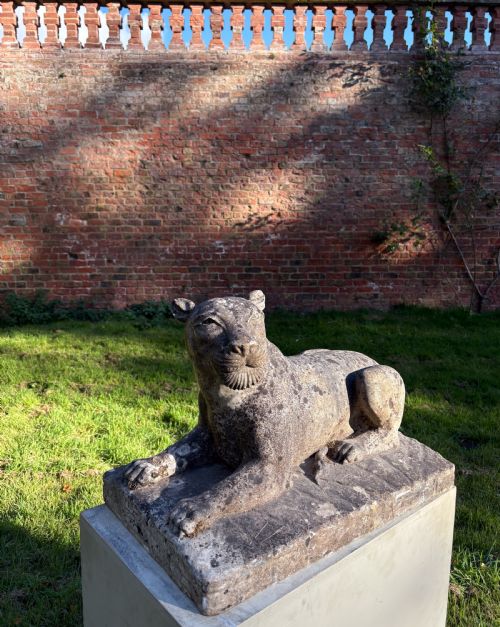
The versions most frequently met on this page span the nineteenth century, including Victorian interpretations and Grand Tour souvenirs carved in Italy. They appear as standalone sculptures on plinths, fountain heads, or architectural fragments carved from Carrara, Marmo Rosso, or serpentine marble.
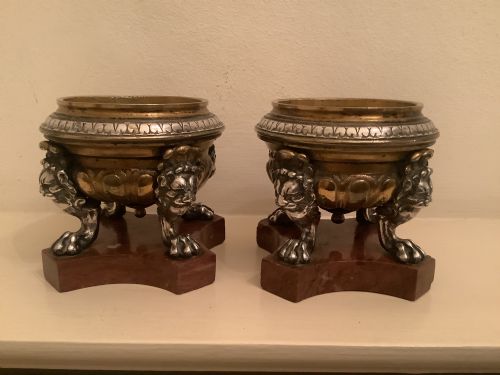
Makers and sculptors of the period rendered these beasts with watchful expressions and muscular forms, often pairing white or coloured marble with bronze, ormolu, or stone bases. Their presence bridges classical mythology with nineteenth-century revivalist interiors.
How they were made
Carvers shaped these figures from solid blocks of marble, alabaster, and stone using traditional chisels, rasps, and abrasive sands to achieve smooth muscular definitions. Artisans frequently combined white Carrara marble with contrasting coloured plinths of Sienna, Marmo Rosso, or serpentine.
Metal elements such as bronze and ormolu were cast, chased, and gilded to mount or frame the stone sculptures. Gesso and giltwood occasionally supplemented the primary materials in related furniture and decorative supports.
Neoclassical Marble Lion Retail Price Guide 2026
Typical asking prices for neoclassical marble lion among the pieces listed under this phrase on Sellingantiques today, from the lower quarter to the upper quarter. They describe what is for sale here now, not the wider market.
Listings feature materials spanning Carrara marble, Marmo Rosso, serpentine, alabaster, bronze, and ormolu across the nineteenth and early twentieth centuries.
What varies in quality
The refinement of the carving dictates the distinction between standard production and superior craftsmanship, visible in the treatment of musculature, fur, and facial expression. A more accomplished piece captures the tension and majesty of the prototype rather than merely outlining a generic silhouette.
The selection and treatment of the marble itself affect the merit of the object, particularly where contrasting coloured stones are matched with white statuary marble. Integrated bases and secondary mounts in bronze or ormolu display varying degrees of crispness in their chasing and gilding.
Jean Joseph Chapuis
The Neoclassical Marble Lion Glossary
- Grand Tour
- A nineteenth-century tradition where wealthy travellers journeyed through Europe, acquiring classical antiquities and high-quality marble sculptures as souvenirs. These pieces often reproduce famous Roman monuments and statuary.
- Capitoline Lion
- A specific sculptural prototype originating from the Capitoline Museums in Rome. This form is frequently replicated in nineteenth-century marble and bronze.
- Carrara Marble
- A type of white or blue-grey marble quarried in the city of Carrara in the north of Tuscany. It was the favoured stone of classical sculptors and nineteenth-century revivalists.
- Serpentine
- A dark green mineral rock often used as a decorative marble substitute in classical and revivalist carving. Its mottled surface resembles the skin of a serpent.
Neoclassical Marble Lion: Frequently Asked Questions
What is a neoclassical marble lion?
A neoclassical marble lion is a nineteenth-century sculpture inspired by ancient Roman prototypes, often acquired during the Grand Tour.
These pieces range from small decorative figures on marble plinths to fountain heads and architectural fragments.
Where were these marble lions made?
Many of these sculptures were carved in Italian workshops catering to travellers undertaking the Grand Tour in the nineteenth century.
Others were produced in French and British studios influenced by neoclassical revival styles.
How do I style a marble lion at home?
These sculptures suit placement on console tables, desks, or mantelpieces where their classical lines provide a focal point.
Larger garden statues and architectural elements integrate well into garden rooms or entrance halls.
How can I tell the age of a marble lion?
Dating relies on examining the tool marks, the weathering of the marble, and the composition of the plinth or base materials.
Nineteenth-century pieces often exhibit the specific patination and quarry marks associated with Victorian and Grand Tour production.