



Neoclassical Jewellery
Neoclassical jewellery captures the classical world in miniature, bringing ancient cameos, intaglios and carved hardstones into wearable gold and silver.
Neoclassical Jewellery
When you search for neoclassical jewellery, you encounter pieces that translate antique motifs and archaeological finds into personal adornment. These range from intaglio rings and carved shell cameo brooches to fob pendants and sentimental love tokens.
The objects on this page span several periods, drawing heavily on Georgian and Victorian revivals. You will frequently find gold rings set with carnelian or agate intaglios alongside later nineteenth-century interpretations and twentieth-century Wedgwood pieces.
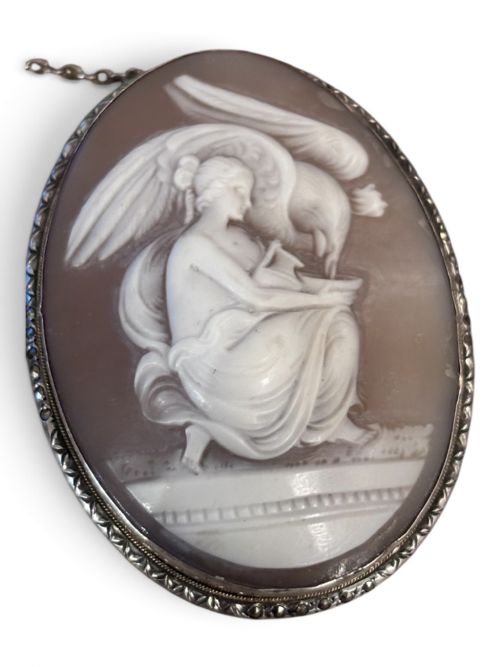
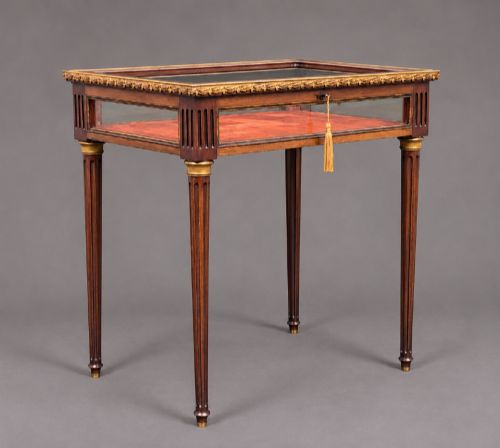
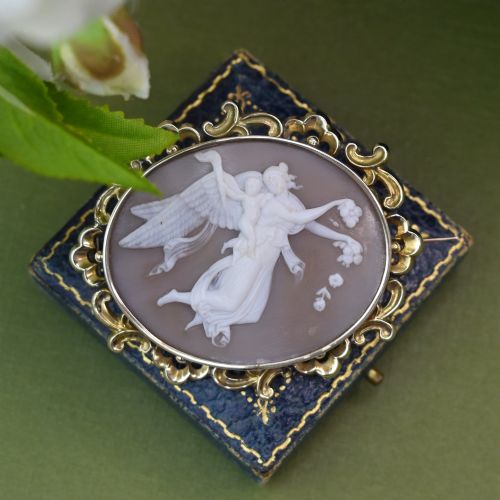
Forms are varied, encompassing brooches depicting classical figures like the goddess Aurora, alongside desk and display items associated with the collector's cabinet. Each piece reflects an enduring fascination with Greek and Roman antiquity.
Materials and Technique
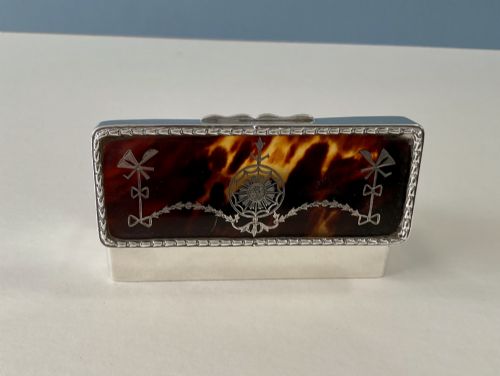
Gold and silver provide the primary settings for these pieces, framing carved hardstones, glass and shell. Yellow gold securely holds intaglios and cameos, while silver appears in structural mounts and trinket boxes.
Craftsmen utilised fine carving techniques to render classical figures in carnelian, agate and shell with high precision. Jasperware medallions and miniature paintings demonstrate the integration of ceramics and fine art into decorative metalwork.
Neoclassical Jewellery Retail Price Guide 2026
Typical asking prices for neoclassical jewellery among the pieces listed under this phrase on Sellingantiques today, from the lower quarter to the upper quarter. They describe what is for sale here now, not the wider market.
Even the goddess Aurora needed a ride, as captured in a shell cameo brooch depicting her driving a chariot.
What Separates the Best from the Rest
Quality in these pieces rests upon the crispness of the carving and the depth of the intaglio design. A sharply detailed classical profile cut into carnelian or agate stands far above a softer, shallower impression.
The material integrity of the setting matters equally, from solid gold mounts to the precision of the stone's bezel fit. Finer examples display meticulous attention to proportion and mounting that elevates a small carved stone into a substantial work of art.
Wedgwood·Posen
The Neoclassical Jewellery Glossary
- Intaglio
- A gem or stone carved so that the design sinks below the surface, traditionally used as a seal. These form the decorative centrepiece of many rings and fobs.
- Cameo
- A method of carving an object such as a shell or stone where the design is raised in relief against a contrasting background. These frequently depict mythological figures and classical deities.
- Jasperware
- A type of fine stoneware developed by Wedgwood, typically featuring white classical reliefs applied against a coloured background. It appears across brooches, plaques and trinket boxes.
- Fob
- A small medallion or seal attached to a pocket watch ribbon. In this category, they often feature carved hardstone intaglios.
- Hardstone
- Semiprecious stones such as carnelian, agate and sardonyx used for carving cameos and intaglios. Their varied layers allow carvers to create distinct colour contrasts.
Neoclassical Jewellery: Frequently Asked Questions
How do I date a cameo brooch?
Dating a cameo brooch involves examining the subject matter, the carving style, and the metal mount.
Georgian and Victorian examples often display hand-carved shell or stone with closed-back gold settings, reflecting the era's revival of classical aesthetics.
What is Jasperware?
Jasperware is a durable fine stoneware developed in the eighteenth century, known for its matte finish and contrasting white reliefs.
Pieces in this category typically feature classical portrait medallions and decorative scenes set against dark blue backgrounds.
How were fob pendants worn?
Fob pendants were originally suspended from short ribbons or chains attached to pocket watches.
Today, they are frequently worn as standalone pendants on necklaces, displaying carved hardstone seals and classical figures.