


Neoclassical Glass Pair
These neoclassical glass pair selections combine classical motifs with refined materials, offering balanced symmetry for sophisticated interior spaces.
Neoclassical Glass Pair
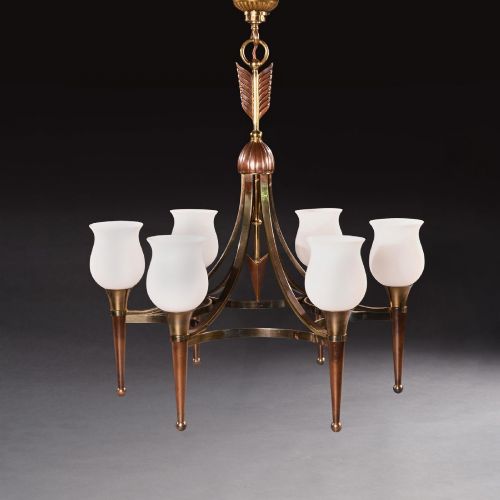
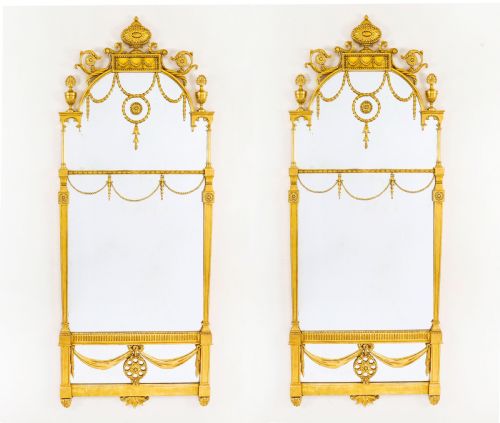
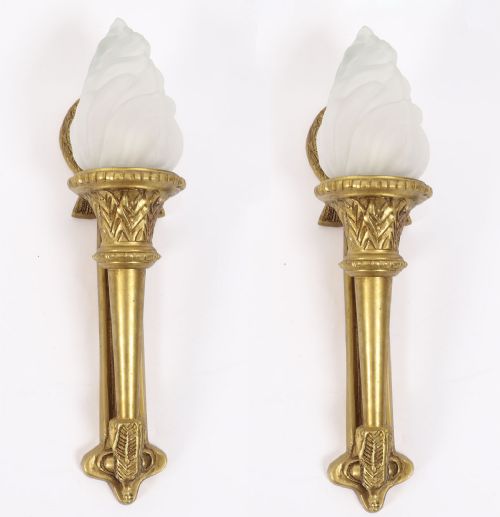
A neoclassical glass pair brings symmetrical balance and classical motifs to interior spaces, uniting transparent or frosted glass with supportive metal frameworks. When searching for a neoclassical glass pair, buyers frequently encounter functional items such as wall lights, table lamps, and lanterns rather than standalone decorative objects. These matched items reflect design influences spanning the eighteenth century through the mid-century modern era, including Adam revival and French neoclassical interpretations.
The objects appearing under this search span diverse forms, from wall sconces and chandeliers to table lamps and mirrors incorporating glass elements. Pieces range in date from the eighteenth century to the mid-twentieth century, showing sustained interest in classical proportions and balanced arrangements. Surviving examples demonstrate how makers combined glass with ormolu, brass, and bronze to create harmonious twin compositions for domestic interiors.
Materials and construction methods
Makers constructed these matched sets using combinations of glass, brass, ormolu, and bronze, often integrating frosted or crystal elements into the design. Metal components were cast, chased, or gilt to provide structural support and decorative framing for the glass panels, drops, or shades. Surface decoration involved etching and engraving upon the glass, alongside enamel painting on opaline surfaces to render classical scenes and motifs.
Wooden elements such as giltwood, mahogany, and gesso occasionally appear alongside the primary metal and glass components, particularly in larger mirror and cabinet forms. Joinery and metal assembly techniques followed traditional workshop practices of their respective periods, from the eighteenth century to the mid-twentieth century. The integration of mirror glass and white glass allowed makers to manipulate light within rooms while maintaining strict symmetrical pairings.
Materials documented across these objects include brass, ormolu, bronze, crystal, opaline glass, and mahogany.
Factors separating standard examples from the finest work
Quality in these matched pairs rests upon the crispness of metal casting and the depth of hand-engraving or etching on the glass components. Superior examples display refined chasing on ormolu or bronze mounts, where botanical and classical details remain sharp and well-defined. The weight and clarity of the glass, whether crystal, opaline, or frosted, further distinguish finer workshop output from more utilitarian production.
The integrity of the matching pair depends on the original consistency of dimensions, gilding, and decorative details between both objects. Workshop attribution and signatures, such as those found on nineteenth-century glass vases or documented cabinet makers, elevate the standing of a pair. Preservation of original surface finishes, from fire gilding to early patination on brass and bronze, indicates careful ownership and authentic period condition.
Maison Jansen·Andre Arbus·Richardson·C Hindley and Sons
The Neoclassical Glass Pair Glossary
- Ormolu
- A gilded bronze or brass mount used extensively for decorative trim and structural details on furniture and lighting. This technique involved applying a finely ground gold-mercury amalgam to bronze before heating.
- Opaline glass
- An opaque, slightly translucent glass that often exhibits pastel shades and white coloration. It served as a popular canvas for enamel-painted classical scenes during the nineteenth century.
- Girandole
- A decorative wall-mounted bracket or mirror fitted with branches for holding candles. These fixtures used mirrored glass plates to reflect and amplify candle flame illumination.
- Adam style
- An eighteenth-century neoclassical design movement inspired by ancient Roman architecture. It prioritises symmetry, delicate proportions, and classical motifs such as urns, husks, and fluting.
- Corinthian column
- A classical architectural order featuring an ornate capital decorated with acanthus leaves. This motif frequently recurred on the shafts of nineteenth-century table lamps and torchières.
Neoclassical Glass Pair: Frequently Asked Questions
What defines neoclassical design?
Neoclassical design draws directly upon the architectural vocabulary of ancient Greece and Rome, emphasising symmetry, proportion, and restrained ornamentation. It incorporates motifs such as columns, urns, swags, and classical figures into everyday furnishings and decorative objects.
This aesthetic experienced several revivals, notably during the eighteenth-century Adam period and again in the late nineteenth and early twentieth centuries.
How do I care for antique glass?
Antique glass requires gentle cleaning with soft cloths and mild, non-abrasive solutions to preserve etched and engraved surface details. Avoid harsh chemical cleaners that might damage nineteenth-century enamel painting or twentieth-century frosted finishes.
Metal components such as brass, bronze, and ormolu should be kept free of moisture and polished sparingly to maintain their natural patination.
How can I date these items?
Dating relies on examining the combination of materials, construction methods, and stylistic revival periods represented in the piece. Eighteenth-century examples display different joinery and hand-working signs compared to Edwardian or mid-century modern revivals.
Makers' signatures, stamps, and documented workshop designs also help establish the exact era of manufacture.