
Neoclassical Column Light
A neoclassical column light brings architectural symmetry and formal dignity to a room, channelling classical antiquity through the proportions of brass, bronze, and marble.
Neoclassical Column Light
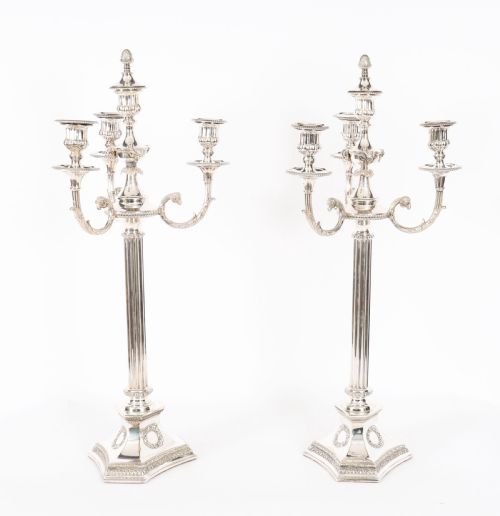
A neoclassical column light takes the structural vocabulary of ancient Greek and Roman architecture and translates it into lighting and candlesticks. These pieces span table lamps, standard lamps, torcheres, and candelabra, translating monumental stone orders into domestic scale.
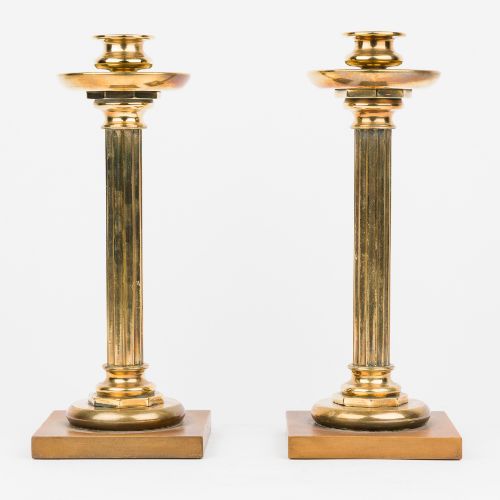
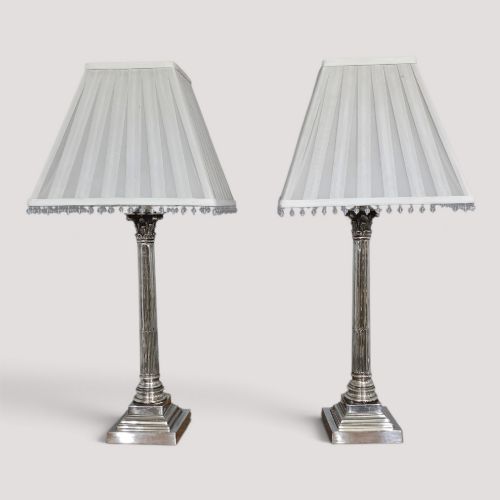
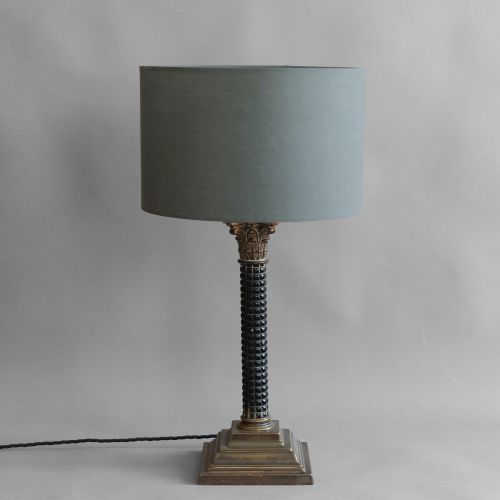
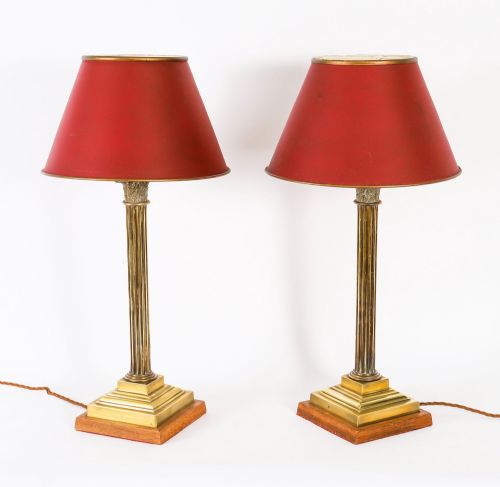
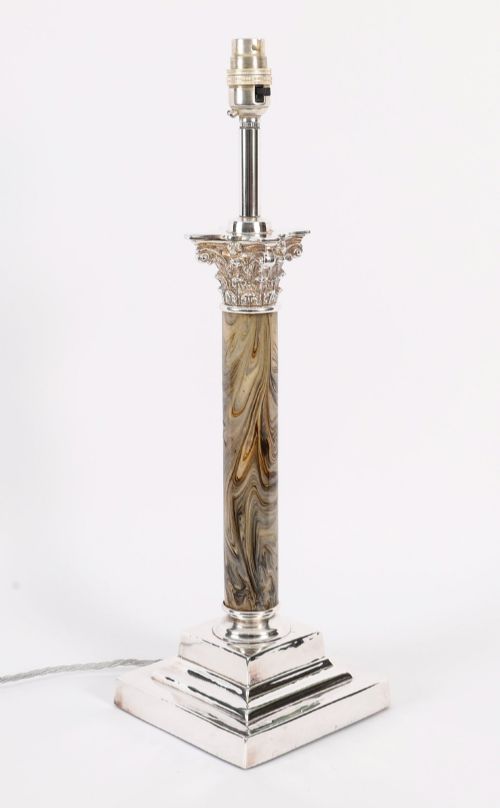
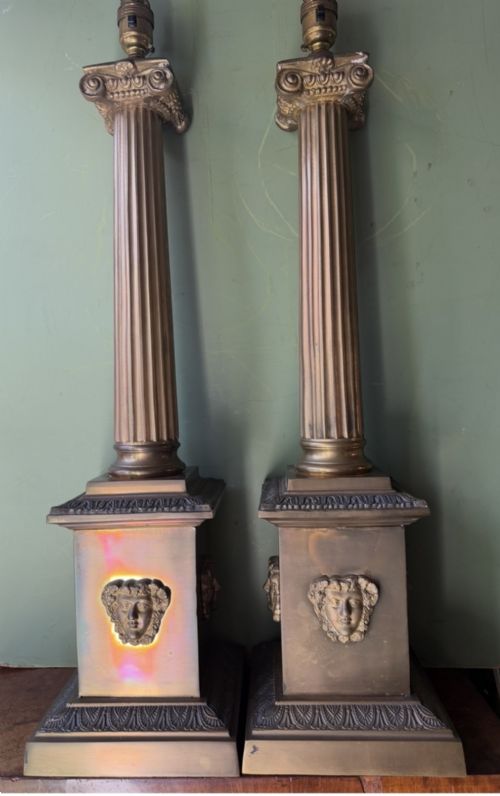
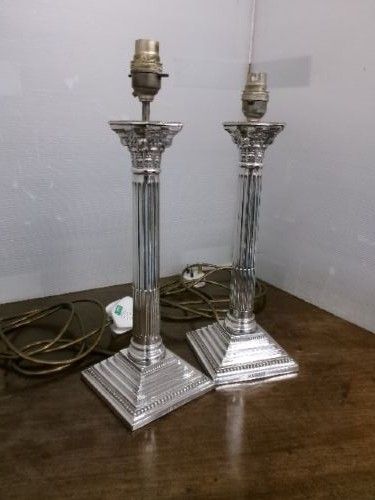
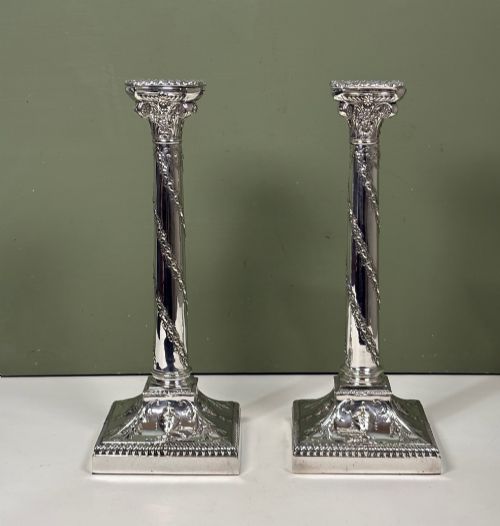
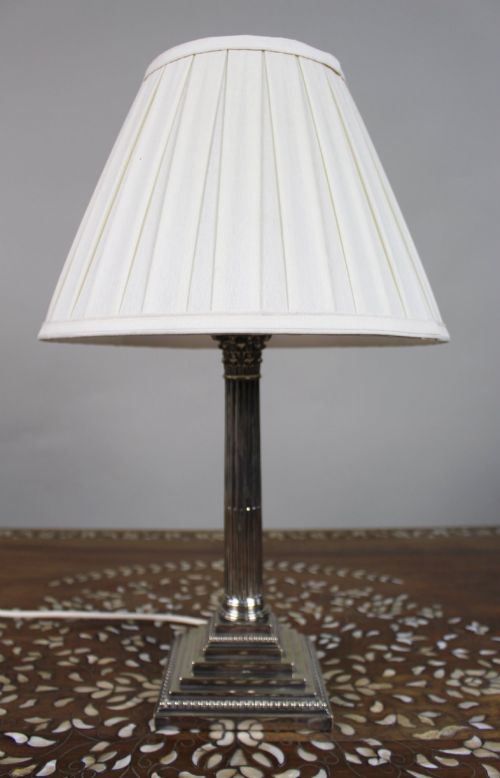
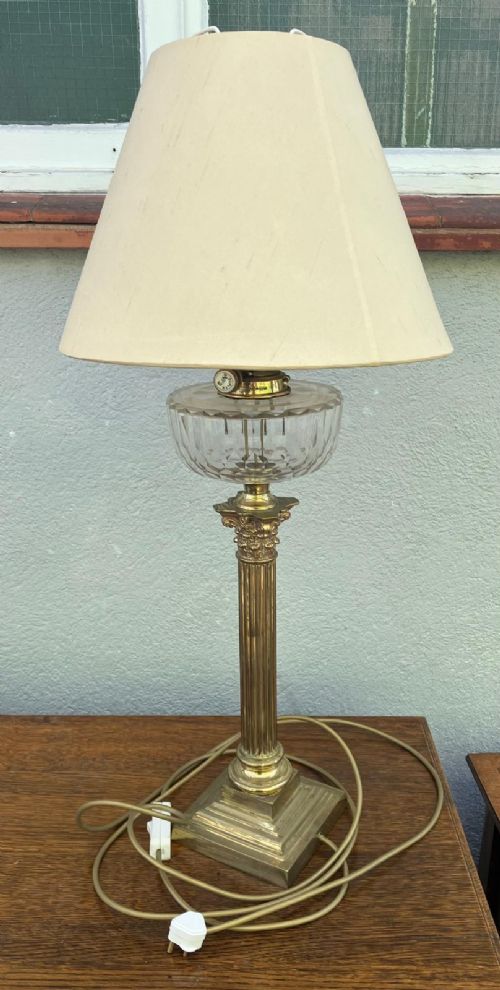
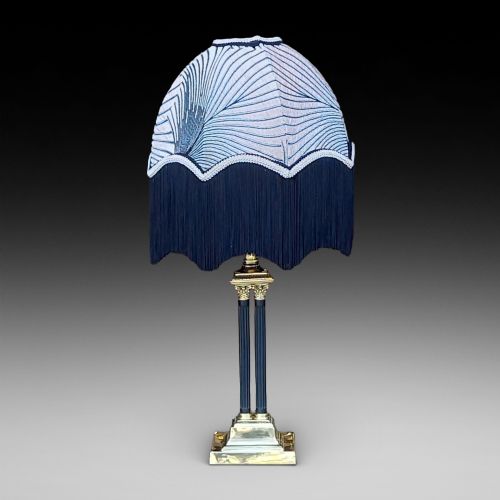
The dominant forms on this page are table lamps and candlesticks configured as classical columns. Brass and silver-plated Corinthian column lamps appear frequently alongside marble bases and French empire designs featuring ormolu and ionic capitals.
Originating largely from the nineteenth century, Victorian, and Edwardian periods, these items draw on Georgian and French neoclassical revivals. They bridge the gap between utilitarian lighting and sculptural decorative arts.
Materials and construction
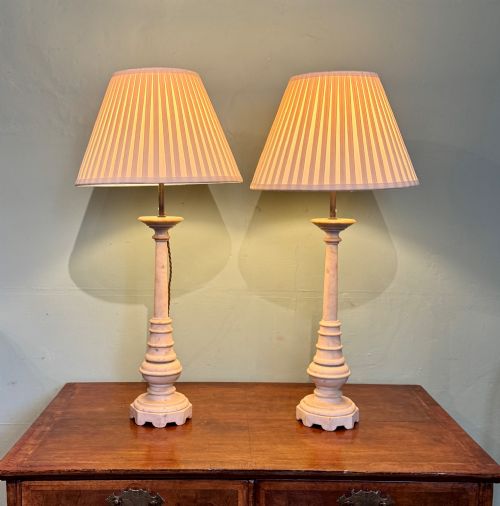
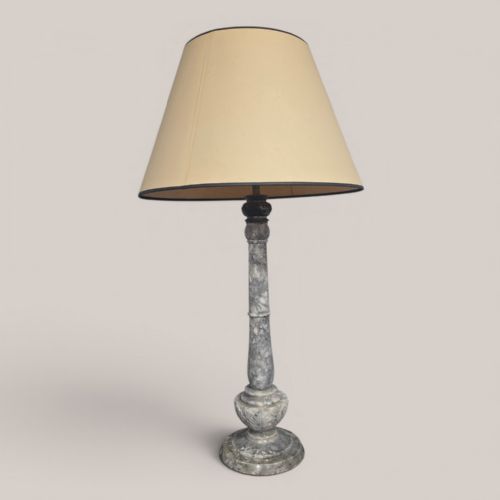
Metals form the structural core of these pieces, utilising cast and turned brass, silver plate, ormolu, and bronze. Founders combined these metallic elements with natural materials such as white marble, alabaster, and oak to provide weight and colour contrast at the base.
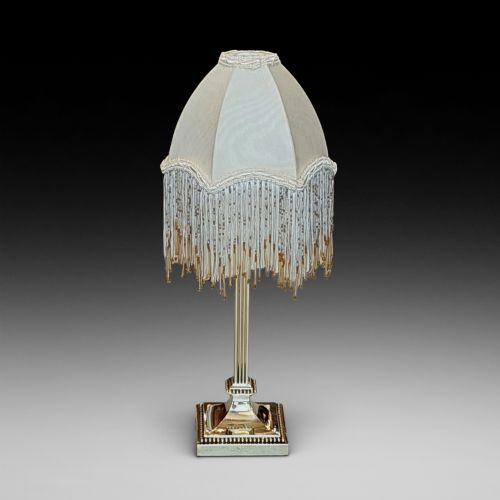
Surface treatments rely on traditional plating and gilding techniques to achieve a polished or patinated finish over the underlying metal. Fabric elements like silk enter the construction as shades complementing the rigid geometry of the columns.
Several heavy metal columns stand upon tiny cast lion paw feet, letting stiff classical architecture walk away.
Distinctions in quality
Quality rests in the crispness of the column capitals and the weight of the materials. Finely chased acanthus leaves on a Corinthian capital and substantial cast brass or bronze indicate superior craftsmanship compared to lighter, pressed metal alternatives.
Proportion and material integration define the better examples. The seamless union of turned marble shafts with detailed metal mounts or lion paw feet separates standard production pieces from finer sculptural works.
Wedgwood·J. Miller
The Neoclassical Column Light Glossary
- Corinthian
- An order of classical architecture characterised by slender fluted columns and elaborate capitals decorated with acanthus leaves. This motif appears frequently on nineteenth-century metal lamp bases.
- Ormolu
- Gilded bronze produced by applying a mixture of gold and mercury to a bronze base. It provides a warm, reflective surface finish seen on French neoclassical designs.
- Torchere
- A tall ornamental stand or floor lamp designed to hold a light source. These pieces elevate the column form to standard lamp heights.
- Ionic
- A classical architectural order distinguished by scroll-shaped ornaments known as volutes on the capital. Lamps utilising this capital offer a distinct alternative to the leaf-heavy Corinthian style.
- Old Sheffield Plate
- A composite material made by fusing a thin sheet of silver to a thicker copper base. It is found on eighteenth and nineteenth-century candlesticks and lighting.
Neoclassical Column Light: Frequently Asked Questions
What periods do these lamps date from?
The selection spans the eighteenth, nineteenth, and early twentieth centuries, encompassing Georgian, Victorian, and Edwardian eras. Many pieces reflect later revivals of classical design.
Craftsmen produced these lighting fixtures across English, French, and Italian workshops, employing traditional metalworking and stone-turning methods appropriate to each decade.
How do I identify a Corinthian column lamp?
Look at the top of the column shaft for a capital decorated with carved or cast acanthus leaves. This specific architectural order defines the majority of the metal table lamps.
These columns often feature fluted shafts rising from stepped square bases, occasionally supported by brass feet or mounted on marble plinths.
Were these originally made as electric lamps?
Many examples began life as oil lamps or candlesticks before conversion to electricity in later periods. Standard lamps and torcheres often retain traces of their initial mechanical functions.
Original wiring is rarely present; most pieces require professional rewiring to meet modern safety standards while preserving the antique metal or marble body.
How do I style a column lamp at home?
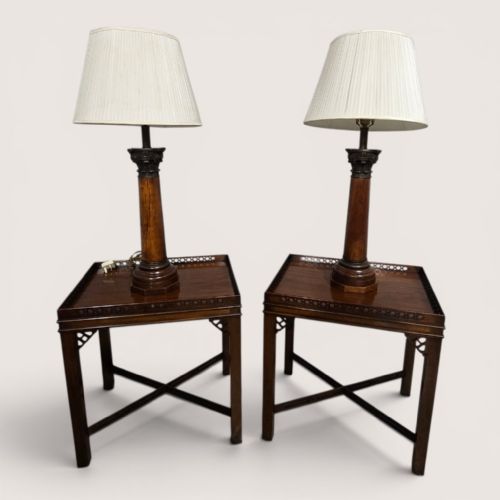
Place these lamps on side tables, desks, or mantelpieces where their vertical symmetry can anchor a room's composition. Their metallic and stone surfaces pair well with traditional and contemporary interiors.
Choosing a simple silk or fabric shade lets the architectural detail of the brass or marble column remain the visual focal point.