




Victorian Mahogany Desk Lamp
These victorian mahogany desk lamp pieces combine rich nineteenth-century timbers with brass and marble details to anchor a traditional study.
Victorian Mahogany Desk Lamp
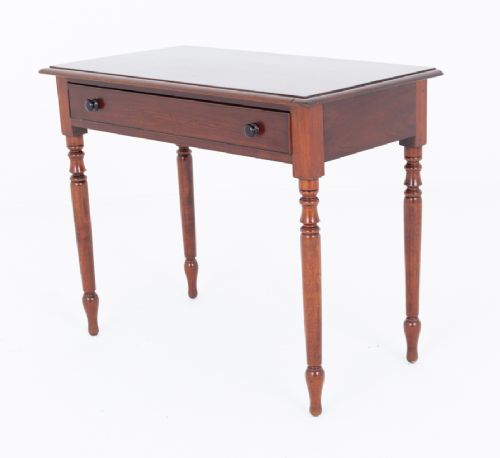
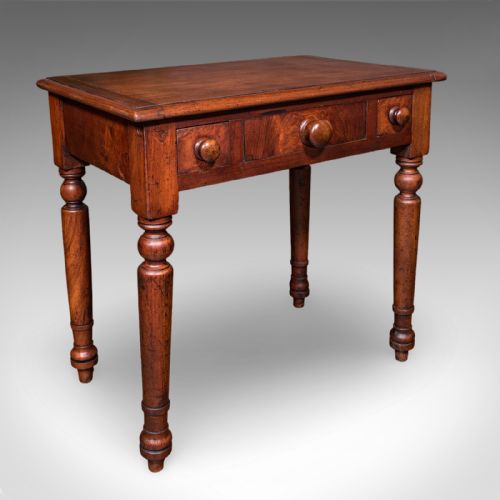
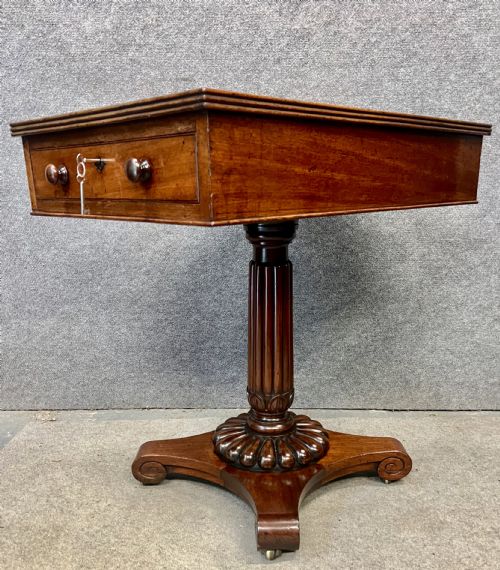
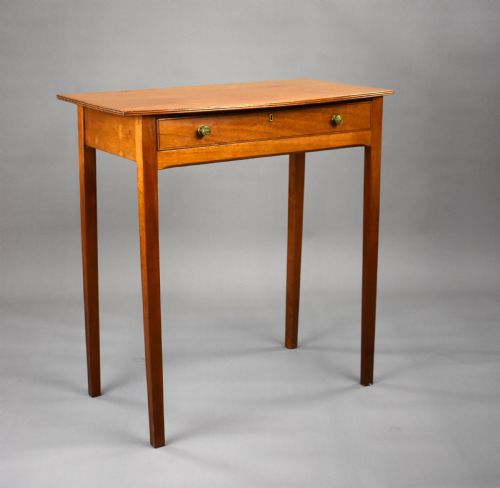
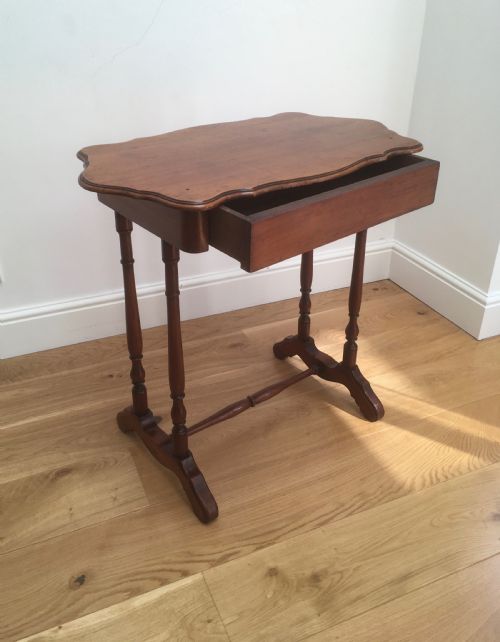
When buyers search for a victorian mahogany desk lamp, they typically encounter compact side tables, work tables, and occasional tables that serve as functional surfaces for lighting and writing. The selection spans the nineteenth century, including Georgian and William IV pieces alongside Victorian and later nineteenth-century examples.
The forms vary from simple single-drawer side tables to kidney-shaped inlaid tables and occasional wine writing tables. While dedicated table lamps appear in pairs or with bronze eagle pillars, most lighting pieces utilise mahogany side tables adapted for illumination.
Origins are rooted in English workshop traditions of the 1860s through to the 1890s, using dense timber well-suited to holding heavy desk lamps and scholar's requisites.
How they were made
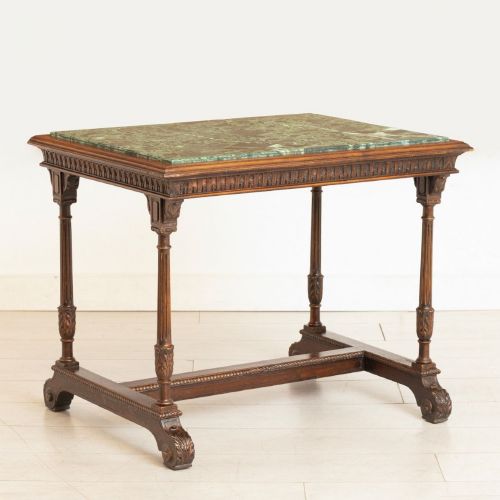
Makers built these tables primarily from solid and veneered mahogany, frequently incorporating brass fittings, Italian marble tops, and contrasting stringing of boxwood and satinwood inlay. The structural joinery relies on traditional drawer construction and turned wooden columns.
Surface decoration ranges from simple polished mahogany finishes to marquetry inlay and bronze pillar mounts, reflecting the stylistic shifts from Georgian restraint to late Victorian elaboration.
Some tables served industrious scholars by day and quiet wine-drinking by night, multitasking long before modern ergonomics arrived.
What varies in quality
The distinction between standard utility furniture and finer pieces rests on the selection of timber and the crispness of the inlay work. Finer examples feature figured mahogany grain, intricate satinwood inlay, and substantial Italian marble inserts rather than plain wooden tops.
Construction details such as dovetailed drawer linings and well-matched turning on columns separate standard workshop output from higher-status pieces produced by prominent cabinet makers.
Holland and Sons
The Victorian Mahogany Desk Lamp Glossary
- Mahogany
- A durable tropical hardwood prized for its deep reddish-brown colour and stable grain. It forms the primary structural material across nearly all pieces on this page.
- Satinwood inlay
- A pale decorative wood inserted into contrasting darker mahogany surfaces in geometric or floral patterns. This technique highlights the refined detailing of late nineteenth-century tables.
- Italian marble
- A smooth, veined stone slab inset into the top of certain tables to provide a durable, heat-resistant surface. It frequently appears on mid-nineteenth-century side tables.
- Kidney-shaped table
- A curved writing or occasional table designed to wrap partially around the user. These pieces often feature marquetry inlay and delicate proportions.
Victorian Mahogany Desk Lamp: Frequently Asked Questions
What is a Victorian mahogany side table?
A Victorian mahogany side table is a compact nineteenth-century wooden furniture piece featuring one or two drawers and a sturdy top. These tables were originally designed for domestic utility in hallways, studies, or drawing rooms.
Today, their height and stable surface make them ideal platforms for desk lamps, reading lights, and writing materials alongside armchairs or sofas.
How do I spot a Georgian table?
Georgian tables are generally characterised by simpler, more restrained lines and earlier timber patination compared to later Victorian pieces. They often rely on clean geometric forms without heavy ornamentation.
Examine the drawer construction and leg proportions to identify the earlier Georgian or William IV design traits present in the piece.
Can I use an antique table for a lamp?
Antique mahogany tables provide a stable and appropriately proportioned surface for traditional desk lamps and reading lights. Their original use as work tables and side stands suits modern lighting placement.
Ensure the surface dimensions accommodate your lamp base safely and protect the polished timber from direct heat or moisture.
What does marquetry inlay mean?
Marquetry inlay involves fitting thin pieces of contrasting decorative woods, such as satinwood and boxwood, into recessed sections of the mahogany surface. This creates detailed pictorial or geometric patterns.
This painstaking decorative technique indicates a higher grade of craftsmanship found on late nineteenth-century occasional and writing tables.